Status AI Secures $17M to Pivot Social Media from Passive Feeds to Generative Roleplay
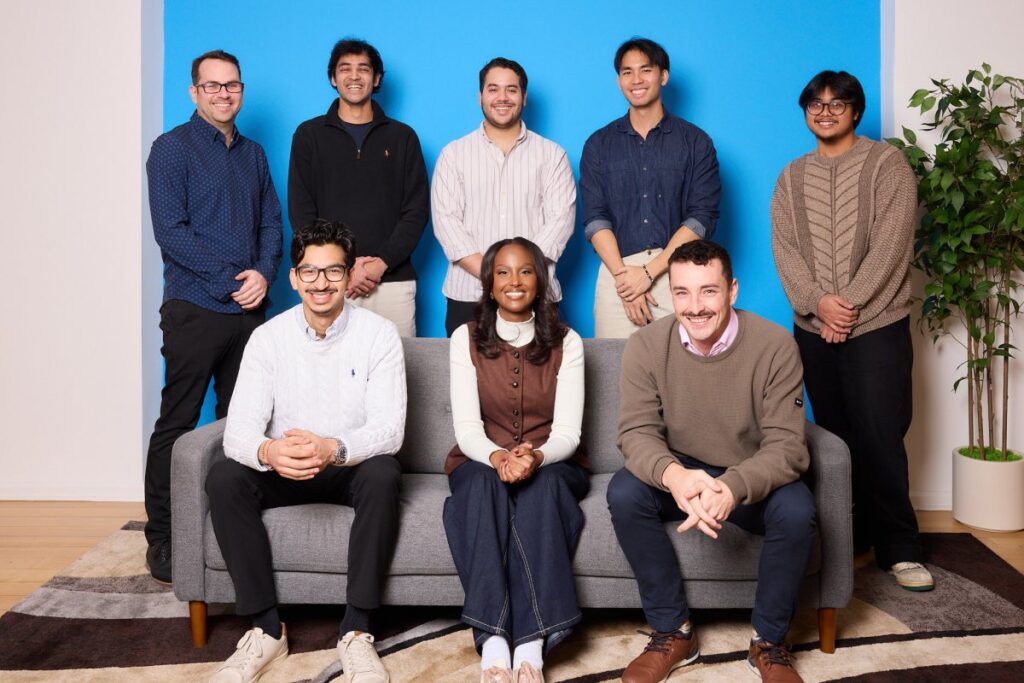
Table of Contents
Moving Beyond the Infinite Scroll
For the better part of two decades, the dominant paradigm of social media has been the feed—a vertical stream of curated content designed for passive consumption. But Status AI is betting that the next generation of internet users is tired of watching other people’s lives and would rather simulate their own. The startup announced Tuesday that it has raised $17 million in combined seed and Series A funding, marking a significant bet on the intersection of generative AI and interactive entertainment.
The funding round includes a heavy-hitting roster of investors: General Catalyst, Union Square Ventures, Abstract, Y Combinator, and LightShed Partners. This capital injection arrives as the industry grapples with “AI fatigue” and the realization that simple chatbot interfaces—the hallmark of early AI social apps like Character.AI and Chai—may lack the structural depth required to maintain long-term user retention.
The Architecture of a Simulated World
Founded by Fai Nur, Amit Bhatnagar, and Pritesh Kadiwala, Status AI isn’t positioning itself as a messaging app or a traditional network. Instead, it is a gamified environment where AI doesn’t just answer questions, but constructs worlds. Users craft a persona and are dropped into a social ecosystem where the narrative evolves based on their interactions. Whether a user wants to simulate a run for the presidency, enter the world of a favorite novel, or experiment with viral celebrity culture, the AI generates the surrounding cast and consequences in real-time.
Unlike static roleplay forums of the past, Status allows for both single-player immersion and multiplayer connectivity. The platform’s growth metrics suggest a strong appetite for this shift; Nur reports that users have already created more than 13 million unique worlds and 5 million character profiles. Notably, the early adopter base is skewed toward young women—a demographic that historically serves as a bellwether for cultural shifts in social platform adoption.
The IP Play and Studio Interest
The implications of Status AI extend beyond casual gaming. The company is already fielding interest from film studios and streamers who view the platform as a new frontier for intellectual property (IP) extension. In the traditional model, a fan watches a series and then discusses it on X or Reddit. In the Status model, a studio could theoretically launch an official “world” where fans inhabit the story, interacting with AI versions of characters and influencing the narrative trajectory.
Rich Greenfield, a partner at LightShed and investor in the round, suggests that media companies are currently desperate for ways to keep consumers embedded in their franchises. By turning a story into a living environment, Status provides a bridge between passive viewership and active participation.
A Shift Toward Niche Fandoms
This move aligns with a broader trend toward “fragmented social,” where the era of the monolithic town square is giving way to hyper-specific, intimacy-driven communities. As Natalie Dillon of Maveron has noted, the next winners in consumer social will likely be platforms that blend creativity and utility into multiplayer environments rather than traditional networks.
Status is attempting to solve the “brand safety’ problem that often plagues open-ended AI generators, building a system that is dynamic yet controlled. By shifting the focus from a generalized AI assistant to a structured entertainment experience, Status is attempting to move AI social out of the “novelty” phase and into a scalable business model centered on engagement and digital identity.
The fresh capital will be used to scale the platform’s infrastructure, as the computational cost of maintaining millions of concurrent, generative worlds remains a significant technical hurdle for the company as it moves out of stealth and into the mainstream.