Standoff in the Strait: Trump and Tehran Clash Over ‘Excessive’ Terms in Fragile Ceasefire Deal
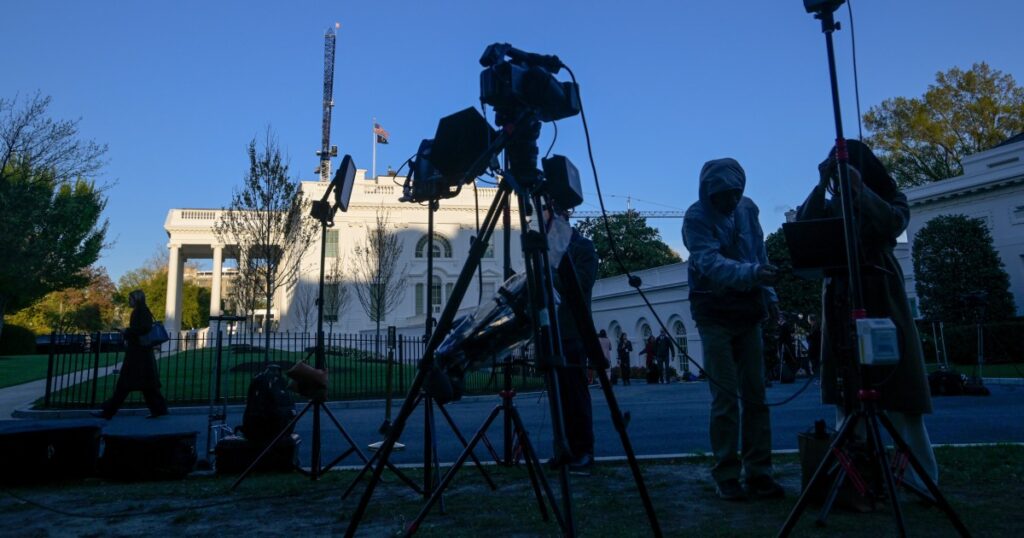
Table of Contents
The Situation Room Silence
Following a high-stakes two-hour meeting in the Situation Room on Friday, President Donald Trump has yet to sign off on a deal that would extend the current, precarious ceasefire with Iran. Despite indications from U.S. and Arab mediators that an agreement was imminent, the White House ended the session without an announcement, leaving the geopolitical status of the Middle East in a state of suspended animation.
The delay comes after a week of mixed signals. Secretary of State Marco Rubio had previously suggested that “good news” was hours away, only for the President to push back, stating he would not “rush into” a deal that doesn’t meet specific, stringent criteria. At the heart of the current impasse is a set of non-negotiable demands from Washington: a permanent guarantee that Iran will never possess a nuclear weapon, the immediate reopening of the Strait of Hormuz for unrestricted two-way shipping, and the verified destruction of all naval mines in the waterway.
A ‘Game of Chicken’ in Doha
The disconnect between official White House rhetoric and the reality on the ground is stark. A senior Arab official involved in the mediation process told NBC News that the terms of the truce were essentially settled in Doha three days prior. Describing the current stalemate as a “game of chicken and egg,” the official noted that while negotiators had reached a consensus, the political leadership on both sides is now hesitating to finalize the paperwork.
In Tehran, the reaction has been one of open hostility. Mohsen Rezaei, a senior official and former commander of the Islamic Revolutionary Guard Corps (IRGC), accused the U.S. administration of “betraying diplomacy” for a third time. According to reports from the semiofficial Mehr News agency, Rezaei characterized the U.S. demands as “excessive” and argued that the continued naval blockade proves the White House is pursuing objectives beyond a simple peace agreement.
The Nuclear Red Line and Military Readiness
The tension is further amplified by the rhetoric emanating from the Pentagon. Speaking at the Shangri-La Dialogue in Singapore, Defense Secretary Pete Hegseth reinforced the administration’s hardline stance, emphasizing that the primary objective remains the total prevention of an Iranian nuclear capability. While Hegseth maintained that “any deal with Iran would be a good deal,” he simultaneously issued a veiled warning that the U.S. is prepared to resume kinetic operations if diplomacy fails.
“Our stockpiles are more than suited for that, both there and around the globe,” Hegseth stated, signaling that the U.S. military is positioned for a return to escalation should the 60-day discussion window—currently being reviewed by the White House—fail to materialize.
Market Volatility and the Hormuz Choke Point
While diplomats struggle with the text of the agreement, global energy markets are reacting to the uncertainty. Brent crude, the global benchmark, dipped 1.8% on Friday to approximately $92 a barrel. This follows a broader 20% decline in May, as traders bet on a resolution to the blockade of the Strait of Hormuz.
The strategic importance of this waterway cannot be overstated; before the current blockade, roughly 20% of the world’s oil passed through the strait. The three-month conflict and the subsequent closure of this corridor have sent energy prices soaring, making the finalization of this deal not just a matter of regional security, but a critical driver for global economic stability.
As of Friday evening, Iranian Foreign Ministry spokesperson Esmail Baghaei confirmed that a final understanding has not been reached, noting that the current focus remains on ending the active war rather than the granular details of nuclear restrictions. With the ceasefire remaining shaky and mutual accusations of breaches continuing, the window for a diplomatic breakthrough is narrowing.