Spotify Launches ‘Reserved’ Tickets: A Data-Driven War Against Concert Scalpers
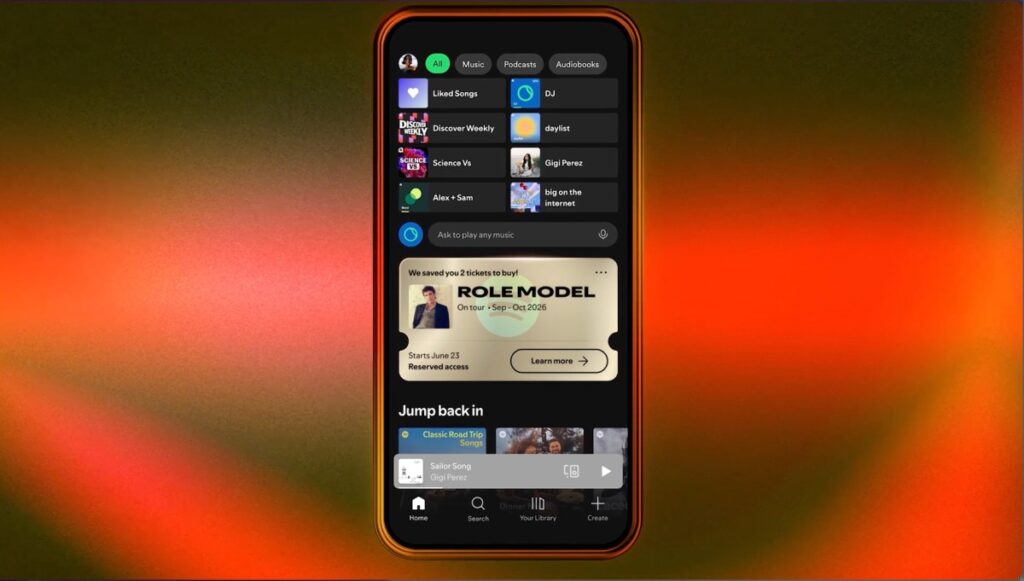
Table of Contents
The Battle for the Front Row: Spotify’s Direct Strike on Scalping
For years, the experience of buying concert tickets has devolved into a digital lottery dominated by sophisticated bots and predatory scalpers. From Taylor Swift’s Eras Tour collapse to the ongoing frustration with Ticketmaster’s queue systems, the gap between a “real fan” and a professional reseller has widened. Spotify is attempting to bridge that gap with the official launch of Reserved by Spotify.
Announced this Thursday, the system moves Spotify from a passive streaming utility to an active gatekeeper of live experiences. Rather than relying on the traditional “presale code”—which are often leaked or bought in bulk—Reserved by Spotify identifies a user’s genuine affinity for an artist through behavioral data and holds two tickets specifically for them before the general public can even enter the queue.
- Direct Access: Eligible fans get two tickets held for a limited window.
- Bot Mitigation: Access is based on organic streaming patterns, not speed or software.
- Strategic Partnerships: Currently integrated with Live Nation and Ticketmaster in the U.S.
This isn’t just a perk for listeners; it is a calculated move to increase the value of a Spotify Premium subscription. By tethering high-demand physical experiences to digital consumption habits, Spotify is creating a new incentive for users to stay within its ecosystem.
How the ‘Superfan’ Algorithm Actually Works
The core of Reserved by Spotify is a proprietary scoring system designed to distinguish between a casual listener and a dedicated enthusiast. Spotify has been explicit about the signals it tracks to determine eligibility, moving beyond simple play counts to prevent a phenomenon known as “stat padding.”
According to the company, the algorithm analyzes a combination of streams, shares, and active engagement. Crucially, the system is designed to detect and ignore artificial inflation. For example, leaving an artist’s discography on repeat in the background—a common tactic used by fans to climb “top listener” leaderboards—will not grant a user a competitive advantage. The system looks for “human-like” interaction patterns, such as adding songs to personalized playlists or sharing tracks on social media.
Location data also plays a critical role. To prevent speculators from claiming tickets for shows in cities they have no intention of visiting, Spotify cross-references the user’s location with the venue’s geography. This ensures that a fan in New York isn’t accidentally (or intentionally) blocking a seat for a fan in Los Angeles.
The Technical Pipeline: From Streaming to Seating
The transition from a Spotify app notification to a confirmed Ticketmaster seat happens through a tightly integrated API bridge. When a user is identified as eligible, a personalized offer appears on their Home screen. This isn’t a generic email blast; it is a targeted UI element that allows the user to view tour dates and set a specific reminder. Once the Reserved window opens—typically for a 24-hour period—the user can purchase their held tickets without competing against the general public surge.
The Live Nation and Ticketmaster Connection
The rollout of Reserved by Spotify is currently limited to the United States and specifically targets artists performing at Live Nation venues. While this streamlines the technical execution, it also reinforces the existing power dynamics of the live music industry. Since the transactions are processed through Ticketmaster, the systemic issues surrounding service fees and platform stability remain, though Spotify has clarified that it will not collect additional fees on these transactions.
The first artist to pilot this system is Role Model, whose 17-city U.S. tour serves as the proof-of-concept. Notifications for secured tickets began rolling out on June 23, providing a blueprint for the “slate” of additional artists Spotify plans to onboard throughout the week.
What This Means for the Music Economy
The implications of Reserved by Spotify extend beyond the convenience of getting a seat. We are seeing the emergence of “Data-Backed Access,” where your digital footprint determines your real-world opportunities. This creates several shifts in the industry:
1. The Death of the Generic Presale: Traditional presales are often a free-for-all. By moving to a reserved model, the industry shifts from “whoever clicks fastest” to “whoever listens most.” While this rewards fans, it may alienate new listeners who haven’t yet built a streaming history with an artist.
2. Increased Subscription Stickiness: For the average user, Spotify is a commodity. However, if a Premium subscription is the only way to access Reserved tickets for their favorite artist, the service becomes a necessity rather than a luxury.3. A New Tool Against Botnets: Scalping bots operate on speed and volume. They cannot, however, simulate months of organic listening behavior and location-verified account history. This represents one of the most effective ways to neutralize automated ticket buying.
Critical Limitations and the ‘Supply vs. Demand’ Problem
Despite the innovation, Spotify admits a harsh reality: there are more superfans than there are seats. Even with a perfect streaming record, there is no guarantee of an offer. This creates a new kind of frustration—not the frustration of a crashing website, but the frustration of being a “top fan” who was still left out.
Furthermore, the current limitation to U.S. Premium subscribers and Live Nation venues means this is a controlled experiment. The true test will be whether this can scale to independent venues and international markets, where the ticket infrastructure is far more fragmented.
Comparison: Reserved vs. Traditional Ticketing
| Feature | Traditional General Sale | Reserved by Spotify |
|---|---|---|
| Access Basis | First-come, first-served | Behavioral Data / Superfan Status |
| Bot Risk | High (Bots dominate queues) | Low (Requires account history) |
| Certainty | Low (High competition) | Medium (Tickets are held for user) |
| Requirement | Internet connection/Credit card | Spotify Premium / High Engagement |
Addressing Common Concerns
How do I know if I qualify for Reserved tickets?
Eligibility is determined automatically by Spotify’s internal metrics. If you qualify, you will see a personalized offer directly on your Spotify Home screen. You will not need to apply or submit a request; the system pushes the offer to you based on your listening habits.
Can I use a bot to increase my stream count and get tickets?
Spotify has implemented detection systems specifically to stop this. “Stat padding”—such as playing music on mute or in a loop for hours—is filtered out. The algorithm looks for genuine engagement signals, meaning manual botting of streams is unlikely to result in ticket eligibility.
Is this available for free Spotify accounts?
Currently, the Reserved feature is exclusive to Spotify Premium subscribers aged 18 and older in the United States. This is a clear move by Spotify to drive conversions from the free tier to paid memberships.
What happens if I don’t buy my reserved tickets in time?
The reserved window is typically short (often around 24 hours). If the tickets are not purchased within that window, they are released back into the general pool for the public sale.
Will this be available for artists not using Live Nation?
At launch, the system only works for Live Nation venues via Ticketmaster. However, Spotify has stated its intention to expand to smaller venues and international territories as the program matures.
The Bottom Line for Fans
For the dedicated listener, Reserved by Spotify is a massive win. It removes the anxiety of the “refresh button” and replaces it with a reward for their loyalty. However, for the casual fan or the person who prefers listening on different platforms, it adds another layer of exclusivity to an already difficult ticketing landscape. As Spotify continues to integrate itself into the live music experience—adding features like live performance videos and superfan rewards—it is no longer just a music player; it is becoming a full-scale talent management and distribution engine.