Spotify gambles on ‘audio-magazines’ to bridge the gap between podcasts and audiobooks
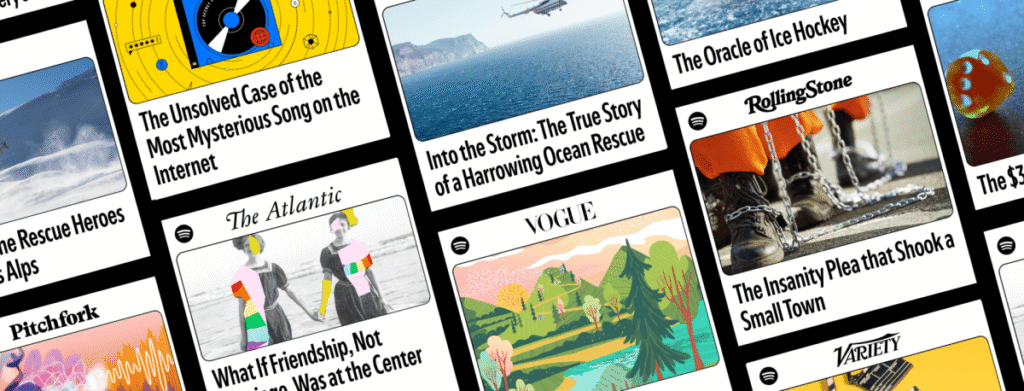
Table of Contents
A new bridge in the audio ecosystem
Spotify is doubling down on its ambition to be the definitive global destination for all things audio, moving beyond music and podcasts into the territory of digital publishing. On Tuesday, the company announced the integration of narrated long-form magazine articles directly into its app, a move that signals a strategic attempt to capture the ‘in-between’ listening window—too long for a song, but shorter than a full-length novel.
The rollout includes a library of over 650 English-language articles sourced from heavyweights in the publishing world, including The Atlantic, Wired, Vogue, Rolling Stone, and Vanity Fair. Rather than simply providing a text-to-speech overlay, Spotify claims these pieces were produced in-house by its dedicated audiobooks team, suggesting a more curated approach to the listening experience than a standard screen-reader tool.
The hybrid voice approach
One of the more critical technical aspects of this launch is Spotify’s use of narration. In a statement to TechCrunch, the company confirmed that the articles will employ a hybrid of human and digital voice narration. To maintain transparency and avoid the ‘uncanny valley’ effect that often plagues AI-generated content, Spotify has committed to clearly labeling any sections that utilize digital voices.
This hybrid model reflects a broader trend across the industry. While human narration provides the emotional nuance required for high-end journalism, the scalability of AI allows Spotify to ingest vast amounts of archival and current content from partners like Billboard, Variety, and Pitchfork without the prohibitive cost of hiring voice actors for every single piece of evergreen content.
The audiobook pipeline
From a business perspective, narrated articles serve as a low-friction entry point to Spotify’s more expensive audiobook vertical. For Premium subscribers, these articles are absorbed into the existing 15-hour monthly audiobook quota. For those on the free tier, Spotify is introducing a micro-transaction model, allowing users to purchase individual articles for $1.99.
This is less about the immediate revenue from a two-dollar article and more about habit-forming behavior. Colleen Prendergast, licensing lead at Spotify Audiobooks, noted in a company blog post that by introducing shorter-form content, the platform is attempting to “build healthy listening habits,” which she suggests will naturally migrate users toward full-length audiobooks over time.
Currently, Spotify’s audiobook monetization is a complex web of tiers. While Premium users get a baseline of hours, the company also offers a $9.99 per month ‘Audiobook Access’ plan for free music listeners and an $11.99 ‘Audiobooks+’ plan that doubles the allotted listening time. By placing high-quality journalism from GQ or Vibe in the app, Spotify is essentially creating a ‘sampling’ layer for its audiobook subscription services.
Contextualizing the AI push
This launch doesn’t happen in a vacuum. It follows a string of aggressive AI-centric updates from the streamer, including the rollout of AI-generated podcasts and tools for authors to create audiobooks via AI. The narrated articles are the latest piece of a puzzle that aims to reduce the cost of content production while increasing the volume of ‘sticky’ content that keeps users inside the app.
By diversifying into narrated journalism, Spotify is positioning itself not just as a utility for music, but as a competitor to platforms like Audible and even traditional news apps that have struggled to find a sustainable audio-first monetization strategy.