Specialist Divers Deploy High-Pressure Pumping Gear in High-Stakes Laos Cave Rescue
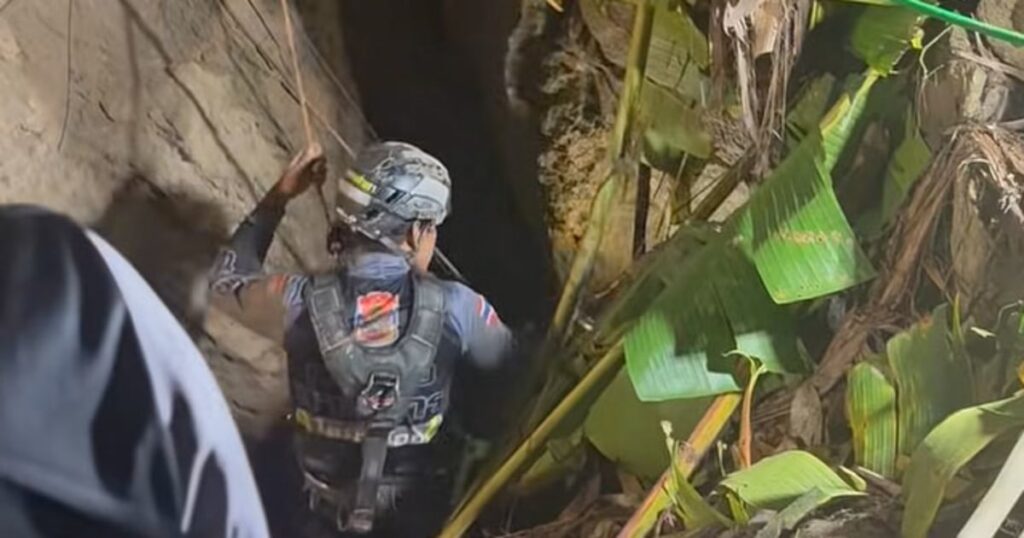
Table of Contents
Engineering a Way Out: The Technical Challenge of the Xaisomboun Extraction
The rescue operation currently unfolding in Laos’ Xaisomboun Province is less a standard emergency response and more a complex engineering problem. After seven gold miners entered a mazelike cave network on May 19, heavy rains triggered flash floods that effectively sealed the entrance with debris and sediment, turning a mining excursion into a subterranean survival scenario. By the time the first survivor was extracted late Friday, the mission had shifted from a search-and-rescue to a precision extraction effort requiring specialized hydraulic equipment.
The primary obstacle has been the cave’s hydrology. To create a viable exit path, rescue teams had to deploy high-capacity water pumps to lower the water levels in the narrow crevices. Without this reduction in water volume, the risk of hypoxia and drowning for both the trapped miners and the divers would have remained prohibitively high. These pumping operations were critical before the Friday mission, as they allowed divers to navigate the “claustrophobic, muddy water-filled” passages that had previously been impassable.
The Role of Specialized Diving Expertise
The operation has seen the integration of Thai rescue volunteers, including specialists who provided the technical blueprint for the 2018 Tham Luang cave rescue of a youth soccer team. That historical precedent is vital here; the techniques used—such as calculating oxygen consumption in stagnant water and using precision markers to navigate zero-visibility environments—are being applied in Xaisomboun.
Thai diver Norrased Palasing emphasized that the extraction phase is significantly more dangerous than the discovery phase. While specialist divers located five men huddled on a rock on Wednesday, the physical act of moving a weakened, malnourished human through narrow, water-logged fissures requires a level of stability and support that is difficult to maintain in a subterranean environment. Initial efforts focused on delivering nutrient-dense supplies to the men to restore their energy levels, a necessary physiological step before they could survive the physical trauma of the extraction process.
Logistical Hurdles in Xaisomboun Province
Kengkard Bongkawong, President of the Mettatham Association Rescue Unit, confirmed the first successful extraction on Friday, describing the survivor as weak and disheveled upon emerging from a narrow crevice. However, the victory is partial. While five men were located on a rock, two others remain missing, forcing the rescue team to expand their search perimeter within the cave’s complex architecture.
The technical difficulty is compounded by the cave’s internal geography. Unlike open-water diving, cave diving requires a strict adherence to “the guideline,” a physical rope that prevents divers from becoming lost in the silt-heavy water. When flash floods occur, these guidelines can be severed or buried, leaving rescuers to rely on sonar or tactile mapping to find survivors.
As the operation moves into its second week, the focus remains on the remaining four individuals awaiting assessment and the search for the two who have not yet been located. The success of the mission now depends on the continued stability of the pumping equipment and the ability of the Thai specialists to navigate the remaining flooded sectors without triggering further collapses or sediment shifts.


