SpaceX’s S-1 Filings Reveal a Perilous Balancing Act Between Starlink Revenue and Starship’s Reusability
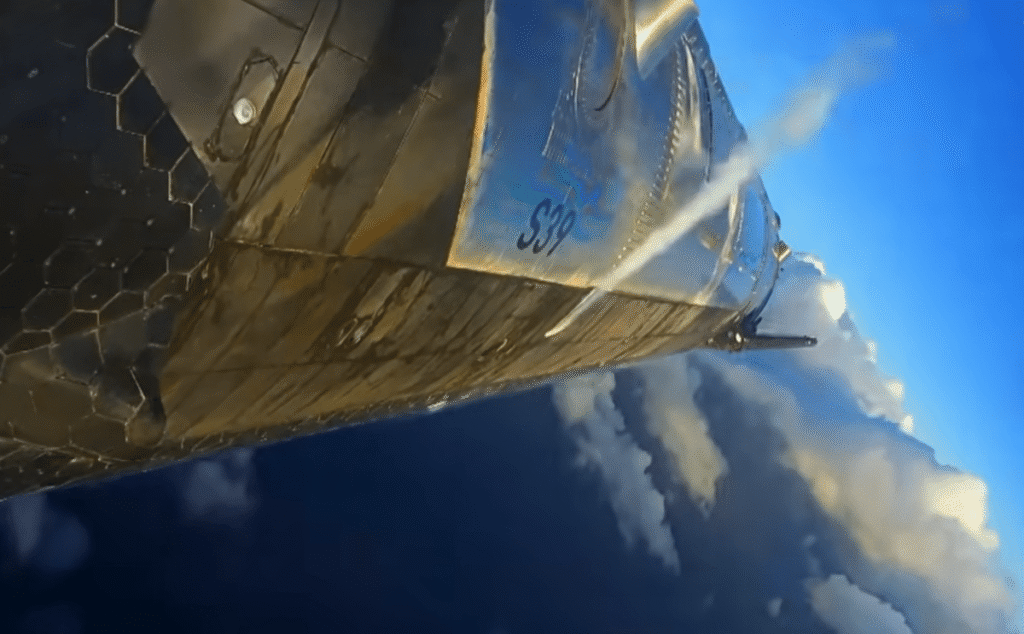
Table of Contents
The High Cost of Dominance
For years, the narrative surrounding SpaceX has been one of inevitable disruption—a trajectory where Elon Musk’s vision of a fully reusable Starship would collapse the cost of access to space and unlock a Martian colony. However, the company’s recent S-1 filing with the U.S. Securities and Exchange Commission provides a colder, more quantitative look at the machinery keeping the company aloft. The documents suggest that while SpaceX is currently a financial powerhouse, it is running on a capital expenditure treadmill that may be more precarious than its public image suggests.
At the heart of the operation is Starlink. The satellite communications network is the undisputed engine of SpaceX’s revenue, generating $11.4 billion last year. But that figure obscures a brutal maintenance cycle: SpaceX must replace approximately 20% of its satellite constellation annually just to maintain existing service levels. Between 2023 and early 2026, the company poured $11.4 billion into its satellite business—surpassing the $8.4 billion invested in Starship and its launch infrastructure.
The Reusability Paradox
Elon Musk has frequently framed Starship as the existential key to the company’s survival, arguing that without a cheap, reusable heavy-lift vehicle, the cost of refreshing the Starlink constellation could bankrupt the firm. Yet, the S-1 filing contains a subtle but critical admission: full reusability of Starship is not strictly necessary to launch the next generation of Starlink satellites.
This admission creates a strategic paradox. While an expendable Starship can still deliver satellites to orbit, it destroys the core economic thesis of the program. According to satellite market analyst Tim Farrar, if SpaceX fails to achieve full reusability, the cost per launch could hover around $100 million. This would mean the cost per kilogram would not be significantly lower than the existing Falcon 9 system, despite Starship’s massive 100-ton payload capacity.
Recent flight tests have underscored these technical anxieties. The third version of Starship and its Super Heavy booster struggled with a pivotal requirement for reusability: the reliable relighting of Raptor engines for a controlled return to Earth. While the vehicle successfully deployed dummy satellites and test payloads, the inability to consistently recover the hardware means SpaceX may be forced to treat early Starship flights as expendable assets.
A Cooling Market for Space Broadband
The financial pressure is compounded by a visible slowdown in Starlink’s user growth. While the service boasts over 10 million subscribers, data from the first quarter of 2026 indicates a decelerating growth rate. This trend is particularly concerning when paired with a decline in Average Revenue Per User (ARPU), which dropped from $99 in 2023 to $66 in early 2026.
This revenue dip is a direct result of SpaceX’s push into emerging international markets, where pricing must be lowered to compete with local infrastructure. This creates a dangerous squeeze: the company is spending more to launch and maintain satellites while each new user generates less profit. If the user base does not accelerate—requiring growth rates to nearly double to meet projections from firms like Quilty Space—the ROI on new satellite batches becomes harder to justify.
The Competitive Horizon
SpaceX is not operating in a vacuum. Amazon’s Project Kuiper is steadily approaching the scale necessary to challenge Starlink’s hegemony, provided it can meet the Federal Communications Commission’s deadline to launch 1,600 satellites by July.
If the slowing demand observed in SpaceX’s filings is a systemic trend rather than a company-specific plateau, it suggests that the total addressable market for space-based broadband is smaller than the industry’s most optimistic projections. For SpaceX, this means the margin for error on Starship’s technical development has shrunk. The dream of space data centers and moon bases remains, but the immediate reality is a fight to keep the cost of orbital logistics from eating the profits of a maturing satellite business.


