SpaceX S-1 Filing Reveals High-Stakes Gamble on Starship Reusability and Starlink Growth
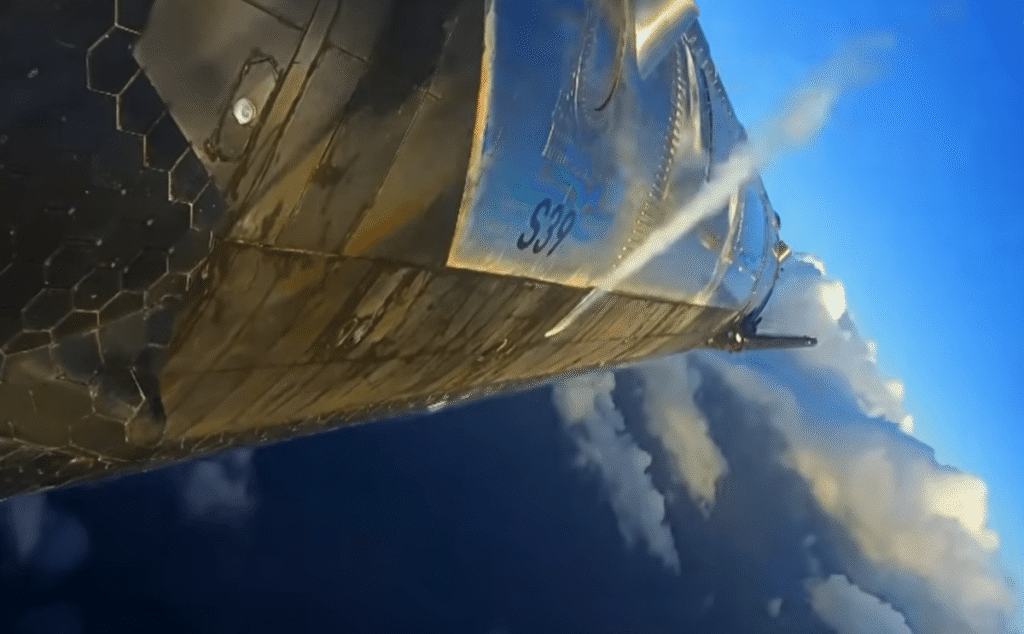
Table of Contents
The Financial Gravity of Full Reusability
For years, Elon Musk has framed the Starship program not merely as a vehicle for Mars colonization, but as the fundamental economic engine required to sustain SpaceX’s orbit. However, a recent S-1 filing with the U.S. Securities and Exchange Commission suggests a more complicated reality: the dream of full reusability is facing a stubborn technical and financial headwind.
The document provides a rare glimpse into the company’s internal math. While the narrative surrounding SpaceX often focuses on the futuristic allure of moon bases and orbital cities, the S-1 highlights a more pressing concern—the capital expenditure treadmill of the Starlink constellation. SpaceX’s connectivity business generated a staggering $11.4 billion in revenue last year, yet the cost of maintaining that network is immense. The company must replace approximately 20% of its satellite fleet annually to prevent service degradation.
Crucially, the filing reveals a pivot in strategy. For the first time, SpaceX acknowledges that full reusability of Starship may not be a strict prerequisite for launching the next generation of high-throughput Starlink satellites. While this allows the company to maintain its launch schedule, it creates a massive financial loophole. If Starship remains partially expendable, the cost advantage over the reliable Falcon 9 diminishes.
The Technical Bottleneck
The stakes of this technical hurdle were on full display during the recent test flight of the third Starship iteration. Despite successfully deploying dummy satellites and test vehicles, the mission struggled with a critical component of reusability: the relighting of Raptor engines for a controlled return to Earth. Without consistent engine reignition, the ‘catch’ and reuse cycle remains a theoretical goal rather than an operational reality.
Industry analysts warn that this failure could fundamentally alter the business model. Tim Farrar, a satellite market analyst, noted that without full reusability, the cost per launch could hover around $100 million. This price point would leave SpaceX with a launch cost of roughly $1,000 per kilogram—hardly the disruptive price drop Musk has promised.
Starlink’s Growth Plateau
While the rocket hardware faces technical hurdles, the revenue side of the ledger is showing signs of exhaustion. The S-1 filing suggests that Starlink’s rapid user acquisition phase may be hitting a ceiling. Although the network boasts over 10 million subscribers, growth rates decelerated through the first quarter of 2026.
This slowdown is compounded by a shrinking Average Revenue Per User (ARPU). In 2023, Starlink’s ARPU sat at $99; by early 2026, that figure dropped to $66. This decline is largely driven by expansion into emerging markets where pricing must be lowered to attract customers, meaning SpaceX has to launch more satellites to generate the same amount of profit.
A Crowded Orbit
The competitive landscape is also tightening. Amazon’s Project Kuiper is nearing the scale necessary to challenge SpaceX’s dominance, provided it meets FCC deadlines for launching 1,600 satellites by July. If the market for space-based broadband is smaller than SpaceX’s total addressable market calculations suggest, the company may find itself over-invested in infrastructure with diminishing returns.
The interplay between these factors—the need for cheaper launches and the reality of slowing revenue growth—creates a narrow window for success. If Starship cannot achieve the rapid turnaround and low cost of a commercial airliner, the ambitious plans for space-based data centers and interplanetary travel may remain grounded by the sheer cost of the fuel and hardware.


