SpaceX and Pentagon Clash Over ‘Kamikaze’ Drone Pricing and Terms of Service Violations
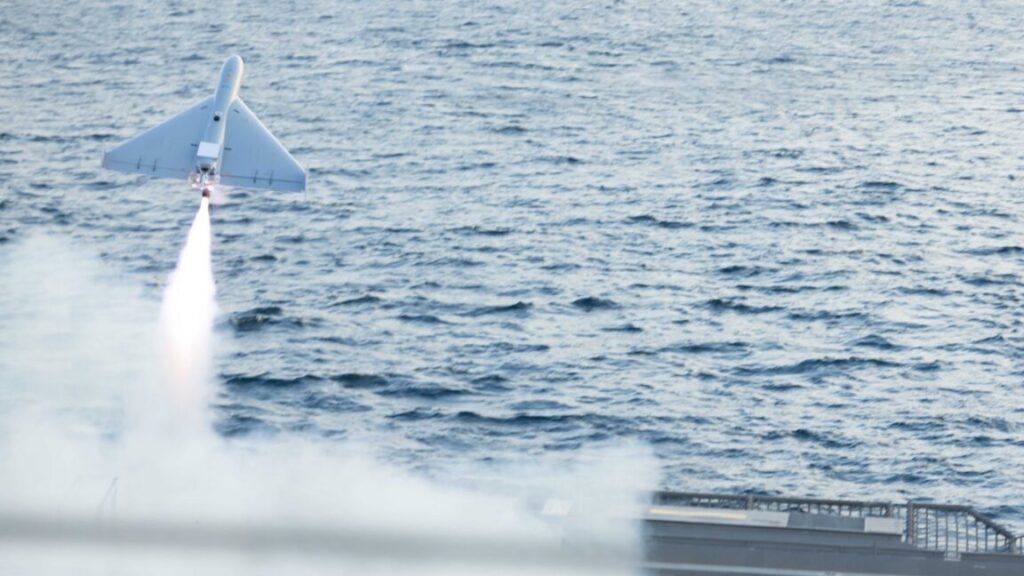
Table of Contents
The Friction Between Civilian Tech and Kinetic Warfare
The boundary between commercial satellite internet and military grade infrastructure is blurring, and according to Elon Musk, it is doing so in violation of SpaceX’s legal terms. A deepening dispute has emerged between SpaceX and the U.S. Department of Defense over the deployment of satellite connectivity on “kamikaze” attack drones used during recent operations in Iran.
At the center of the conflict is the Low-cost Uncrewed Combat Attack System (LUCAS), a series of drones developed by defense contractor Spektreworks. Designed as a cost-effective alternative to traditional missiles—often reverse-engineered from Iranian technology—these drones rely on satellite links to maintain guidance. However, the network they connected to has become a point of contention.
While SpaceX operates Starshield, a dedicated government-facing network, Musk alleges that these weapon systems were incorrectly configured to use the civilian Starlink service. This is not merely a technical error but a direct breach of the company’s terms of service, which explicitly prohibit the use of commercial terminals for weapon systems.
The $25,000 Connection: A Pricing War
The dispute has evolved from a legal disagreement into a financial battle. According to reporting from Reuters, based on leaked Pentagon documents, SpaceX pushed for a significant price hike for the connectivity provided to these drones. The cost per connection reportedly jumped from $5,000 to $25,000.
The tension lies in the nature of the hardware. A $25,000 monthly fee is typical for the “aviation tier” of service—designed for aircraft that fly for long durations. In contrast, a LUCAS drone is a one-way asset; it connects to the network for a matter of minutes or hours before detonating on impact. Pentagon officials reportedly argued that charging a full monthly aviation rate for a device that is destroyed upon arrival is logically flawed.
Despite the internal unease within the Department of Defense, the Pentagon ultimately agreed to the increased pricing. This reluctant acceptance highlights the immense leverage SpaceX holds over modern tactical communications, where the speed of deployment often outweighs the desire for price negotiation.
Contractor Error or Systemic Failure?
Elon Musk has been quick to deflect responsibility from the Pentagon’s leadership, instead pointing the finger at the intermediaries. In a series of posts on X, Musk clarified that the company producing the drones—Spektreworks—incorrectly integrated the civilian system rather than the Starshield network.
“There is a US government arm of SpaceX called Starshield, which has a different set of satellites than Starlink,” Musk noted. The distinction is critical: Starshield is operated under government control and is designed for the rigors and security requirements of the military. Starlink, conversely, is a commercial product intended for consumers and businesses.
The Pentagon has denied any violation of its agreement with SpaceX, creating a narrative gap between the company’s executive leadership and the government’s official stance. This friction is further complicated by the hardware itself; Starshield terminals can reportedly connect to both the government and civilian constellations, making the “incorrect” use of the network a matter of software configuration rather than hardware limitation.
Broader Implications for Digital Sovereignty
This skirmish is not an isolated incident but part of a broader, often volatile relationship between Musk and the U.S. government, echoing previous disputes over unpaid terminals in Ukraine. The financial stakes are growing; the Pentagon is currently weighing the purchase of over 3,500 additional Starshield subscriptions, a deal that could generate hundreds of millions in annual revenue for SpaceX.
Beyond kinetic weapons, the dispute extends to humanitarian and intelligence efforts. Reports indicate the U.S. smuggled approximately 6,000 Starlink terminals into Iran to help citizens bypass government internet blackouts. When the Pentagon inquired about “direct-to-cell” capabilities to remove the need for hardware terminals, SpaceX reportedly proposed a $500 million launch fee and a $100 million monthly operating cost—figures that left defense officials alarmed.
As the U.S. military increasingly relies on “New Space” commercial providers for critical infrastructure, the lack of a standardized pricing model for disposable warfare assets remains a glaring vulnerability in the defense procurement process.


