Snap Spins Off GenAI Video Team into Dotmo: A Strategic Pivot to Cut Costs and Chase Gaming
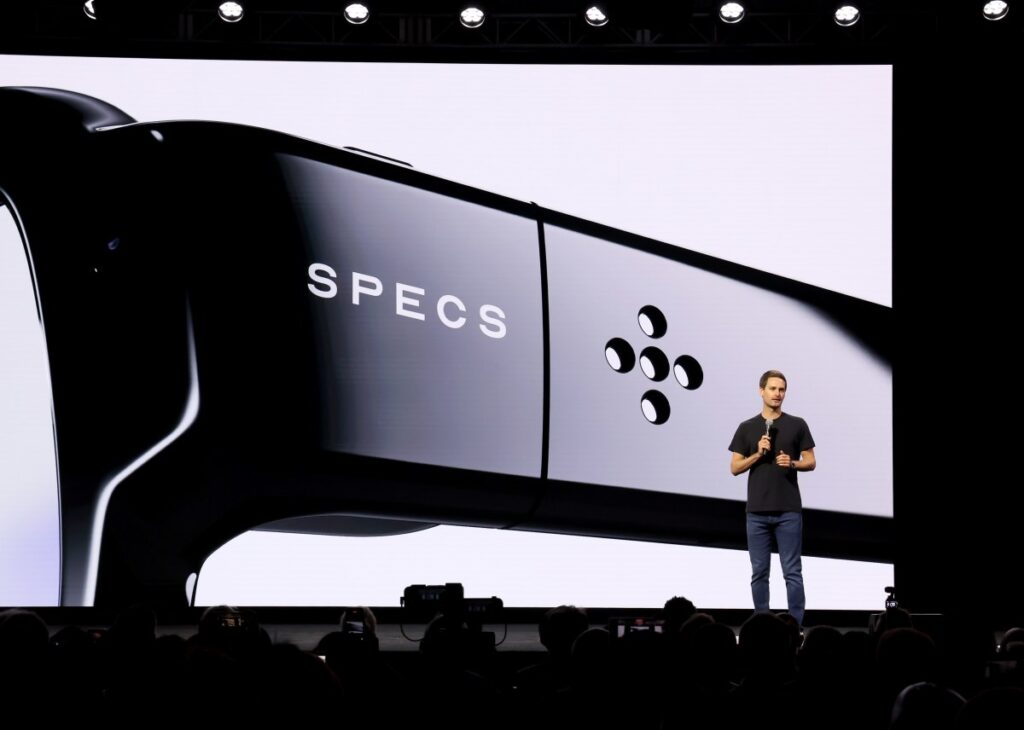
Table of Contents
The High Cost of Innovation: Snap’s Strategic Divorce from its AI Video Team
Snap Inc. has officially transitioned its internal generative AI video unit into a standalone entity called Dotmo. While the move is framed as a strategic evolution to foster innovation in interactive gaming, the underlying driver is far more pragmatic: the astronomical cost of maintaining cutting-edge AI research within a public company’s balance sheet.
- Structural Shift: Snap is spinning off its generative AI video team into Dotmo, a separate company focusing on AI-driven interactive gaming.
- Financial Logic: The spinoff is primarily driven by the high operational costs (compute and talent) of internal AI development.
- Equity Play: Snap retains a significant equity stake in Dotmo in exchange for technology licenses and talent transition.
- Leadership Ties: Snap CTO Bobby Murphy will act as the lead investor while remaining full-time at Snap.
The transition to Dotmo isn’t just a corporate reorganization; it is a reflection of the broader struggle facing social media companies in the age of Large Language Models (LLMs) and diffusion models. For Snap, the goal is to maintain exposure to the upside of generative video while insulating its quarterly earnings from the volatile burn rates associated with AI training clusters.
Analyzing the Dotmo Framework
Dotmo is not a traditional subsidiary. It is a separate corporate entity staffed by former Snap employees. However, the relationship is symbiotic. Snap has granted Dotmo a license to adapt its existing proprietary technology for use in gaming and interactive entertainment platforms. This creates a loop where Dotmo evolves the tech, and Snap maintains a financial stake in that evolution.
The Financial Engineering of the Deal
The financial architecture of this spinoff is particularly noteworthy. Rather than providing direct corporate funding, the venture is being spearheaded by Bobby Murphy, Snap’s Chief Technology Officer. By acting as the lead investor personally, Murphy signals high confidence in the technology while removing the direct payroll and server costs from Snap’s operational expenses (OpEx).
In exchange for the talent and the licensing agreements, Snap Inc. has secured a large equity stake. This is a classic “hedge” strategy: if Dotmo becomes the next Unity or Epic Games of the AI era, Snap captures the value through its shares. If the venture fails, Snap has already successfully removed the associated costs from its books.
Why Now? The Pressure of the AI Burn Rate
The decision to spin off Dotmo comes amid a challenging period for Snap. The company has previously faced headwinds, including a round of layoffs that eliminated approximately 1,000 positions earlier this year. Furthermore, the 2026 launch of its ‘Specs’ smart glasses—which carried a polarizing price tag of roughly $2,200—led to significant stock volatility.
The Compute Crisis
Generative AI video is one of the most computationally expensive frontiers in technology. Unlike text-based AI, video requires massive GPU clusters (typically NVIDIA H100s or B200s) and immense electricity loads. For a company like Snap, which is fighting to maintain margins in a competitive ad market, the cost of iterating on high-fidelity video models can be prohibitive.
By moving these operations to Dotmo, the research and development (R&D) costs move from Snap’s balance sheet to a venture-funded model. This allows Dotmo to seek outside capital from venture capitalists who have a higher risk tolerance for long-term AI breakthroughs than public shareholders do.
What This Means for the Industry
The Dotmo spinoff suggests a shift in how Big Tech handles “moonshot” projects. We are seeing a trend where companies move away from the monolithic ‘X’ (formerly Google X) model toward a more fragmented, equity-based ecosystem.
Impact on Interactive Gaming
Dotmo’s focus on “interactive gaming experiences” implies a move toward procedural content generation. Instead of static videos, the goal is likely AI that can generate game environments or characters in real-time based on user input. This could potentially integrate back into Snapchat as an AR (Augmented Reality) experience, though the company insists Dotmo is currently focused on areas outside Snap’s core priorities.
Recent industry data indicates that training a state-of-the-art video model can cost between $10 million and $100 million in compute alone, not including the salaries of specialized PhD-level researchers. This explains why Snap is prioritizing equity over direct ownership.
Comparing Dotmo to the Specs Spinoff
This is the second major spinoff for Snap this year, following the separation of its smart glasses line, Specs. However, the two moves serve different purposes. Specs was a hardware play—a move to isolate the risk of expensive physical inventory and supply chain logistics. Dotmo is a software and intelligence play, isolating the risk of R&D failure and compute costs.
Operational Flexibility vs. Core Business
A Snap representative clarified that Dotmo is focused on digital experiences not currently aligned with Snap’s core business priorities. This is a strategic admission: Snap is prioritizing its advertising engine and core social features over the gamble of AI gaming. By spinning out the team, they allow the researchers to work without the constraints of a public company’s quarterly reporting cycle.
What This Means for Users and Investors
For Users: You likely won’t see a “Dotmo App” tomorrow. Instead, expect new, high-fidelity interactive AI lenses or gaming mini-apps within Snapchat as the two companies partner on specific deployments.
For Investors: This is a lean move. It reduces the “burn” on Snap’s income statement while keeping a lottery ticket (the equity stake) in a high-growth AI sector.
The Role of the CTO as Lead Investor
The decision for Bobby Murphy to remain CTO of Snap while leading the investment in Dotmo is a delicate balance. It ensures that the technical vision of Snap remains aligned with the innovations at Dotmo. However, it also creates a bridge for future acquisition. Should Dotmo achieve a breakthrough in real-time video generation, Snap is perfectly positioned to re-absorb the technology through a merger or acquisition, utilizing its equity stake as a primary lever.
FAQ: Understanding the Snap-Dotmo Transition
What is Dotmo?
Dotmo is a new independent company formed from Snap’s former internal generative AI video team. Its primary mission is to develop AI models that power interactive gaming and entertainment experiences.
Why did Snap spin off the AI team instead of keeping it?
The primary reason cited was the high cost of AI research and development. By creating a separate company, Snap reduces its direct operational expenses while maintaining an equity stake in the potential success of the technology.
Will Snapchat still have AI features?
Yes. Snap continues to lead its own GenAI research and development initiatives. Dotmo focuses on interactive gaming and entertainment, which are currently separate from Snap’s core business priorities.
Who is funding Dotmo?
Bobby Murphy, the CTO of Snap, is acting as the lead investor. The company may also seek outside venture capital funding in the future.
Does this mean Snap is giving up on AI video?
Not exactly. By licensing its technology to Dotmo and holding equity, Snap is essentially outsourcing the high-risk R&D phase while keeping a path to benefit from the results.
Closing Analysis: The New Blueprint for AI R&D
The creation of Dotmo represents a shift in the corporate AI playbook. The era of “absorbing everything” into one giant company is being replaced by a more fluid model of spinoffs and strategic partnerships. For Snap, this move balances the need for fiscal discipline with the necessity of staying relevant in the generative AI race. Whether Dotmo becomes a gaming powerhouse or serves as a cautionary tale of AI overhead remains to be seen, but the move successfully pivots the financial risk away from the Snap shareholder.