Samsung’s $2,000 Foldable Ambitions Hit a Wall as Early Review Units Fail
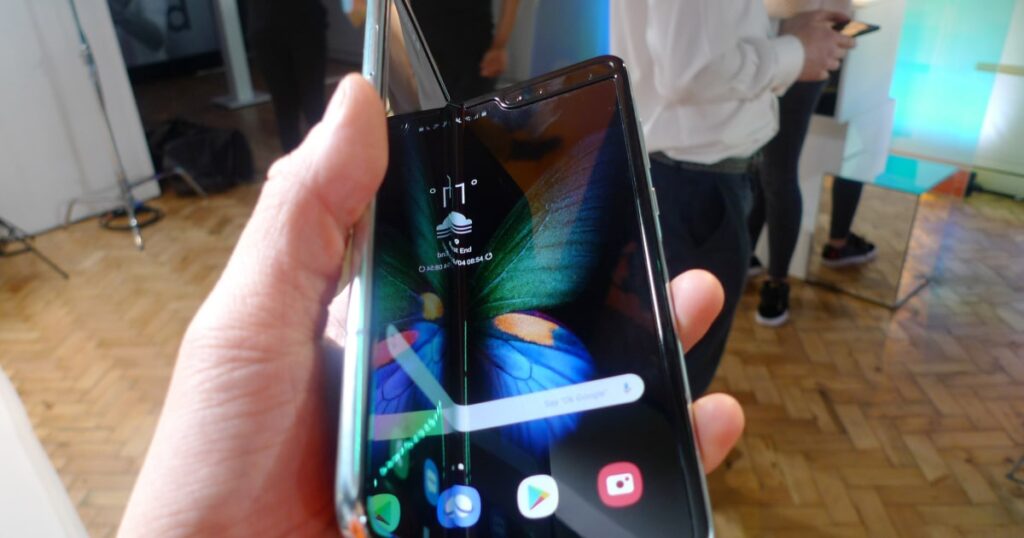
Table of Contents
A Fragile Start for a Bold Experiment
Samsung is betting heavily on the future of flexible glass, but the debut of the Galaxy Fold is proving that the leap from prototype to consumer product is fraught with risk. In the days leading up to the official retail launch, a troubling pattern has emerged: review units sent to journalists are failing in the field, often within 48 hours of first use.
The reports are consistent and concerning. Journalists have documented screens flickering, intermittently flashing, and eventually turning completely black. For a device retailing at $1,980—positioning it as one of the most expensive consumer smartphones ever released—the margin for error is non-existent. When a device at this price point becomes “completely unusable” within two days, the conversation shifts quickly from innovation to reliability.
The Protective Layer Controversy
Initial reactions from Samsung suggested a possible user error. The Galaxy Fold ships with a thin, factory-installed protective layer on the interior screen. Early reports indicated that some reviewers had peeled this layer off, believing it to be a standard shipping film. Samsung emphasized that this layer is structural and necessary to prevent scratches and maintain screen integrity.
However, this explanation doesn’t cover the full scope of the failures. Reporting from The Verge and CNBC confirmed that devices remaining strictly within Samsung’s operational guidelines—with the protective film intact—still suffered catastrophic screen failure. A video produced by CNBC’s Todd Haselton illustrated a glitching left-hand panel and a completely unresponsive right side, suggesting the issue is rooted in the hardware’s hinge mechanism or the OLED substrate itself rather than surface-level damage.
The Ghost of the Note 7
For Samsung, these reports are not just a technical hurdle; they are a PR nightmare. The company is still haunted by the 2016 Galaxy Note 7 disaster, where battery defects led to spontaneous combustions and a global recall that cost the company billions in revenue and significant brand equity.
While a flickering screen is hardly as dangerous as a battery fire, the optics are similar. Samsung is attempting to lead the market in a new category of hardware, yet the Galaxy Fold’s fragility suggests the technology may not be ready for the rigors of daily use. The company has claimed the screen can withstand 200,000 folds—roughly 100 folds per day for five years—but that lab-tested endurance is not translating to the real-world experience of the first batch of users.
Samsung’s Response and the Road to April 26
Samsung has acknowledged the reports and stated it will “thoroughly inspect these units in person to determine the cause of the matter.” While the company is moving toward the April 26 U.S. launch date, the industry is watching closely to see if these failures are isolated incidents or a systemic flaw in the first-generation hardware.
The Galaxy Fold is a marvel of engineering, shrinking a tablet-sized display into a standard phone form factor. But as the first reviews trickle in, the central question isn’t whether the phone can fold, but whether it can survive the act of being opened and closed in a pocket, a bag, or a hand for more than a weekend.