Samsung Galaxy S26 Ultra Targets the ‘Festival Crowd’ with Aggressive Low-Light Optics and AI Stabilization
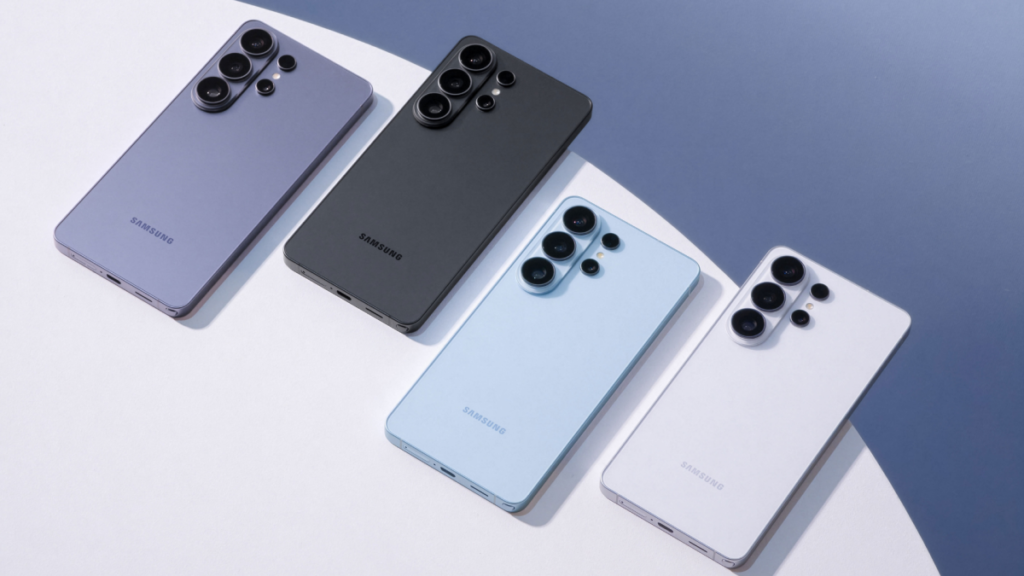
Table of Contents
The Battle Against the ‘Blurry Concert Clip’
For years, the paradox of the modern music festival has been the tension between experiencing the moment and documenting it. Most smartphone users find themselves in a losing battle against dramatic stage lighting, crowded pits, and the physical distance from the stage—resulting in grainy videos and missed shots. Samsung is positioning the Galaxy S26 Ultra as the definitive solution to this friction, leaning heavily on hardware leaps in light intake and AI-driven stabilization.
The centerpieces of the S26 Ultra’s imaging suite are the 200-megapixel main sensor and a significantly wider F1.4 aperture. In the world of optics, a wider aperture is the primary weapon against low-light noise. By allowing more light to hit the sensor, the S26 Ultra reduces the reliance on software-heavy brightening that often leaves festival photos looking like oil paintings. When combined with the updated Nightography pipeline, the device can balance the extreme contrast of pyrotechnics and dark crowds without blowing out the highlights of the performer.
Stability in the Chaos
Capturing steady footage from the middle of a crowd is a mechanical challenge. Samsung’s Super Steady mode, paired with Horizontal Lock, utilizes the device’s internal gyroscope and accelerometer to counteract erratic movement in real-time. Unlike standard electronic image stabilization (EIS) which can sometimes feel “floaty,” the Horizontal Lock ensures the horizon remains fixed even as the user is jostled or tilts the phone to navigate around other attendees.
This level of stabilization is critical for the ‘social-first’ nature of festival content. The ability to record a clip that feels gimbal-stabilized without carrying extra gear allows users to focus on the performance rather than the struggle of keeping the frame level.
Bridging the Gap with Telephoto Optics
The S26 Ultra addresses the distance problem through a sophisticated telephoto array. The 50-megapixel telephoto lens provides 5x true optical zoom and 10x optical-quality zoom, which essentially moves the viewer from the sound booth to the front row. While 100x Space Zoom remains a headline feature for stills, the real utility lies in the mid-range zoom, where the sensor maintains enough detail to keep lead singers in focus without the digital artifacts common in lower-tier flagships.
AI-Driven Post-Production
Recognizing that festival photos are rarely perfect on the first take, Samsung has integrated an aggressive suite of Galaxy AI tools. Photo Assist allows users to remove unwanted distractions—such as a stranger’s arm or a stray flash—using generative fill. By circling an object in the Gallery app, the AI identifies edges and replaces the removed element with a contextually aware background.
For those moving beyond simple stills, Creative Studio allows for the rapid generation of custom assets, such as stickers or digital invites, transforming raw event footage into curated social content. Even utility-based features have been refined; the Document Scan tool now better handles the low-contrast, high-glare environments typical of printed festival maps and schedules, ensuring the logistics of the weekend aren’t lost to a dead battery or a lost piece of paper.
While the Galaxy S26 lineup offers several tiers, the Ultra remains the only choice for those treating their device as a professional-grade content tool. By combining a physical aperture advantage with generative AI, Samsung isn’t just upgrading specs—they are solving the specific environmental failures of mobile photography.