Samsung Floods Indian Market with 72 New TV Models, Betting Big on Micro LED
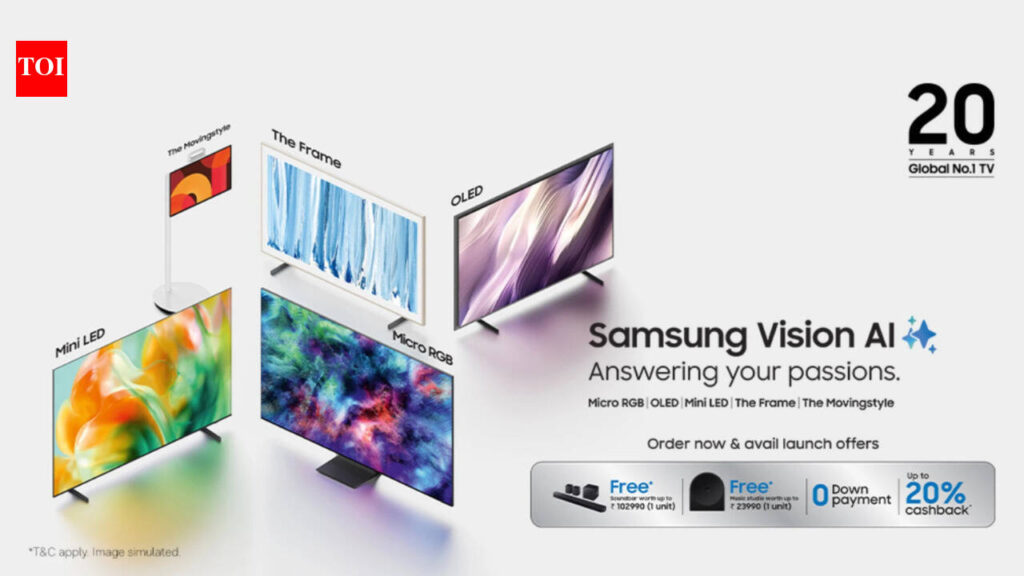
Table of Contents
A Massive Push for Premium Displays
Samsung has unveiled its 2026 television portfolio for the Indian market, a sprawling rollout consisting of 72 different models designed to cover every possible price bracket from entry-level 4K sets to ultra-luxury cinema screens. While the sheer volume of models is striking, the real story is the aggressive push into Micro LED technology, which Samsung is positioning as the definitive successor to OLED for the high-end consumer.
The 2026 lineup is structured around four primary pillars: Micro LED, QD-OLED, Neo QLED (Mini-LED), and standard Crystal 4K LED. By diversifying the range so heavily, Samsung is attempting to stave off increasing pressure from Chinese competitors like Xiaomi and Hisense, who have spent the last two years undercutting Samsung on price while rapidly improving their Mini-LED game.
The Micro LED Gambit
The centerpiece of the launch is the integration of Micro LED. Unlike OLED, which uses organic compounds that can degrade over time (leading to the dreaded ‘burn-in’), Micro LED utilizes inorganic gallium nitride pixels. This allows for the perfect blacks and infinite contrast of OLED but with significantly higher peak brightness and a lifespan that theoretically lasts decades.
Historically, Micro LED has been a ‘lab curiosity’ or a million-dollar installation for the ultra-wealthy. However, the 2026 Indian rollout suggests Samsung is finally finding a way to scale the manufacturing process. While these units will remain the most expensive in the catalog, their inclusion in the general lineup signals a shift in how Samsung views the ‘premium’ ceiling.
Neo QLED and the OLED Balancing Act
For the bulk of the premium market, Samsung is leaning into its Neo QLED series. These sets utilize Quantum Mini-LEDs, which allow for tighter dimming zones and less ‘blooming’ around bright objects on dark backgrounds. In the Indian context, where high ambient light in living rooms is common, the high brightness of Neo QLED often makes it a more practical choice than OLED.
Simultaneously, the 2026 QD-OLED models aim to bridge the gap, combining the color purity of Quantum Dots with the precision of self-emissive pixels. We are seeing a trend where Samsung is no longer treating OLED as a separate experiment, but as a core part of a tiered ecosystem where the user chooses based on their room’s lighting and their budget.
Market Strategy and Scale
Launching 72 models in a single cycle is a logistical behemoth. It indicates that Samsung is not just selling hardware, but is tailoring specific screen sizes and feature sets to different Indian retail tiers—from high-end boutiques in Delhi and Mumbai to mass-market electronics hubs in Tier 2 cities.
Across the board, the 2026 sets are expected to feature an updated version of the Tizen OS, with a heavier emphasis on AI-driven upscaling. This ensures that lower-resolution content—still prevalent in many Indian cable broadcasts—looks acceptable on 8K panels without the dreaded ‘soap opera effect’ or obvious pixelation.
As the battle for the living room intensifies, Samsung’s strategy is clear: provide so many options that there is no gap in the market for a competitor to occupy. Whether you are looking for a budget-friendly bedroom TV or a Micro LED wall that takes over a room, the 2026 lineup is designed to ensure the Samsung logo remains the dominant sight in Indian homes.