Samsung Bets Big on ‘Vision AI’ with 72-Model TV Blitz in India

Table of Contents
A Massive Push for High-End Display Tech
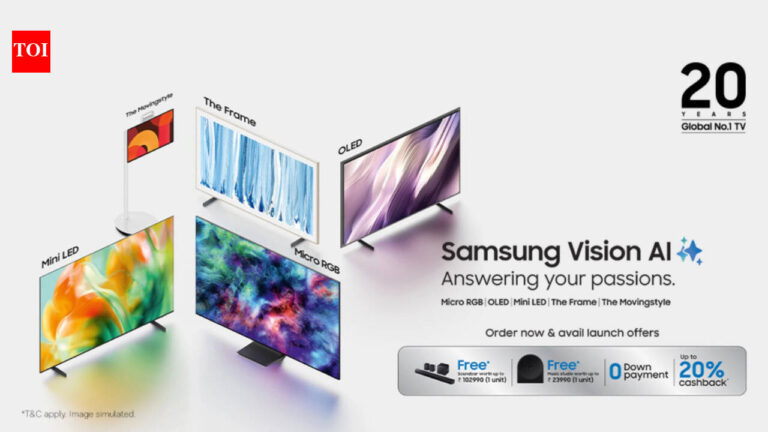
Samsung is not merely updating its catalog for 2026; it is attempting to flood the Indian market with a staggering variety of display technologies. The company has unveiled 72 new models under the ‘Vision AI’ umbrella, ranging from budget-friendly entry points to the ultra-premium Micro RGB sets that push the boundaries of current consumer electronics pricing.
The centerpiece of this rollout is the introduction of Micro RGB to the Indian market. Unlike standard OLEDs, which rely on organic compounds that can degrade over time, Micro RGB utilizes microscopic, non-organic LEDs that provide significantly higher brightness and a near-infinite contrast ratio without the looming threat of permanent burn-in. This move positions Samsung to compete more aggressively in the luxury home cinema segment, where buyers are increasingly moving away from traditional projectors toward massive, high-nit panels.
The AI Engine Behind the Glass
The ‘Vision AI’ branding isn’t just a marketing veneer. According to Samsung, the 2026 lineup integrates a new neural processing unit (NPU) designed to handle real-time upscaling and motion smoothing more effectively than previous iterations. The AI focuses on three core pillars: adaptive picture calibration, spatial audio mapping, and a revamped content recommendation engine that claims to learn user preferences based on viewing habits rather than just search history.
For the Neo QLED and Mini LED segments, the AI is tasked with more granular dimming zone control. By analyzing the frame in real-time, the Vision AI engine can prevent ‘blooming’—that annoying halo effect often seen around bright objects on dark backgrounds—making the Mini LED experience closer to the precision of OLED while maintaining the superior brightness needed for sun-drenched Indian living rooms.
Pricing and Market Strategy
The sheer scale of the 72-model rollout suggests a strategy of total market saturation. Samsung is casting a wide net, with entry-level models starting at Rs 36,990, targeting the mass-market upgrade cycle. At the opposite end of the spectrum, the Micro RGB series enters the stratosphere, with flagship models priced above Rs 1,24,990.
To incentivize early adoption in a volatile economy, Samsung is bundling these launches with aggressive promotions, including complimentary soundbars for higher-end tiers and various cashback offers. This bundling strategy is likely a response to the growing trend of ‘home theater’ integration, where consumers prefer a unified ecosystem over piecemeal hardware upgrades.
The Competitive Landscape
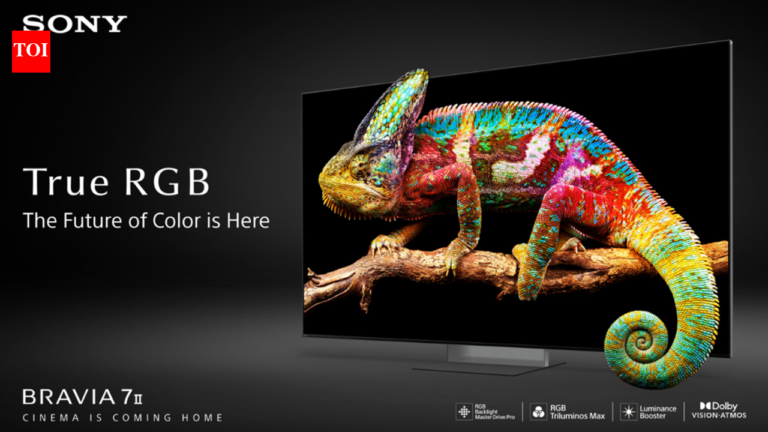
This launch puts Samsung in direct competition with LG’s evolving OLED lineup and Sony’s focus on cinematic accuracy. While Sony often wins on ‘color truth,’ Samsung is betting that the Indian consumer prefers the vividness and versatility of Neo QLED and the cutting-edge prestige of Micro RGB. The inclusion of 72 different SKUs allows them to hit every possible price bracket, effectively blocking competitors from finding a gap in the market.
As AI becomes the primary battleground for consumer electronics, the success of the Vision AI suite will depend on whether the perceived quality jump justifies the premium price tags of the Micro RGB and Neo QLED series.