Ryan Coogler’s X-Files Reboot: Can a Creative Pivot Save a Fractured Mythology?
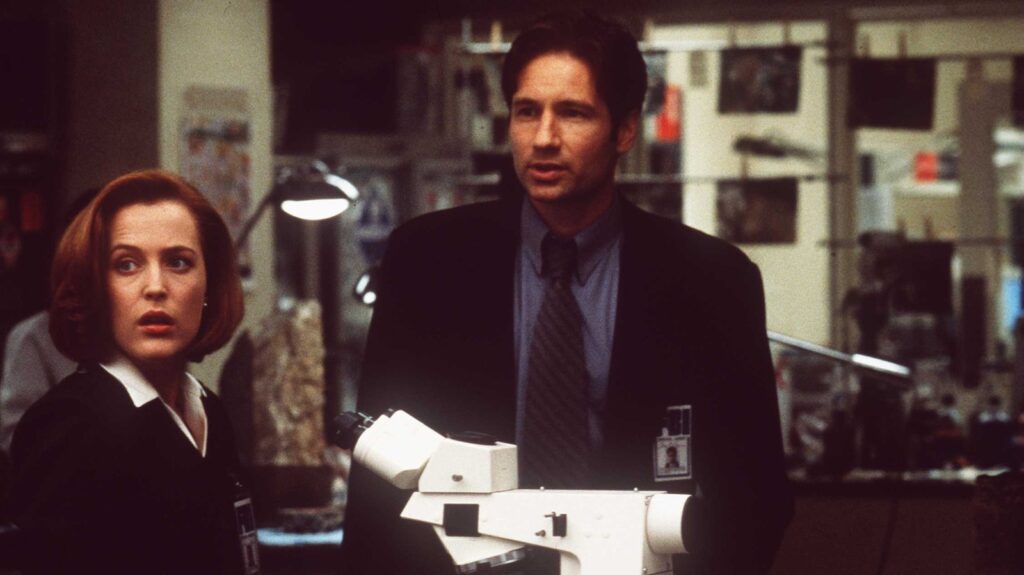
Table of Contents
A Tactical Shift in the Search for Truth
The X-Files is returning, but not in the way legacy fans might have expected. Rather than another continuation of the Mulder and Scully saga, director Ryan Coogler is stepping in to helm a semi-reboot of the seminal paranormal procedural. While the original series defined the 1990s obsession with government conspiracies and extraterrestrial visitation, the revival seasons (10 and 11) struggled to reconcile a bloated mythology with modern sensibilities. Coogler’s approach appears to be a clean break—or at least a strategic reset.
The premise is lean: two new FBI agents tasked with resurrecting the shuttered X-Files department. By pivoting away from David Duchovny and Gillian Anderson as the primary leads, Coogler is positioning the series closer to the 2005 Doctor Who model—preserving the universe’s internal logic while introducing a fresh perspective to attract a generation that grew up on Stranger Things and Dark. However, for the reboot to succeed, it must do more than just replace the protagonists; it needs to repair the narrative damage left behind by the original show’s sprawling, often contradictory, mythology.
The Digital Afterlife of the Lone Gunmen
One of the most glaring missed opportunities in the later seasons was the handling of The Lone Gunmen. The trio of conspiracy-theorists were more than just comic relief; they represented the analog-to-digital transition of the early internet. After their deaths in Season 9’s “Jump the Shark,” their presence became a point of contention between the writers and network executives.
The Season 11 revival attempted a high-concept return by depicting Langley trapped in a “virtual heaven”—a consciousness upload that ended on an abrupt, unresolved cliffhanger. In an era of actual Neuralink trials and LLM-driven digital twins, this plot point is no longer just sci-fi; it’s a contemporary tech anxiety. Coogler could leverage this by centering a narrative around a legacy data center or a corrupted cloud archive where the Gunmen’s consciousnesses still reside, blending nostalgia with a modern critique of digital permanence.
Deconstructing the Smoking Man
Then there is the Cigarette Smoking Man (CSM). For decades, he was the archetype of the shadow government operative. However, the revival seasons committed the cardinal sin of mystery writing: they explained too much. By revealing the specifics of his relationship with Scully and his precise knowledge of the 2012 colonization date, the show stripped the character of his enigma.
Despite surviving a missile strike and severe burns, the CSM remains a potent symbol of systemic corruption. For Coogler, the challenge is to re-mystify the villain. Whether the character has transitioned from cigarettes to vaping or has evolved into a silent architect of a new surveillance state, the reboot has the chance to move him away from the “secret father” tropes and back toward the terrifying reality of an unaccountable deep state.
The Alien Colonization Pivot
The overarching plot of alien colonization—the show’s primary engine for years—was largely discarded in the revival, with the explanation that Earth simply lacked the resources to make an invasion worthwhile. This felt like a narrative surrender.
The X-Files was always at its most potent when it operated in the space of uncertainty. By introducing a new pair of agents, Coogler can re-examine the colonization theory through a modern lens. Instead of a sudden planetary takeover, the new series could explore “slow-burn” infiltration—technological integration and biological blending that mirrors our own current anxieties regarding AI and synthetic biology. It allows the show to return to its extraterrestrial roots without relying on the clunky plot devices of the early 2000s.
The Doggett Legacy
Finally, there is the matter of Agent John Doggett. Robert Patrick’s introduction in Season 8 provided a necessary foil to Mulder’s intuition, but Doggett was largely erased from the subsequent movie and revivals. Much like how Twin Peaks: The Return handled the fate of Agent Phillip Jeffries, Coogler could use Doggett as a bridge between the old guard and the new. Bringing back a seasoned, skeptical veteran to mentor the new recruits would provide the emotional continuity the series needs without tethering the plot to the baggage of the original leads.


