Rivian Sets June 9 Delivery Date for R2, Pivoting Toward a Mass-Market Play
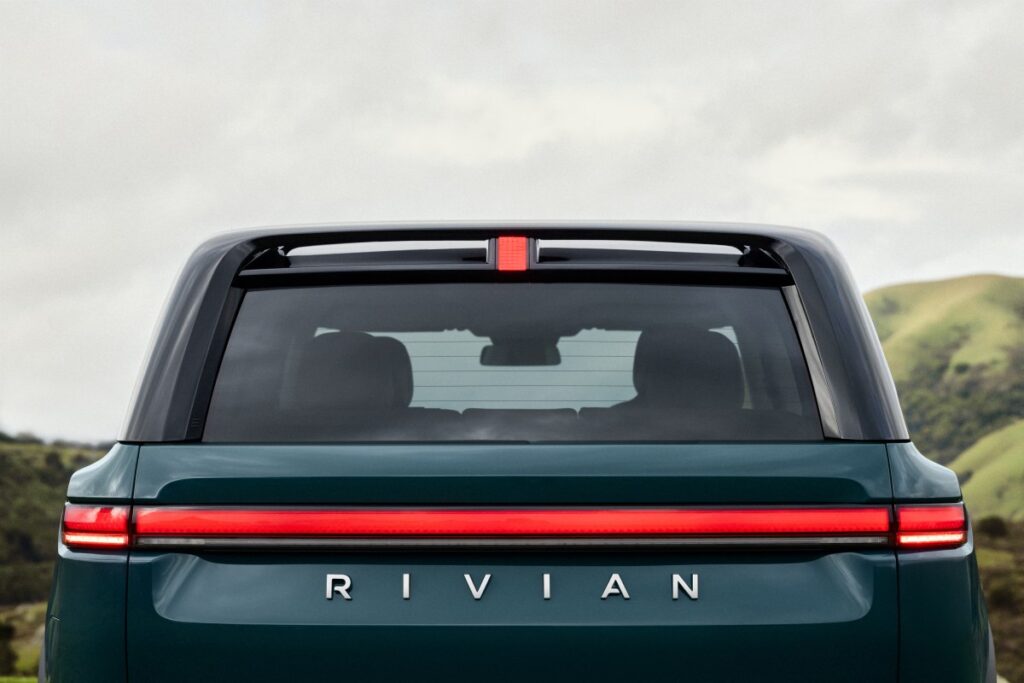
Table of Contents
The Pivot to the Mid-Market
Rivian has officially put a date on the calendar for its most critical product cycle to date. The company announced that the first deliveries of the R2 SUV will begin on June 9, marking the transition from a niche luxury manufacturer to a competitor in the broader consumer EV market.
For years, Rivian has built its brand on the R1T and R1S—high-end, capable machines that cater to an adventurous elite. While these vehicles established the company’s engineering credentials, their six-figure price tags limited their scale. The R2 is designed to break that ceiling. By targeting a more accessible price point, Rivian is attempting to capture the same middle-market momentum that Tesla achieved with the Model 3, moving away from the ‘adventure-luxury’ silo and into the driveway of the average suburban commuter.
Pricing Tiers and the Long Game
The rollout strategy for the R2 is not a single-shot launch but a phased pricing approach. Initial deliveries starting in June will feature a trim priced just under $60,000. While this is significantly cheaper than the R1 series, it remains a premium entry point. However, the company is signaling a more aggressive descent into the mass market.
Rivian has confirmed a “standard” version of the R2 will arrive in 2027, with a starting price of $48,490. Even more ambitious is the tease of a base model starting around $45,000, expected late next year. This tiered release suggests Rivian is prioritizing high-margin early adopters to stabilize cash flow before scaling into the high-volume, lower-margin segments where competition from BYD and Tesla is most fierce.
A High-Stakes Production Ramp
The pressure on the June 9 launch is immense. CEO RJ Scaringe has described the R2 as “maybe the most important thing we’ve launched to date,” a candid admission that the company’s long-term viability may hinge on this specific model’s success. The goal isn’t just to deliver a few thousand units; Rivian is aiming for a rapid ramp-up with a target of 25,000 vehicles delivered by the end of this year.
Achieving this volume requires a flawless execution of the manufacturing process. The R2 represents a shift in how Rivian builds cars, moving toward a more streamlined architecture that reduces complexity and cost. If the company can hit these numbers without the production “hell” that plagued early Tesla launches, it will prove that Rivian can handle the operational rigors of a global automaker.
The Path to Profitability
The R2 does not stand alone in Rivian’s strategy. It serves as the vanguard for a broader ecosystem that includes the R3, a smaller, more nimble hatchback. Together, these vehicles are designed to create a ladder of ownership, allowing customers to enter the brand at a lower price point and move up as their needs—and budgets—grow.
Since its founding in 2009, Rivian has operated as a venture-backed project with massive capital expenditures. The R2 and R3 are the first real opportunities for the company to move the needle toward GAAP profitability. By leveraging economies of scale and a more diverse product portfolio, Rivian is betting that it can finally stop burning through cash and start generating a sustainable surplus.
As June 9 approaches, the industry will be watching not just the vehicle’s specs, but the efficiency of the delivery logistics. For Rivian, the R2 isn’t just a new car; it’s a survival strategy.


