Poco Targets Budget Tablet Market with Pad C1 Featuring Snapdragon 6s 4G Gen 2
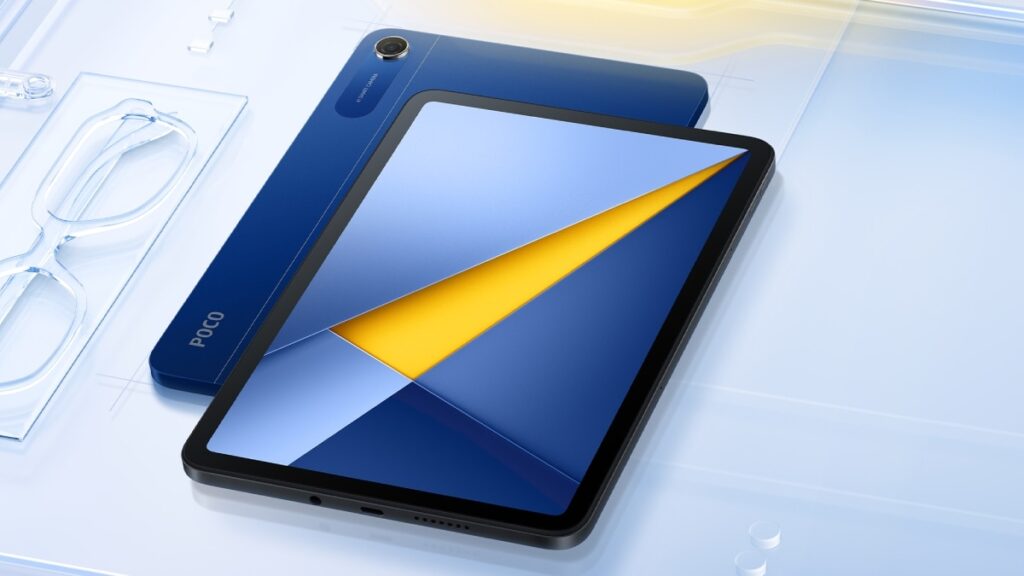
Table of Contents
A New Play for the Budget Segment
Poco is diversifying its portfolio beyond smartphones with the unveiling of the Poco Pad C1. While the brand has traditionally carved out a niche for high-performance-to-price ratio handsets, the Pad C1 represents a calculated move into the entry-level tablet space, prioritizing media consumption and basic productivity over raw computing power.
The device centers around a 9.7-inch display with a 2K resolution. In a move that deviates from the typical budget tablet experience—where 60Hz is the standard—Poco has implemented a 120Hz refresh rate. This should provide a noticeably smoother experience during UI navigation and scrolling, though the impact on battery life will depend heavily on how the system manages the adaptive refresh rate under HyperOS 3.
The Silicon: Balancing Power and Efficiency
Under the hood, the Pad C1 is powered by the Snapdragon 6s 4G Gen 2. It is important to note the “4G” designation here; by opting for a 4G-capable chipset rather than a 5G variant, Poco is likely keeping the bill of materials low to ensure a competitive retail price. The 6s Gen 2 is designed for efficiency and stability rather than gaming benchmarks, making it a fitting choice for a device intended for streaming and light multitasking.
Memory configurations are modest, with the tablet available in two variants: 4GB RAM with 64GB storage, and a stepped-up 6GB RAM with 128GB storage. While 4GB may feel restrictive for heavy multitasking in 2024, the inclusion of a microSD slot supporting up to 2TB of expandable storage mitigates the limited onboard capacity for users with large media libraries.
Build and Endurance
Unlike many entry-level tablets that rely on plastic chassis to save costs, the Pad C1 features a metal unibody design. This not only improves the structural rigidity of the 9.7-inch frame but also provides a more premium tactile feel, aligning it with the design language seen in Xiaomi’s broader ecosystem.
Powering the hardware is a 7,600mAh battery. While not the largest in the industry, it is appropriately sized for a sub-10-inch screen. Coupled with the power-efficient Snapdragon 6 series, the device should comfortably handle a full day of mixed usage. Charging is handled via a USB Type-C port, though Poco has not yet detailed the exact fast-charging wattage supported by the internal circuitry.
Software and Ecosystem
The tablet ships with Xiaomi HyperOS 3, the latest evolution of the company’s software stack. HyperOS focuses heavily on interconnectivity between devices, meaning the Pad C1 will likely integrate seamlessly with other Poco or Xiaomi products. The software experience is rounded out with AI-driven face unlock for biometric security and stereo speakers designed to enhance the 2K viewing experience.
Current listings on the official Poco website and accompanying product documentation confirm the device will be available in Blue and Grey. However, the company has remained tight-lipped regarding the global pricing strategy and specific regional launch dates. Given the specifications, the Pad C1 is expected to sit comfortably below the price point of the more premium Pad 6 series, targeting students and casual users.


