Poco Targets Budget Education Market With New Pad C1 Tablet
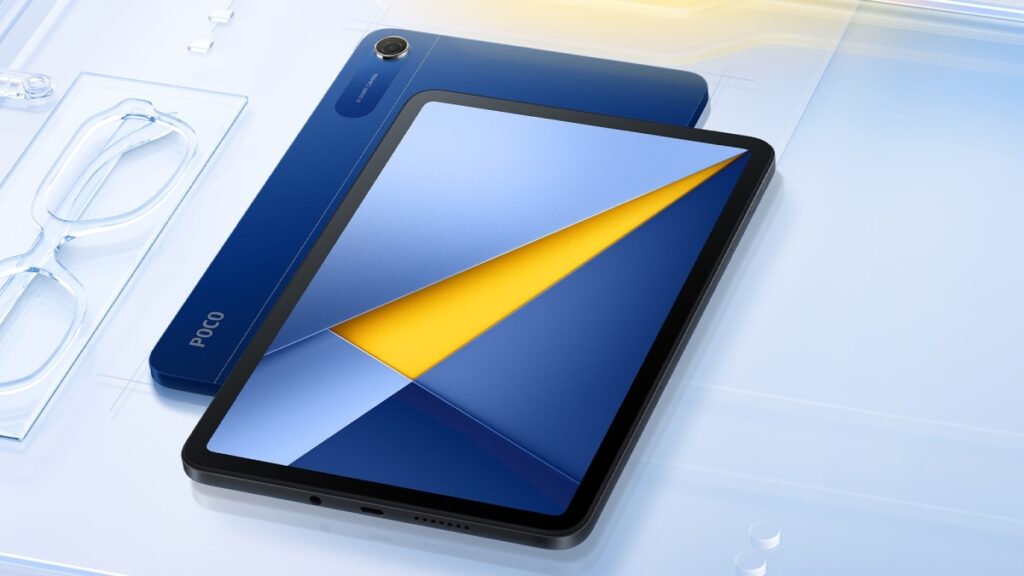
Table of Contents
A strategic pivot toward the entry-level tablet space
Poco is expanding its hardware footprint beyond the aggressive smartphone market with the unveiling of the Poco Pad C1. While the brand has built its reputation on ‘flagship killers’ and high-performance specs for low prices, the Pad C1 represents a shift toward a more pragmatic, education-and-media-focused device. Based on official documentation and listings on the Poco website, the tablet is designed to bridge the gap between basic e-readers and high-end productivity tablets.
The most striking feature of the Pad C1 is its 9.7-inch 2K display. In a segment where budget tablets often compromise on resolution to save costs, the jump to 2K suggests Poco is eyeing users who prioritize streaming and digital reading. The addition of a 120Hz refresh rate is particularly noteworthy for a device in this tier; while not necessary for basic productivity, it ensures the UI feels fluid, reducing the stutter often associated with lower-end chipsets.
The hardware trade-off: Connectivity and Performance
Under the hood, the Pad C1 is powered by the Snapdragon 6s 4G Gen 2. The choice of a 4G-capable processor over 5G is a clear indicator of the device’s target price point. By opting for the 6s Gen 2, Poco is prioritizing stability and power efficiency over raw speed. This chipset is well-suited for multitasking between light apps, but it won’t be pushing high-end gaming titles at max settings.
The memory configurations are modest, with options for 4GB of RAM paired with 64GB of storage, or a slightly more capable 6GB of RAM with 128GB of storage. To mitigate the limited internal capacity, Poco has included a microSD slot supporting up to 2TB of expandable storage, a move that makes the device an attractive option for students carrying large PDF libraries or offline video content.
Battery life and the HyperOS ecosystem
To sustain the 120Hz panel, Poco has packed a substantial 7,600mAh battery into the chassis. This capacity should comfortably handle a full day of intermittent use, though the actual runtime will depend heavily on whether the user keeps the refresh rate locked at 120Hz or utilizes a dynamic setting. The device is wrapped in a metal unibody design, which provides a level of structural rigidity and a more premium hand-feel than the plastic shells common in the sub-$200 tablet category.
Software-wise, the Pad C1 runs on Xiaomi HyperOS. The integration of HyperOS is a strategic play, allowing the tablet to function as part of a wider ecosystem. If a user is already using a Poco or Xiaomi smartphone, the interconnectivity—such as shared clipboards or easy file transfers—adds a layer of utility that raw hardware specs cannot provide. The tablet also includes AI-driven face unlock for quicker access and stereo speakers to support its role as a media consumption hub.
Market positioning and the waiting game
Despite the detailed product PDF and official website listing, Poco has remained tight-lipped regarding the price and official launch dates. There is currently no confirmation on which regions will receive the Pad C1 first, though historical patterns suggest a rollout starting in Asia before moving toward European and Latin American markets.
The Pad C1 enters a crowded field where it must compete not only with other Xiaomi-branded tablets but also with Samsung’s Galaxy Tab A series and Lenovo’s budget offerings. By combining a high-resolution 120Hz screen with a metal build, Poco is betting that ‘premium feel’ and ‘visual quality’ will outweigh the lack of 5G connectivity for the average casual user.


