Poco Expands Tablet Portfolio With Budget-Focused Pad C1
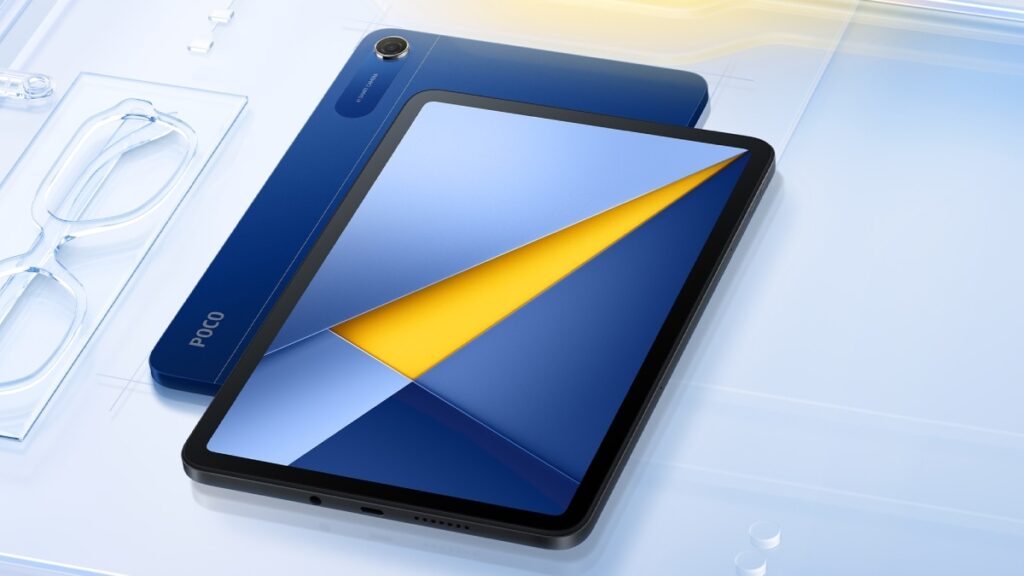
Table of Contents
A New Entry in the Budget Segment
Poco is diversifying its hardware lineup with the introduction of the Poco Pad C1, a device that appears designed specifically for light productivity and media consumption. While the brand has previously leaned heavily into high-performance smartphones, the Pad C1 signals a strategic move toward the entry-level tablet market, targeting users who need a larger screen without the premium price tag of a Pro-grade device.
The device centers around a 9.7-inch 2K display. In a market where budget tablets often settle for lower resolutions or sluggish refresh rates, Poco has opted for a 120Hz refresh rate, which should provide a noticeably smoother experience during UI navigation and scrolling. The chassis is constructed from a metal unibody, a design choice that provides a more premium feel and better thermal dissipation than the plastic shells commonly found in this price bracket.
Under the Hood: Balancing Performance and Efficiency
Powering the Pad C1 is the Snapdragon 6s 4G Gen 2 chipset. It is important to note the “4G” designation here; Poco is clearly positioning this as a value-driven device rather than a cutting-edge connectivity hub. The 6s Gen 2 is built for efficiency and stability rather than raw power, making it suitable for streaming, web browsing, and basic multitasking, but likely to struggle with intensive gaming or heavy video editing.
Memory configurations are modest, with the tablet available in two primary variants: a 4GB RAM and 64GB storage base model, and a slightly more capable 6GB RAM and 128GB storage version. To mitigate the limited internal storage, Poco has included a microSD slot supporting up to 2TB of expandable storage, a critical feature for users storing large libraries of offline movies or documents.
Battery Life and Software Integration
One of the more competitive specs is the 7,600mAh battery. Given the efficiency of the Snapdragon 6-series silicon, this capacity should easily push the device through several days of light use. Charging is handled via USB Type-C, though specific fast-charging wattages have not been detailed in the current product documentation.
On the software side, the Pad C1 ships with Xiaomi HyperOS 3. This is a significant detail, as HyperOS is designed to create a more seamless ecosystem between Xiaomi-branded phones, tablets, and wearables. The inclusion of AI-driven face unlock suggests that Poco is bringing some of its higher-end biometric software down to the budget tier, ensuring the device feels modern despite its modest internals.
Market Positioning and Availability
The Poco Pad C1 will be available in Blue and Grey colorways. However, there is a lingering question regarding its global footprint. While the specifications were revealed via the official Poco website and accompanying product PDFs, the company has remained tight-lipped regarding pricing and specific regional launch dates.
This cautious rollout suggests that Poco may be testing the waters in specific markets before a wider global release. If priced aggressively, the Pad C1 could put significant pressure on the lower-end offerings from Samsung’s Galaxy Tab A series or Lenovo’s budget tablets, offering a higher refresh rate and better build materials at a similar or lower price point.


