Pentagon Inspector General Launches Probe Into ‘Drug Boat’ Strikes Amid Rising Casualty Toll
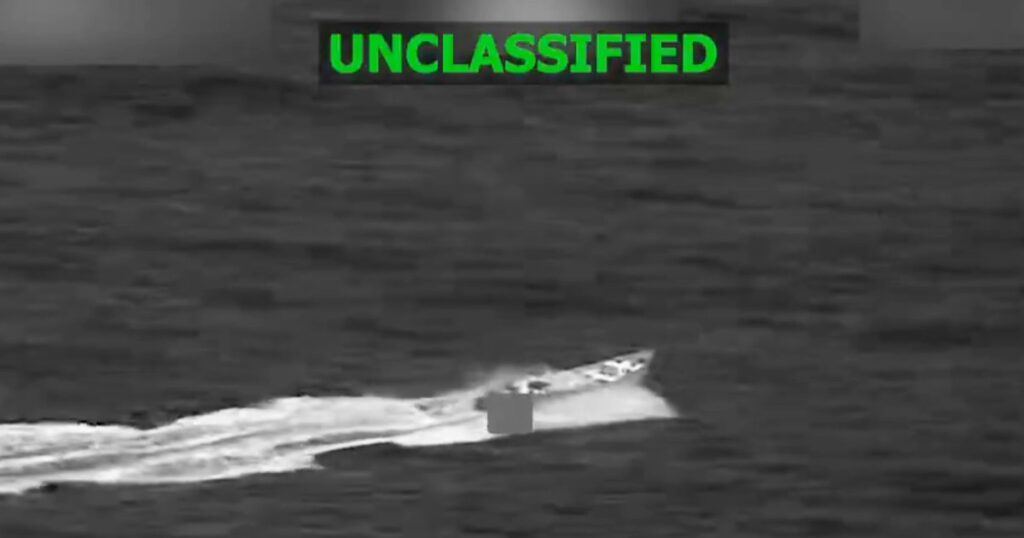
Table of Contents
A New Strike in the Eastern Pacific
U.S. Southern Command released footage Tuesday showing the violent destruction of a vessel suspected of transporting narcotics in the eastern Pacific Ocean. The video, disseminated via social media, depicts a high-speed boat being intercepted and struck, resulting in a massive explosion and immediate fire. Of the crew on board, one man was killed, while two others survived the blast.
Following the strike, Southern Command stated it immediately coordinated with the U.S. Coast Guard to activate Search and Rescue (SAR) protocols to retrieve the survivors. This incident is the latest in a series of aggressive kinetic operations targeting alleged drug-trafficking conduits in Latin American waters, spanning both the Caribbean Sea and the eastern Pacific.
The Targeting Framework Under Scrutiny
The scale of these operations has triggered a self-initiated review by the Pentagon’s inspector general. The watchdog is specifically evaluating whether the U.S. military adhered to the Joint Targeting Cycle, the rigorous six-phase process designed to ensure strikes are justified, precise, and legal. This framework consists of commander’s intent, target development, analysis, decision, execution, and final assessment.
The decision to review the targeting process comes as legal scholars and Democratic lawmakers raise alarms over the lack of transparent evidence. Since early September, this campaign has resulted in at least 194 deaths. Critically, the military has yet to produce public evidence or seized cargo manifests proving that the destroyed vessels were actually transporting narcotics at the time of the strikes.
While the inspector general’s office is examining the operational adherence to the targeting cycle, it has clarified that the review will not extend to the legal validity of the strikes themselves. This distinction leaves a significant gap in accountability, as the legality of conducting lethal strikes in international or foreign waters against non-state actors—without formal declarations of war—remains a point of intense contention among military legal experts.
The Strategy of ‘War’ on Cartels
The Trump administration has framed these operations not as standard interdiction missions, but as a state of war against Latin American drug cartels. The administration argues that these organizations are the primary drivers of the fatal drug overdose epidemic currently devastating American communities, justifying a shift from traditional “seize and arrest” tactics to high-lethality kinetic strikes.
However, the transition to a combat-centric approach in the Pacific and Caribbean has created a volatile precedent. Traditionally, the U.S. Coast Guard and Navy focused on boarding and seizure operations to gather intelligence and disrupt supply chains. The current strategy prioritizes the immediate destruction of the asset, which critics argue eliminates the possibility of intelligence gathering and risks the lives of low-level crew members who may not be high-ranking cartel members.
As the Pentagon watchdog continues its assessment of the Joint Targeting Cycle, the tension between the administration’s “war” rhetoric and the military’s established rules of engagement remains unresolved. For now, the focus remains on whether the machinery of the U.S. military is operating within its own guidelines, even as the casualty count continues to climb in the eastern Pacific.


