Oppo Find X10 Pro Leak: Dual 200MP Sensors and MediaTek Dimensity Integration
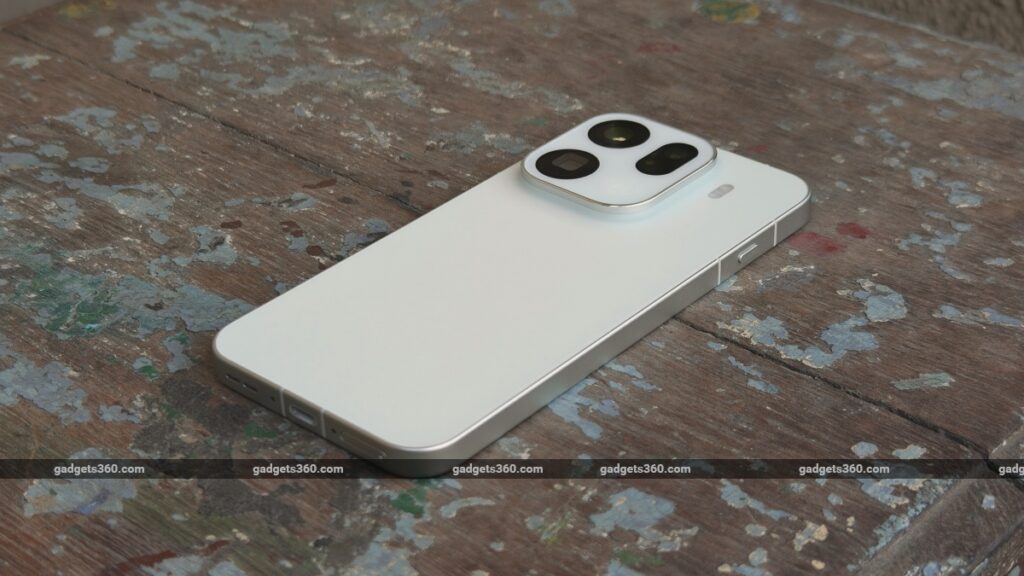
Table of Contents
The Race for Megapixel Supremacy: Decoding the Oppo Find X10 Pro
The mobile imaging landscape is currently locked in a war of attrition, where the battle is fought not just with software, but with physical sensor size and pixel density. The latest intelligence surrounding the Oppo Find X10 Pro suggests that Oppo is preparing to double down on this strategy, potentially deploying a dual 200-megapixel sensor configuration that would push the boundaries of current smartphone optics.
- Extreme Resolution: Leaks indicate a primary 1/1.3-inch 200MP sensor, with hints of a second high-resolution lens.
- Display Tech: A 6.78-inch LTPO panel with 1.5K resolution, utilizing a new Tianma substrate.
- Processing Power: Likely integration of a next-generation MediaTek Dimensity chipset.
- Design: Engineering samples show narrowed bezels and refined rounded corners for better ergonomics.
These details emerged via Digital Chat Station, a Weibo-based leaker with a consistent track record for accuracy regarding Chinese OEM hardware. While the post did not explicitly name the device, the convergence of specs aligns perfectly with the expected trajectory of the Find X series, specifically the Pro model designed to compete with the likes of the Samsung Galaxy S-series Ultra and Xiaomi’s Ultra line.
Breaking Down the 200MP Sensor Strategy
To understand why a 200MP sensor matters, we have to look past the marketing numbers. In mobile photography, pixel binning is the critical mechanism. A 200MP sensor doesn’t typically take a 200MP photo for daily use; instead, it groups 16 pixels into one “super pixel,” resulting in a high-quality 12.5MP image with significantly better light gathering and reduced noise.
The reported 1/1.3-inch sensor size is a pivotal detail. While not as large as the 1-inch sensors found in some specialized photography phones, it represents a sophisticated balance between physical thickness and light sensitivity. If Oppo indeed implements a dual 200MP setup, it would solve one of the industry’s biggest headaches: the disparity in quality between the main wide-angle lens and the telephoto or ultra-wide lenses.
The Technical Challenge of Dual High-Res Sensors
Integrating two 200MP sensors creates immense pressure on the Image Signal Processor (ISP). Processing 200 million pixels per frame requires massive computational overhead. This is likely why the choice of chipset is so critical. Whether Oppo opts for the latest Dimensity 9000-series successor or a Qualcomm Snapdragon 8 Gen variant, the ISP will need to handle massive data throughput to avoid “shutter lag”—the delay between pressing the button and the photo being captured.
Display Engineering: The Role of Tianma and LTPO
The leak specifies a 6.78-inch LTPO (Low-Temperature Polycrystalline Oxide) display with a 1.5K resolution. For the non-technical reader, LTPO is the technology that allows a screen to dynamically change its refresh rate (e.g., from 1Hz to 120Hz). This preserves battery life by dropping the refresh rate during static tasks like reading an e-book and ramping it up for gaming.
Of particular interest is the mention of a new-generation Tianma display substrate. Tianma is a major player in the OLED space, and a new substrate usually implies better energy efficiency, higher peak brightness, or improved color accuracy. By moving toward a 1.5K resolution, Oppo is targeting the “sweet spot”—offering a sharpness that is indistinguishable from 4K on a 6-inch screen while avoiding the battery drain associated with full QHD+ panels.
Recent data from display analysts indicates that 1.5K resolution panels consume approximately 15-20% less power than 2K (QHD+) panels while maintaining a perceived pixel density (PPI) that exceeds the human eye’s limit for spotting individual pixels at a standard 12-inch viewing distance.
Performance: Why MediaTek Dimensity?
The possibility of a MediaTek Dimensity chipset in the Find X10 Pro signals a strategic shift. Historically, the “Pro” models were reserved for Qualcomm’s Snapdragon 8 series. However, MediaTek’s Dimensity chips have closed the gap in terms of raw CPU performance and, more importantly, modem efficiency.
Using a Dimensity chipset allows Oppo to optimize the hardware-software integration more closely, potentially leading to better thermal management. High-resolution 200MP processing generates significant heat; a chipset with a more efficient thermal profile is essential to prevent the phone from throttling during long 4K video recording sessions.
What This Means for the End User
For the average consumer, the transition to the Oppo Find X10 Pro isn’t just about a higher number of megapixels. It represents a shift toward consistent imaging. When a phone has one great camera and three mediocre ones, the user experience is fragmented. A dual high-res approach suggests that zooming in or switching to ultra-wide will no longer result in a noticeable drop in detail.
Additionally, the focus on a new Tianma substrate and 1.5K resolution means users can expect a display that is brighter under direct sunlight and gentler on the battery, extending the device’s usable life between charges.
Comparative Analysis: Find X10 Pro vs. Predecessors
| Feature | Find X9 Pro (Estimated) | Find X10 Pro (Leaked) | Impact |
|---|---|---|---|
| Main Sensor | 50MP – 108MP | 200MP (1/1.3″) | Higher detail & better cropping |
| Secondary Sensor | Variable | Potential 200MP | Consistent quality across lenses |
| Display | QHD+ / AMOLED | 1.5K LTPO (Tianma) | Improved efficiency/brightness |
| Chipset | Snapdragon / Dimensity | Next-Gen Dimensity | Optimized thermal processing |
The Veracity of the Leaks
It is important to note that these specifications stem from engineering samples. In the smartphone industry, “engineering samples” are prototype devices used for testing. It is common for manufacturers to test multiple configurations—such as different sensors or chipsets—before finalizing the retail version. While Digital Chat Station is highly reliable, there is always a possibility that Oppo may pivot to a different sensor size or chipset based on final yield rates and cost analysis.
Potential Limitations
One concern with 200MP sensors is the storage footprint. A single uncompressed 200MP image can take up significantly more space than a 12MP one. Unless Oppo implements aggressive HEIF (High Efficiency Image File) compression or pushes for standard 512GB/1TB base storage, users may find their cloud storage filling up rapidly.
Frequently Asked Questions
When will the Oppo Find X10 Pro be released?
While Oppo has not officially announced a date, leaked timelines suggest a late 2025 or early 2026 launch, following the typical cycle of the Find series flagships.
Is a 200MP camera actually better than a 50MP camera?
Not necessarily. Resolution is only one part of the equation. Sensor size and lens quality are more important. However, 200MP allows for significantly more flexibility when cropping into a photo without losing clarity.
What is a 1.5K display?
A 1.5K display sits between Full HD (1080p) and Quad HD (1440p). It provides a higher pixel density than 1080p for a sharper image but uses less power than a full 2K screen.
Will the Find X10 Pro support fast charging?
Although not explicitly mentioned in this specific leak, Oppo’s Find series traditionally leads the industry in SuperVOOC charging speeds, and it is highly likely the X10 Pro will maintain or exceed previous speeds.
Does the use of a MediaTek chip mean it’s less powerful than Snapdragon?
No. Recent Dimensity flagship chips have performed equivalently to Snapdragon in most benchmarks. The choice often comes down to power efficiency and specific AI processing capabilities.
Ultimately, the Oppo Find X10 Pro looks to be a device that prioritizes the convergence of professional-grade photography and efficient display technology. If the dual 200MP claim holds true, it will set a new benchmark for the industry, forcing competitors to rethink how they balance sensor resolution with computational power.