Oppo Find N7 Leaks Reveal a Shift Toward Wide-Screen Foldables and 2nm Silicon
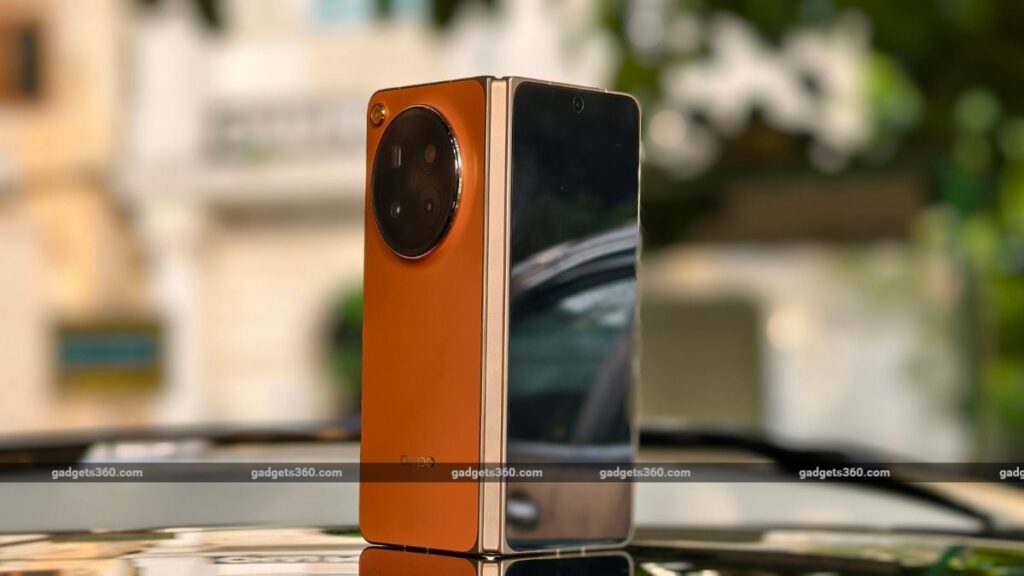
Table of Contents
The Pivot Toward a Wider Canvas
For years, the foldable market has been locked in a battle of narrow rectangles. The standard ‘book-style’ foldable typically mimics a small tablet, but the aspect ratio often feels restrictive for productivity—too wide for a phone, too narrow for a laptop replacement. However, a new wave of leaks suggests that the industry is pivoting toward a ‘wide-screen’ philosophy. The latest evidence comes from the Oppo Find N7, which appears to be stepping away from traditional dimensions to embrace a more expansive, productivity-focused layout.
Recent reports from renowned industry leaker Digital Chat Station on Weibo indicate that Oppo is not just iterating on the Find N series, but fundamentally redesigning the chassis. This shift coincides with rumored movements from Samsung and Apple, signaling a broader industry consensus: the 4:3 or 3:2 aspect ratio is the future of the foldable, moving away from the elongated shapes that have dominated since the first Galaxy Fold.
- Wider Form Factor: The Find N7 is expected to move toward a wide-screen ratio, improving multitasking and media consumption.
- 2nm Efficiency: Rumors point to the use of Qualcomm’s upcoming 2nm Snapdragon 8 Elite Gen 6 series, promising massive leaps in power efficiency.
- Display Tech: A 7.6-inch internal pane and 5.5-inch cover screen, potentially sourced from Samsung Display or BOE.
- Hinge Innovation: A new seamless hinge mechanism designed to virtually eliminate the display crease.
Analyzing the Hardware: 2nm Silicon and Thermal Management
The most striking technical detail in the Find N7 leak is the mention of a 2nm Snapdragon 8 Elite Gen 6 series chipset. To put this in perspective, current flagships are utilizing 3nm or 4nm processes. Moving to 2nm is not merely a marginal upgrade; it is a foundational shift in transistor density and power leakage control.
In a foldable device, thermal management is the primary engineering hurdle. Because the motherboard is often split across the hinge or crammed into a thin chassis, heat dissipation is significantly more difficult than in a standard slab phone. A 2nm process allows the chip to maintain higher peak performance for longer durations without hitting the thermal throttle limit. This is critical for the ‘wide-screen’ experience, where users are expected to run three or more apps simultaneously in a desktop-like environment.
The Display Equation: Samsung vs. BOE
The reported 7.6-inch inner display places the Find N7 in direct competition with the Pixel Fold and the Galaxy Z Fold series. However, the source of the panel—be it Samsung Display or BOE—will dictate the device’s final quality. Samsung Display is the gold standard for LTPO technology and crease management, but BOE has made aggressive strides in reducing the ‘dip’ at the center of the screen, often offering more competitive pricing for OEMs.
| Component | Reported Specification | Industry Context |
|---|---|---|
| Internal Display | 7.6-inch Wide-Screen | Shift toward 4:3 productivity ratio |
| Cover Screen | 5.5-inch | Optimized for one-handed usage |
| Processor | Snapdragon 8 Elite Gen 6 (2nm) | Next-gen power efficiency and AI processing |
| Hinge | New-gen Seamless Hinge | Focus on zero-crease visibility |
What This Means for the End User
For the average consumer, the ‘wide-screen’ trend is about ergonomics. Current foldables often feel like a compromise; the cover screen is too narrow, and the inner screen feels like a square. By widening the ratio, Oppo is effectively turning the Find N7 into a pocketable workstation.
This change allows for a more natural ‘split-screen’ experience. Imagine having a video call on one side and a full-sized spreadsheet on the other, without the interface feeling cramped. Furthermore, the inclusion of 2nm silicon means that these power-hungry multitasking sessions won’t drain the battery in three hours. We are seeing a transition from foldables as ‘luxury gadgets’ to foldables as ‘primary computing devices.’
The Hinge War: Solving the Crease
The leak emphasizes a ‘new generation seamless hinge.’ While every manufacturer claims their hinge is the best, the engineering reality involves the radius of the fold. A wider screen creates more tension across the center of the display. To combat this, Oppo is likely implementing a water-drop hinge variant that allows the screen to tuck more deeply into the chassis, reducing the stress on the OLED layers.
This is a critical move because the ‘crease’ remains the number one complaint in user surveys regarding foldable adoption. If Oppo can deliver a truly seamless surface on a wider screen, they remove one of the final psychological barriers preventing slab-phone users from switching.
The Competitive Landscape: Samsung and Apple’s Shadow
Oppo is not acting in a vacuum. Samsung has been testing ‘Slim’ and ‘Ultra’ variants of the Fold that experiment with different ratios. Meanwhile, Apple’s rumored entry into the market—likely a foldable iPad-iPhone hybrid—is expected to prioritize a wide, tablet-like canvas.
By targeting a 2027 launch window, Oppo is playing the long game. They are waiting for the 2nm process to mature and for the wide-screen form factor to become the industry standard. If they launch too early with a niche ratio, they risk alienating users; if they launch too late, they lose the ‘first-mover’ advantage to Apple.
Technical FAQ
How does a 2nm chip improve a foldable phone?
A 2nm process reduces the size of transistors, allowing more of them to fit on a chip. This results in lower power consumption and less heat. In foldables, where space for cooling systems is limited, this efficiency is vital for preventing overheating during heavy multitasking.
What is a ‘wide-screen’ foldable?
Traditional foldables are often tall and narrow. A wide-screen foldable adjusts the aspect ratio to be broader, making it feel more like a mini-tablet. This is better for reading documents, editing photos, and side-by-side app usage.
Why is the hinge so important for the Find N7?
Wider screens put more lateral pressure on the folding mechanism. A ‘seamless’ hinge prevents the material from fatiguing, which reduces the visible crease and extends the lifespan of the flexible OLED panel.
Who is Digital Chat Station and are these leaks reliable?
Digital Chat Station is a highly regarded Weibo leaker with a strong track record for accurate hardware specifications regarding Chinese OEMs like Oppo, Xiaomi, and Vivo. While not official, these leaks often precede official announcements by several months.
Will the Find N7 be available globally?
Historically, the Find N series has had limited global availability compared to the Reno series. However, as the foldable market grows, it is likely Oppo will push for a wider release in Europe and Asia to compete with Samsung.
Concluding the Analysis
The leaked specifications of the Oppo Find N7 represent more than just a spec bump. They signal a strategic pivot toward a more utilitarian, wide-screen philosophy backed by the next leap in semiconductor physics. While a 2027 timeline seems distant, the integration of 2nm silicon and a revised aspect ratio suggests that Oppo is designing a device intended to replace the laptop for a significant portion of the mobile workforce. The success of the Find N7 will ultimately depend on whether they can actually deliver on the promise of a crease-free, wide-canvas experience.