Nvidia’s RTX Spark SoC: The Hidden Catalyst for the Next Generation of Gaming Handhelds
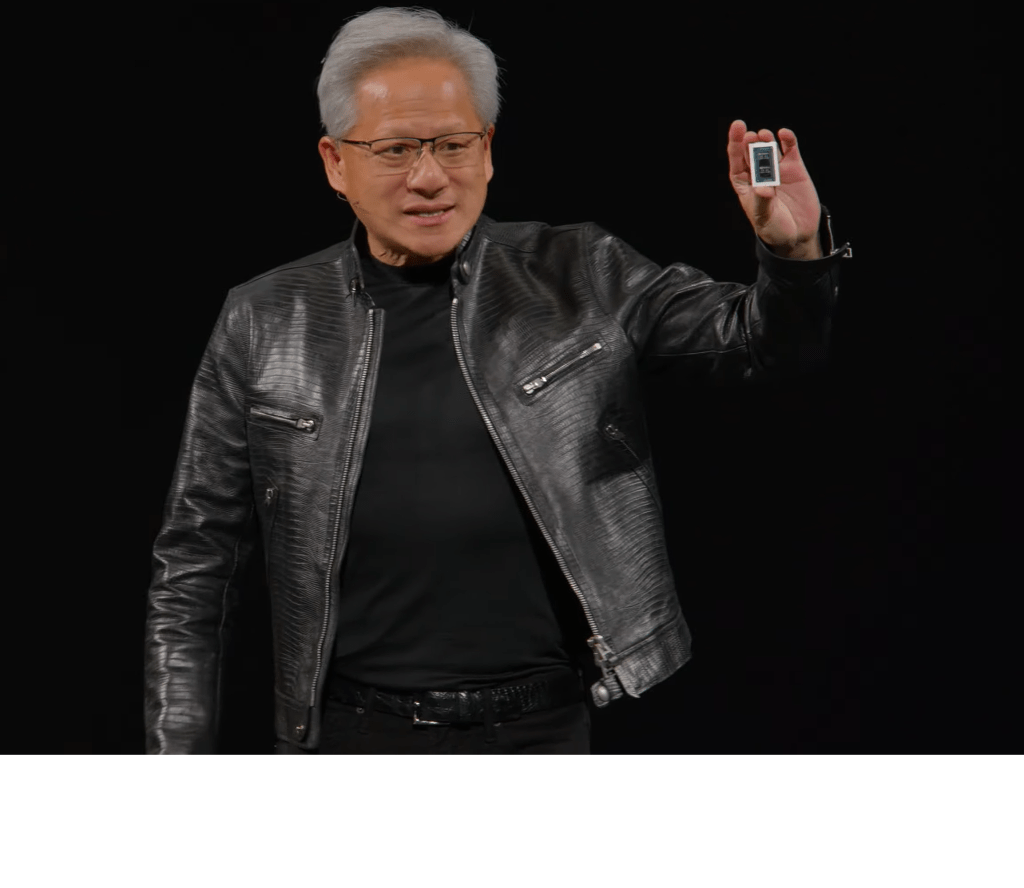
Table of Contents
Beyond the AI Agent: The Hardware Reality of RTX Spark
At Computex, Nvidia shifted its narrative toward the “personal AI agent era,” unveiling RTX Spark as the silicon foundation for a new wave of Windows ultraportables. CEO Jensen Huang’s vision is clear: a world where on-device agents handle complex tasks autonomously. However, for those of us tracking the trajectory of mobile gaming and compact computing, the AI agent pitch is secondary to the raw specifications of the hardware itself.
RTX Spark isn’t just another chip; it is a sophisticated System-on-Chip (SoC) that integrates a 20-core Nvidia Grace CPU with a Blackwell-based RTX GPU featuring 6,144 CUDA cores. For context, that core count mirrors the desktop GeForce RTX 5070. By linking these two powerhouses via Nvidia’s proprietary NVLINK—a high-bandwidth interconnect that outperforms traditional PCI Express lanes—Nvidia is essentially attempting to shrink the gap between ultra-portable form factors and enthusiast-grade performance.
While these chips are slated for laptops and mini-PCs arriving by late 2026, the architecture suggests a much more disruptive application: the high-end gaming handheld market.
The DLSS 4.5 Advantage in Small Form Factors
The most significant technical takeaway for gamers is the integration of DLSS 4.5. While the industry has been buzzing about the generative AI capabilities of DLSS 5—which some early testers have criticized as producing “AI slop” by over-processing visuals—RTX Spark focuses on the stability and efficiency of version 4.5. This includes Dynamic Multi-Frame Generation, Super Resolution, and Ray Reconstruction.
Currently, the handheld PC market is dominated by AMD Ryzen SoCs, powering everything from the Steam Deck to the Asus ROG Ally X and Lenovo Legion Go. While AMD’s FSR (FidelityFX Super Resolution) is a capable alternative, it has historically struggled to match the visual fidelity and frame-stability of Nvidia’s DLSS. In a recent large-scale community survey conducted by the German outlet ComputerBase, a significant majority of users preferred DLSS 4.5 over FSR 4 across six different titles, often noting that the Nvidia upscaling looked superior even to native resolution.
For a handheld device, where battery life and thermal constraints force a compromise on native resolution, the ability to use DLSS 4.5 to effectively double framerates without introducing significant artifacts is a critical advantage. It transforms a handheld from a device that “can run” a game into one that can actually deliver a fluid, high-fidelity experience.
Shifting the Handheld Power Balance
Until now, the only handheld leveraging Nvidia’s custom silicon at scale has been the Nintendo Switch family, via the Tegra SoC. However, the Switch operates in a different performance tier. The introduction of RTX Spark into the ecosystem would place Nvidia in direct competition with AMD in the “handheld PC” category, potentially offering a level of performance that could make AAA titles like Cyberpunk 2077 or the upcoming 007 project playable at 60+ FPS on the go.
The transition to a Grace CPU and Blackwell GPU architecture means that any manufacturer—be it Valve, Asus, or a new startup—could theoretically build a device that bypasses the current bottlenecks of mobile gaming. The integration of up to 128GB of memory within the SoC further suggests that these devices won’t be hampered by the memory bandwidth issues that often plague integrated graphics.
Nvidia has officially confirmed that RTX Spark will target laptops and mini-PCs through 2026, but the industry trajectory suggests handhelds are the inevitable next step. If the performance gains translate from the 14-inch laptop to a 7-inch screen, the landscape of portable gaming is about to shift from “compromised performance” to something resembling a portable powerhouse.


