Nuro’s Bet on the ‘Second Mover’ Advantage in the Robotaxi Race
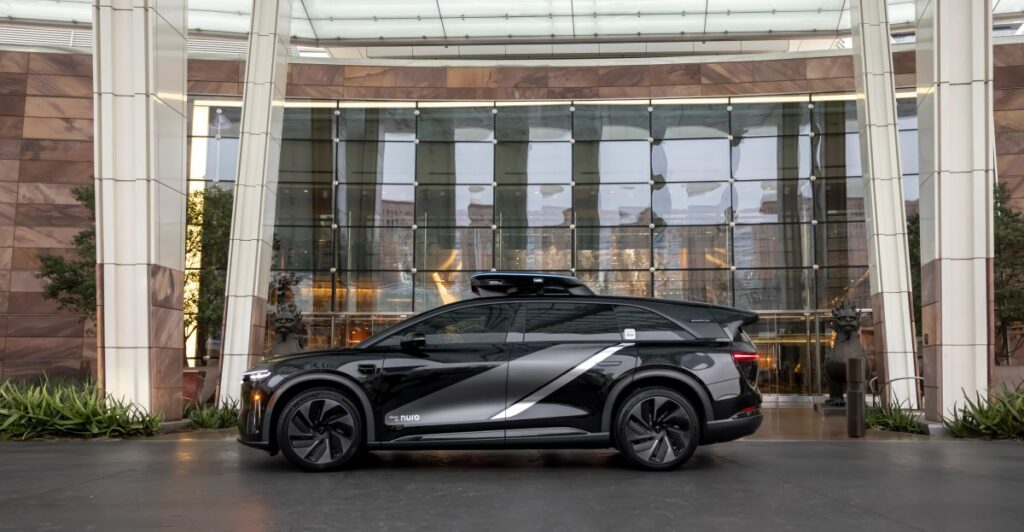
Table of Contents
The Strategy of Following
In the high-stakes race for autonomous ride-hailing, Waymo is the undisputed frontrunner. With a fleet of over 3,000 driverless vehicles operating across ten U.S. cities, the Alphabet-owned company has spent years absorbing the friction of real-world deployment. For most competitors, being second or third is a precarious position. For Nuro, however, it is a strategic choice.
After spending years focused on the niche of autonomous delivery, Nuro is pivoting toward the passenger market. The company believes that by entering the robotaxi space now, it can bypass the expensive trial-and-error phase that Waymo has already endured. By analyzing Waymo’s successes and, more importantly, its public stumbles, Nuro intends to refine its own systems before a full-scale launch.
“There is a lot of value in this sort of classic second mover perspective,” said Dave Ferguson, cofounder and co-CEO of Nuro. Ferguson, a veteran of the original Google self-driving project, notes that Nuro uses Waymo’s operational challenges as a benchmark to ‘kick the tires’ on their own software, ensuring their vehicles behave in a way the company is comfortable with before they hit the streets of San Francisco later this year.
A Three-Way Alliance
Nuro’s approach to scaling isn’t just about software; it’s about a unique industrial partnership. Rather than building its own vehicle from the ground up or retrofitting existing cars, Nuro has formed a triad with Uber and Lucid Motors.
The arrangement is a tightly integrated pipeline: Nuro provides the sensing and compute stack, which is integrated directly into the Lucid Gravity SUV on the production line. This ensures that the vehicles leave the factory with Level 4 autonomy already baked into the chassis. Once produced, these vehicles are sold to Uber, which takes on the role of owner and operator, managing the physical depots and the logistical infrastructure required to keep a fleet moving.
This separation of concerns allows Nuro to focus on the AI driving system while Uber handles the complex task of fleet management. It is a departure from the vertically integrated model favored by Tesla, where the hardware, software, and network are all controlled by a single entity.
Redefining the ‘Human in the Loop’
As Nuro prepares for its San Francisco debut, the company is also navigating the political and public scrutiny surrounding ‘remote assistance.’ Recent congressional inquiries have pressed Waymo and other operators to be more transparent about the humans overseeing these driverless cars, leading to a public perception that remote workers are effectively ‘joysticking’ the cars from a distance.
Ferguson is quick to dismiss this image. He argues that remote assistance is not about active driving, but about providing a ‘prompt’ or answering a question when the AI encounters a scenario it cannot resolve autonomously. According to Ferguson, the idea of someone in a dark room playing a video game with a real car is a fundamental misunderstanding of how modern autonomous systems operate.
Beyond the Grocery Run
The pivot from delivery bots to passenger cars is a significant shift in mission, but Ferguson argues the underlying technology is highly transferable. While Waymo grew incrementally—starting with limited zones and slowly expanding—Nuro aims for a broader ‘operational design domain’ from day one. While they aren’t claiming they will cover the entire South Bay immediately, they intend for the service to be functionally useful immediately, rather than starting with a handful of protected intersections.
Long-term, Nuro views the robotaxi market as a proving ground for a more general AI driving system. By combining their older, rules-based machine learning with newer end-to-end learning models, the company hopes to achieve a more naturalistic driving style that can eventually be licensed to other automakers for advanced driver-assist systems.


