Nintendo’s Star Fox Remake is a High-Fidelity Litmus Test for the Franchise’s Survival
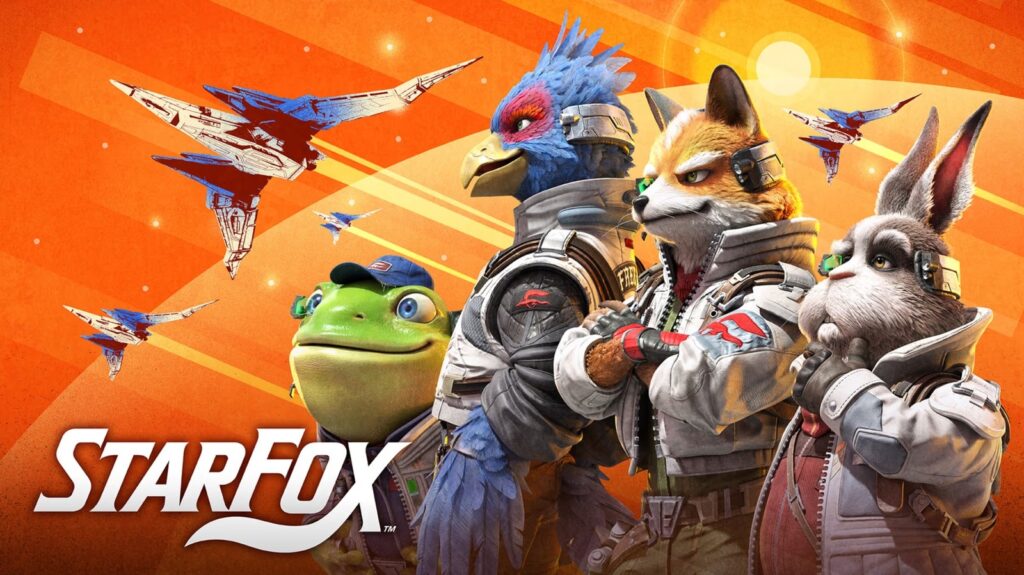
Table of Contents
The Return of a Dormant Icon
For over a decade, Fox McCloud has existed primarily as a legacy asset—a punchbag in Super Smash Bros. or a fleeting cameo in a cinematic universe. Despite being one of Nintendo’s most recognizable silhouettes, the Star Fox franchise has been effectively mothballed, leaving a void where a flagship space combat series once stood. That silence is finally breaking.
Having spent time with a preview build of the upcoming Star Fox remake, it is clear that Nintendo isn’t just polishing a classic; they are conducting a market experiment. By revisiting the series’ most acclaimed entry, Nintendo is gauging whether there is still an appetite for the rail-shooter genre before committing the resources required for a fully original sequel.
Visual Fidelity and the Nostalgia Trap
The most immediate shock is the aesthetic overhaul. Remakes often fall into the trap of ‘memory-matching’—creating a version of the game that reflects how we remember it rather than how it actually was. Nintendo has avoided this by pushing the hardware of the Switch 2 to deliver a look that surpasses the nostalgic haze. The Arwings feel weighty and detailed, and the cutscenes have been expanded with additional character interactions that lend a layer of narrative depth missing from the 1997 original.
Interestingly, the character design for Fox has shifted. Gone is the sanitized, ‘cutesy’ version seen in Super Mario Galaxy. Instead, Fox sports a more grizzled, veteran appearance that echoes the original Super Famicom box art, signaling a shift toward a slightly more mature tone for the franchise’s revival.
Precision vs. Tradition: The ‘Mouse’ Experiment
The most controversial addition is the implementation of a new control scheme utilizing the Switch 2’s evolved Joy-Cons. By placing the right controller sideways on a flat surface, players can engage a ‘mouse-style’ cursor, shifting the perspective from the traditional third-person chase cam to a first-person cockpit view.
This creates a significant shift in gameplay dynamics. The precision is undeniable, allowing for surgical strikes on enemy ships that were previously left to the randomness of the original’s locking system. It also introduces a cooperative element where one player pilots the ship while the other manages the weaponry. However, the novelty carries a steep learning curve. For those accustomed to the visceral snap of the shoulder buttons for a barrel roll, the mouse-mode can feel detached, making the classic button layout the preferred choice for veteran pilots.
Expanding the Scope
Nintendo has attempted to modernize the experience through expanded multiplayer. Beyond the standard dogfight arenas, a new objective-based mode resembling ‘capture the flag’ has been introduced. In a 4v4 scenario—blending human players with AI bots—teams compete to secure cargo from pirates and return it to their flagship.
While the mode is technically sound, it lacks the addictive depth of modern competitive shooters. It serves more as a social diversion than a legitimate attempt to pivot Star Fox into an eSport. Similarly, the integration of character-overlay avatars for Nintendo’s Game Chat—allowing users to mirror their facial expressions onto Fox or Falco—feels like a peripheral gimmick. While the tech is impressive, it’s unlikely to be the primary driver for a $50 purchase.
A Calculated Risk
Under the hood, the core loop remains unchanged. The rail-shooter formula is tight and responsive, but its simplicity is a double-edged sword. In an era of complex simulations like Armored Core VI, the linear nature of Star Fox may feel restrictive to younger audiences. Yet, there is an undeniable charm in that straightforwardness.
The remake is a polished, loving tribute, but it remains a test. Whether this release generates enough momentum to trigger a project like Donkey Kong: Bananza remains to be seen. For now, it is a high-fidelity bridge between a legendary past and an uncertain future.
Star Fox will launch as a digital download for $50, with physical cartridges retailing at $60, starting June 25.