NASA Hunts for New D.C. Headquarters Amid Commercial Real Estate Slump
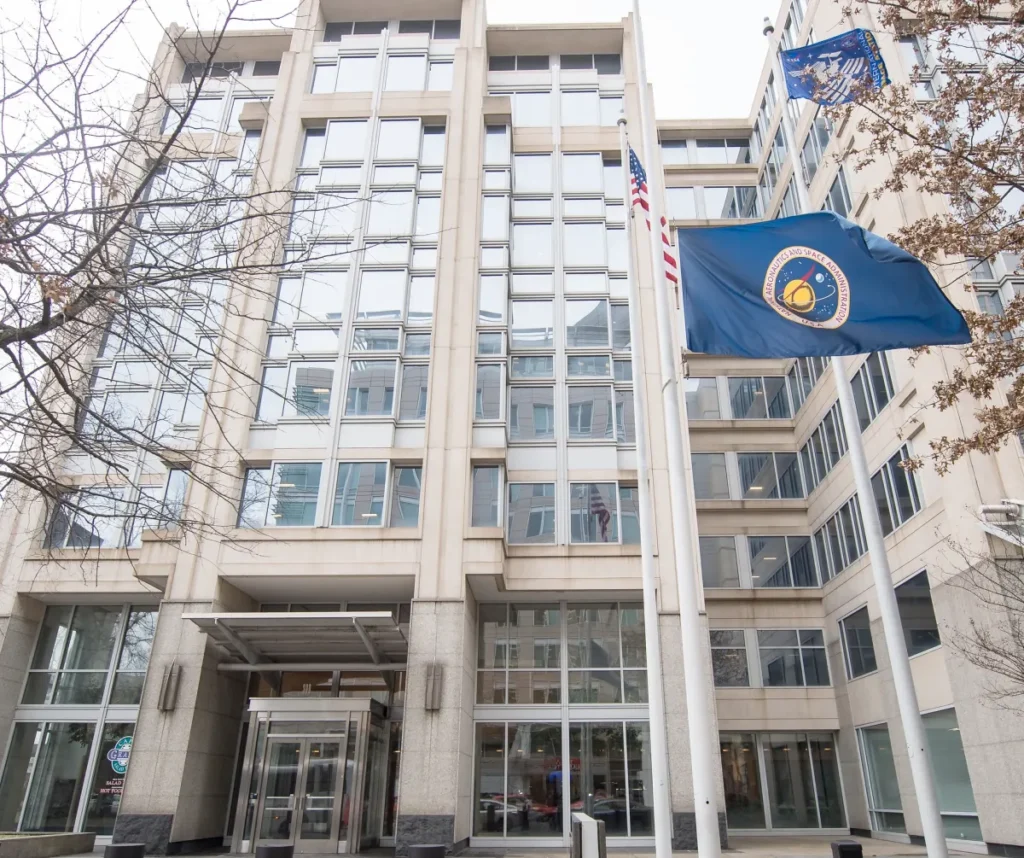
Table of Contents
The Clock is Ticking on a Three-Decade Lease
NASA is officially on the hunt for a new home. The agency, which has operated out of its current Washington D.C. headquarters for over 30 years, is facing a hard deadline as its lease expires in August 2028. While the timeline may seem distant, the logistical reality of moving a federal agency of this scale has left leadership feeling the pressure.
Dave Mitchell, recently appointed as the special assignment lead for the relocation, didn’t mince words during a National Academies meeting on June 3. “We’re up against it at this point in time,” Mitchell stated, emphasizing that the search for a new site is now a primary priority. The goal is to have a final selection made by the end of this year.
The search is being conducted in coordination with the General Services Administration (GSA). Mitchell has already begun the groundwork, reporting that he has toured between eight and ten commercial properties across the district. The process represents a shift in focus for the agency, moving from the complexities of orbital mechanics to the grit of D.C. commercial real estate.
Leveraging a ‘Depressed’ Market
The timing of NASA’s search coincides with a significant downturn in the D.C. office market. The rise of remote and hybrid work has left the city’s commercial core struggling, a trend that NASA intends to use to its advantage. Mitchell described the current environment as a “depressed” market, noting that it presents a unique window of opportunity for the agency, whether they decide to lease a new space or pursue an outright purchase.
Data supports this opportunistic stance. A report from real estate firm Cushman & Wakefield indicated that Washington’s commercial vacancy rate hit 23.2% in the first quarter of 2026, a climb from 21.6% the previous year. For a federal tenant, this shift transforms the power dynamic, creating a “tenant-favorable” environment where NASA can negotiate more aggressive terms and higher specifications for a lower price point.
A Strategy of Contraction
The move isn’t just about a change of address; it is a deliberate effort to shrink the agency’s physical footprint. NASA Administrator Jared Isaacman has made it clear in recent reorganization memos that the new headquarters must be “more efficient.” This aligns with a broader trend among federal agencies to reduce overhead and move away from massive, underutilized office blocks.
While Isaacman has not released specific figures on the projected square-footage reduction, the move will likely involve a redistribution of personnel. Some headquarters staff may be relocated to the Goddard Space Flight Center in Maryland. Mitchell suggested that this could be a win-win scenario, particularly for employees residing in the Maryland suburbs who would prefer a shorter commute over the trek into the city center.
NASA is also planning to invest in refurbishing existing facilities at Goddard to accommodate this influx of staff, signaling a shift toward a more decentralized operational model.
The Final Stretch at the Old Site
Paradoxically, as the agency prepares to exit its long-term home, it is spending money to polish it. On June 2, Administrator Isaacman unveiled a renovated lobby designed to be more accessible to the public. The updated space features interactive displays and spacecraft models, aiming to bridge the gap between the agency’s bureaucratic center and the public’s fascination with space exploration.
This cosmetic upgrade serves as a temporary bridge, ensuring the building remains a functional public face for NASA while the GSA and Mitchell’s team finalize a deal for a leaner, more modern facility by December.