MSI Leans Into AI Workflows With Prestige N16 Flip AI+ and RTX 50-Series Katana Refresh
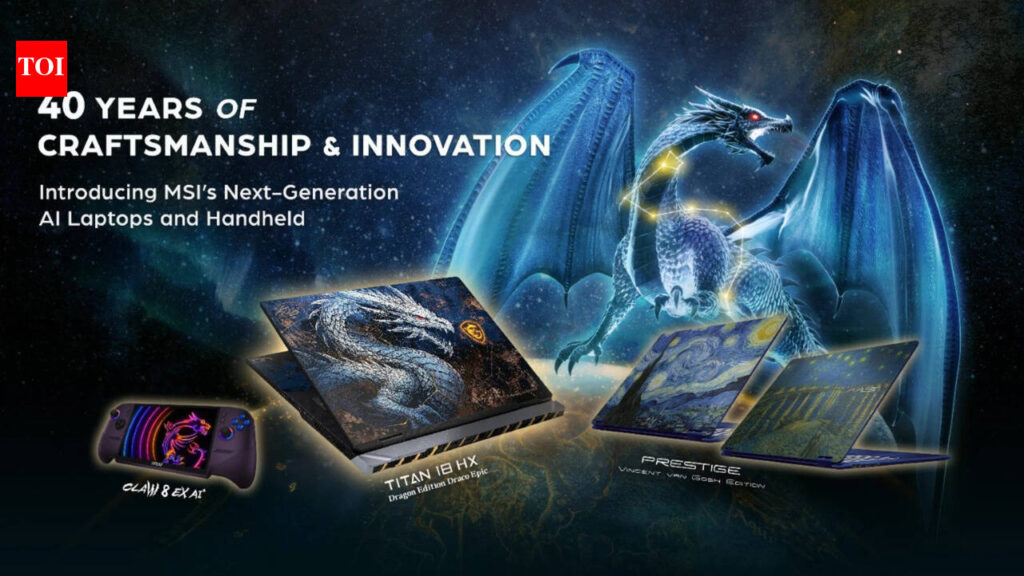
Table of Contents
A 40-Year Pivot Toward Neural Processing
MSI has spent four decades building a reputation on raw horsepower and aggressive cooling, but its showcase at Computex 2026 suggests a strategic pivot. Rather than simply chasing higher clock speeds, the Taiwanese hardware veteran is betting on the intersection of generative AI and mobile productivity. The centerpiece of this shift is the Prestige N16 Flip AI+, a 2-in-1 convertible that attempts to bridge the gap between professional creative workstations and the burgeoning demand for local LLM (Large Language Model) execution.
The N16 Flip AI+ isn’t just a chassis refresh; it is the first major showcase of what MSI is calling RTX Spark technology. While NVIDIA has traditionally focused on DLSS and frame generation for gamers, RTX Spark appears to be a specialized software-hardware orchestration layer designed to optimize AI-driven creative workflows—think real-time generative fill in photo editing or AI-accelerated video rendering—without the typical latency associated with cloud-based AI tools. By keeping these processes local to the NPU and GPU, MSI is targeting a demographic of “power creators” who find the current generation of thin-and-light laptops insufficient for heavy AI lifting.
The Display and Form Factor
To complement the internal AI horsepower, the Prestige N16 Flip features an OLED panel that MSI claims sets a new benchmark for color accuracy in the convertible category. The flip-and-fold design remains a core part of the appeal, allowing the device to transition from a standard laptop to a digital canvas for stylus-driven work. However, the real story is the thermal management. Integrating RTX Spark technology requires a more sophisticated cooling solution than previous Prestige models, and MSI has implemented a redesigned vapor chamber to prevent the AI workloads from throttling the CPU during sustained renders.
Democratizing the RTX 50-Series
While the Prestige N16 focuses on the high-end professional, MSI is simultaneously addressing the entry-to-mid-level gaming market with a comprehensive refresh of its Katana series. The update is timely: the transition to NVIDIA’s RTX 50-series hardware has historically seen a price jump that alienates budget-conscious students and casual gamers. MSI is attempting to undercut this trend by aggressively pricing the new Katana lineup.
The updated Katana series replaces the aging 40-series silicon with RTX 50 GPUs, promising significant leaps in ray-tracing performance and energy efficiency. By maintaining the Katana’s established chassis—known for its distinct aesthetic and reliable keyboard feel—MSI has managed to keep production costs down while delivering the latest architecture. This move is a clear play to maintain market share against competitors like ASUS and Acer, who have similarly refreshed their budget gaming lines for 2026.
Balancing Power and Price
The challenge for the Katana refresh will be whether the RTX 50 hardware is sufficiently optimized for the limited thermal envelope of a budget chassis. Early demonstrations at Computex suggest that the efficiency gains of the new architecture allow for respectable performance without the extreme fan noise seen in previous generations. For the average gamer, the shift to the 50-series in a Katana frame provides a viable path to current-gen gaming without the “enthusiast tax” usually associated with top-tier rigs.
With these two launches, MSI is playing a dual game: capturing the high-margin AI professional market with the Prestige N16 Flip AI+ and defending its volume-market stronghold with the Katana refresh. It is a balanced approach for a company entering its fifth decade, signaling that it no longer views “gaming” as its only identity.


