Motorola Phones Caught Hijacking Amazon App to Inject Third-Party Affiliate Codes
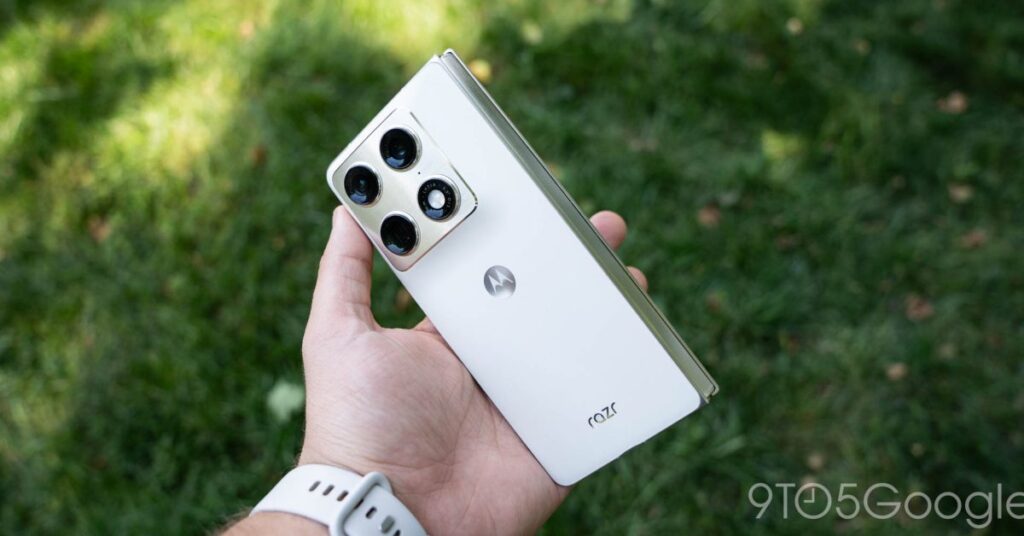
Table of Contents
A glitch or a grab?
Users of Motorola smartphones are discovering a peculiar and troubling behavior: their devices appear to be hijacking the Amazon shopping app to funnel affiliate commissions to a third party. The issue, which affects high-end hardware including the $1,900 Razr Fold, manifests as a brief, almost imperceptible redirect when launching the Amazon app from the device’s app drawer.
The mechanism is subtle. While launching the app from a home screen shortcut works normally, opening it from the app drawer triggers a momentary flash of the Chrome browser. This browser window quickly routes the user through a series of redirects before finally landing them back in the Amazon app. To the average user, it looks like a slow app load; to a developer, it looks like a deliberate attempt to drop an affiliate cookie.
Tracing the source to ‘Smart Feed’
The anomaly was first flagged by a Motorola Razr 60 Ultra user on Reddit, who utilized ADB (Android Debug Bridge) logs to track the system’s intent. The logs revealed that the device launcher wasn’t opening the Amazon app directly, but was instead directing the user to a specific URL. The culprit appears to be Smart Feed, a pre-loaded system app found on many Motorola devices, including the latest 2026 Razr foldable lineup.
Network logs further tie the behavior to “devicenative.com,” a service known for integrating advertisements into smartphone firmware. Testing confirms a version-specific trigger: devices running Smart Feed v2.03.0056 do not exhibit the behavior, while those updated to v2.03.0070 do. Interestingly, the issue does not seem to appear on all models, with some Moto G Stylus users reporting normal behavior despite running the same software version.
The influencer connection
The most baffling part of the chain is where the redirect actually leads. The URL involved, “kira-abboud.com,” is associated with a fashion influencer known as @kirasfashionfinds. However, the connection is tenuous at best. The specific Amazon affiliate code being injected—”sramz-kff-008-20″—does not match any codes publicly shared by Abboud on her own social media profiles or linked websites.
This disconnect raises a critical question: Why would a global hardware manufacturer like Motorola route traffic through a seemingly random influencer’s affiliate link? It is an unorthodox move for a corporate entity, suggesting that this may not be an official Motorola strategy, but rather a failure in the oversight of their third-party ad partners.
How to stop the redirects
For users concerned about their data or the ethics of these hidden redirects, the solution is straightforward. Because Smart Feed is a pre-installed app rather than a core system requirement, it can be disabled manually.
To stop the behavior, navigate to Settings > Apps, search for “Smart Feed,” and select Disable. In early tests on affected Razr Fold devices, disabling this app immediately halted the browser redirects and restored the standard app launch sequence without affecting other device functions.
Motorola has not yet provided a formal comment regarding whether this was an intentional monetization strategy or a security oversight caused by an external partner. Given the scale of the Razr’s price point and the nature of the redirect, the lack of transparency is likely to frustrate a growing number of power users.


