Moderna’s Personalized mRNA Vaccine Slashes Melanoma Recurrence Risk in Five-Year Trial
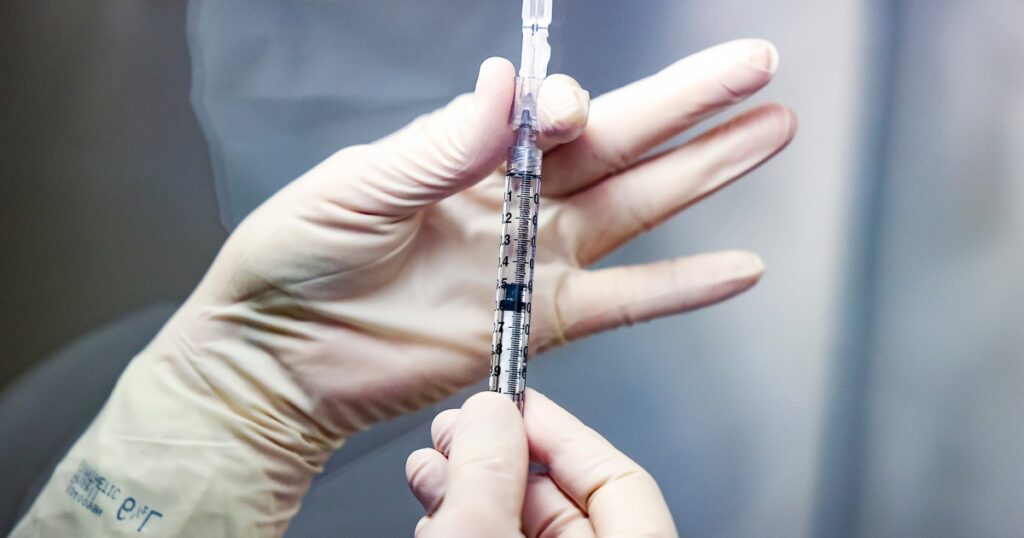
Table of Contents
A New Strategy for the Deadliest Skin Cancer
For patients battling melanoma, the period following a successful surgery is often defined by a lingering, high-stakes anxiety: will the cancer return? Because melanoma is the most aggressive form of skin cancer, roughly half of patients experience a relapse within five years of their initial treatment. Current standard-of-care protocols, while effective, often leave a gap that allows undetectable cancer cells to resurface.
New data presented at the American Society of Clinical Oncology (ASCO) annual meeting and published in the Journal of Clinical Oncology suggests that a personalized mRNA vaccine, developed by Moderna, could bridge that gap. The trial results indicate that combining this custom vaccine with existing immunotherapy significantly reduces the risk of recurrence and metastasis over a five-year window.
The Mechanics of Hyper-Personalization
Unlike traditional vaccines that target a static virus, Moderna’s approach is fundamentally bespoke. The process begins by analyzing the genetic material of a patient’s specific tumor to identify DNA mutations. These mutations create unique proteins on the surface of cancer cells, known as neoantigens.
By identifying the 34 most prominent neoantigens in a patient’s tumor, researchers can program the mRNA vaccine to teach the patient’s own T-cells exactly what to look for. Effectively, the vaccine provides the immune system with a ‘most wanted’ list of the cancer’s unique signatures, ensuring that any lingering cells—or new ones emerging years later—are identified and destroyed.
In the trial, 107 patients with Stage 3 melanoma received this personalized vaccine alongside pembrolizumab (Keytruda), a standard immunotherapy. A control group of 50 patients received only the surgery and Keytruda. Five years later, nearly 70% of the vaccine group remained cancer-free, compared to just 49% in the standard treatment group. Even more striking was the impact on metastasis: the addition of the vaccine cut the risk of the cancer spreading to other organs by nearly 60%.
Solving the Toxicity Trade-off
One of the most persistent hurdles in oncology is the ‘toxicity trade-off.’ Historically, adding more drugs to a regimen to increase efficacy often leads to severe side effects that outweigh the clinical benefits. Dr. Shailender Bhatia, director of the melanoma team at Fred Hutch Cancer Center, noted that this is where Moderna’s results are particularly promising.
Patients in the trial reported side effects similar to those of the mRNA COVID-19 vaccines—primarily mild flu-like symptoms, chills, and headaches that resolved within a few days. This low toxicity profile suggests that mRNA vaccines can amplify the immune response without compromising the patient’s overall quality of life, a critical factor in long-term cancer survivorship.
From Proof of Concept to Paradigm Shift
While these five-year results provide a strong signal, the medical community is awaiting the outcome of a larger Phase 3 trial involving 1,000 patients across the U.S. and Europe. Dr. Janice Mehnert, senior trial investigator and director of the melanoma program at NYU Langone Health, stated that this larger study will provide the definitive proof required to change the standard of care.
The implications extend beyond skin cancer. The success of this platform validates a broader theory of ‘cancer vaccines’ that is already being tested in other high-mortality malignancies, including pancreatic cancer. If the Phase 3 data holds, it could signal a shift toward a future where cancer treatment isn’t just about removing a mass, but about permanently reprogramming the immune system to prevent its return.
The researchers are now looking to optimize the timeline. Currently, vaccines are ready four to six weeks after surgery; reducing this window to three weeks would allow the therapy to begin earlier in the treatment cycle, potentially capturing cancer cells before they have the chance to seed in other parts of the body.