Microsoft’s High-Stakes Gamble: Why the Surface Pro 12 and Laptop 8 Embrace Premium Pricing
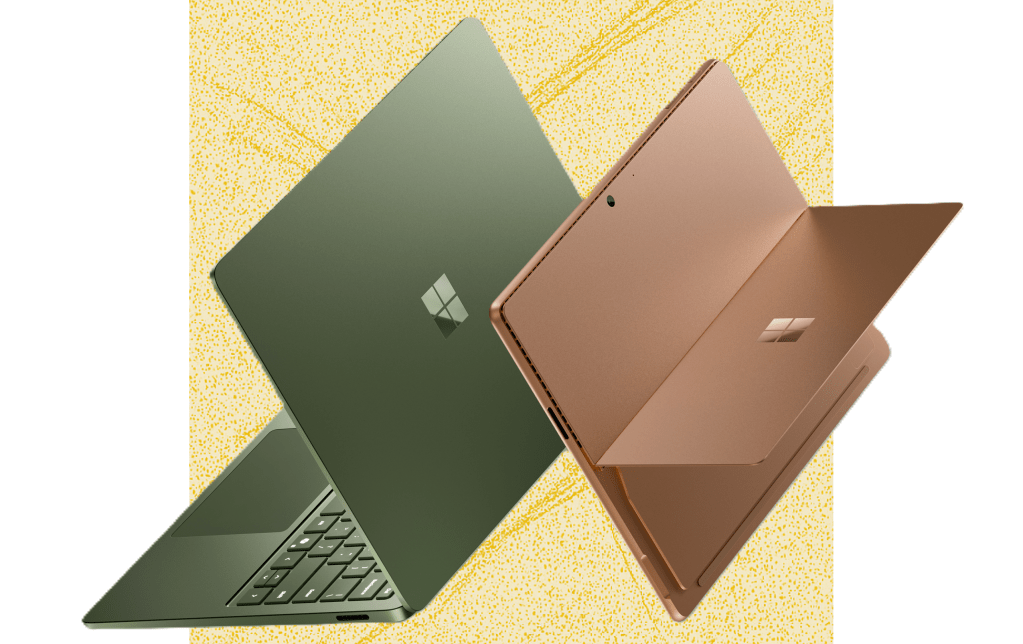
Table of Contents
A Strategic Pivot Toward the High End
For years, the narrative surrounding the Microsoft Surface line has been a tug-of-war between design excellence and value. Critics have frequently argued that Microsoft charges a ‘premium tax’ for hardware that often lags behind competitors in raw specifications. With the launch of the Surface Pro 12 and the Surface Laptop 8, Microsoft isn’t just ignoring those critics—it’s leaning into the critique. By significantly raising the entry price, Microsoft is signaling a fundamental shift in its hardware strategy: Surface is no longer trying to be the ‘everyman’ Windows laptop. It is now the flagship showcase for high-end Windows-on-Arm architecture.
- Price Hikes: The Surface Pro 12 starts at $1,499, a substantial jump from the Pro 11’s $999 entry point.
- Silicon Shift: Both devices leverage the Qualcomm Snapdragon X2 family, prioritizing efficiency and AI integration over raw peak wattage.
- Hardware Refinements: The Surface Laptop 8 (15-inch) sees a significant bump in pixel density (262 PPI) and a new Jade colorway.
- Strategic Focus: Microsoft is prioritizing the ‘Pro’ segment to drive OEM adoption of Arm-based Windows laptops.
The financial reality of these devices is stark. The Surface Pro 12 debuts at $1,499, while the Surface Laptop 8 (available in 13.8-inch and 15-inch models) starts at $1,599. To put this in perspective, this is a $500 to $600 increase over the 2024 base models. While Microsoft is officially simplifying the naming convention—referring to them simply as the Surface Laptop and Surface Pro (2026)—the pricing reflects a move away from the mid-market and a direct challenge to the high-end MacBook Pro lineup.
The Snapdragon X2 Architecture: Performance vs. Thermal Reality
At the heart of this generation is the Qualcomm Snapdragon X2 series. Microsoft has opted for the Snapdragon X2 Plus (10-core) and the Snapdragon X2 Elite (12-core). Interestingly, Microsoft has bypassed the higher-tier 18-core X2 Elite and Elite Extreme variants. This decision likely stems from a need to balance thermal headroom within the slim chassis of the Surface line.
Microsoft claims a 58% improvement in graphics performance over the previous generation. However, technical analysis suggests this is a nuanced figure. While Qualcomm’s raw benchmarks for the X2 Extreme are impressive, the 12-core Elite used here may not hit those same peaks. Furthermore, historical data from the Surface Laptop for Business (Intel Panther Lake) showed that prolonged stress tests could lead to thermal throttling, causing graphics performance to dip. Whether the Arm-based X2 manages heat more effectively remains to be seen in real-world sustained workloads.
Memory and Storage Capabilities
Where Microsoft has finally listened to power users is in the memory and storage configurations. The Surface Laptop 8 now offers expansive RAM options: 16GB, 24GB, 32GB, and a massive 64GB. Storage has also seen an upgrade, with removable PCIe Gen 4 SSDs supporting up to 2TB—doubling the 1TB cap found in 2024 models. The Surface Pro 12 mirrors these specs, though it tops out at 1TB of storage.
The Webcam War: MIPI and the DXOMark Advantage
One area where Microsoft is claiming an undisputed lead is the integrated webcam. The 13.8-inch Surface Laptop has been recognized by DXOMark as a top-tier integrated camera. This isn’t an accident; it’s the result of shifting to MIPI (Mobile Industry Processor Interface) cameras, a technology common in high-end smartphones but less so in traditional laptops.
The primary advantage of MIPI is data throughput. Unlike traditional USB-based laptop cameras that often compress data heavily, MIPI allows for faster transmission of larger data packets, resulting in better dynamic range and less noise. While the Laptops maintain a 1080p resolution, the Surface Pro 12 pushes further with 1440p support, positioning it as a primary tool for executive communication and remote professional work.
Real-World Battery Life: Claims vs. Testing
Microsoft is marketing the 13.8-inch Laptop with a staggering 20-hour battery life, and 19 hours for the 15-inch model. In the world of hardware journalism, these ‘lab numbers’ rarely survive the transition to actual use. For context, testing on the Asus ZenBook A16 (featuring the X2 Elite Extreme) showed a real-world video streaming endurance of approximately 13 hours (784 minutes). While far short of 20 hours, 13 hours of active use is still a massive leap forward for Windows laptops, bringing them closer to the efficiency of Apple’s M-series silicon.
Technical Comparison: Surface Laptop 8 vs. Previous Gen
| Feature | Surface Laptop 7 (2024) | Surface Laptop 8 (2026) |
|---|---|---|
| Starting Price | $999 | $1,599 |
| Max RAM | 32GB | 64GB |
| Max Storage | 1TB | 2TB (PCIe Gen 4) |
| Display (15″) | Standard PPI | 262 PPI / Dolby Vision IQ |
| Processor | Snapdragon X Elite/Plus | Snapdragon X2 Elite/Plus |
The Ecosystem Play: Why the Price Hike Matters
Brett Ostrum, Corporate VP of Surface Devices, has been candid about the company’s awareness of ‘pricing pressures.’ However, the current strategy is clear: use Surface as the ‘North Star’ for the Windows-on-Arm ecosystem. By pricing these devices as ultra-premium, Microsoft creates a price ceiling that allows other OEMs (like Dell, HP, or Lenovo) to offer ‘affordable’ Arm-based laptops while still maintaining a healthy profit margin.
Ostrum hinted that more accessible, lower-cost devices may be arriving in the coming weeks, potentially in smaller 12-inch or 13-inch form factors. Until then, the Surface Pro and Laptop are acting as the technical benchmarks for what Copilot+ PCs can achieve.
What This Means for the Consumer
For the average user, the message is simple: don’t buy the base model unless you need the prestige. The massive price jump from $999 to $1,499+ is not justified by the processor bump alone. However, for power users who require 64GB of RAM and a 2TB SSD in a portable chassis, the Surface Laptop 8 is now a viable alternative to a MacBook Pro.
Furthermore, the move toward 1440p webcams and high-PPI screens indicates that Microsoft is targeting the ‘creative professional’ and ‘remote executive’ segments rather than the student or casual home-user market.
Analysis: The 8GB RAM Controversy
One of the most contentious points in modern computing is the viability of 8GB of RAM. When pressed, Ostrum remained cagey about whether 8GB Surface devices would return. While he acknowledged that Microsoft’s broader Windows team is working to ensure that 8GB solutions remain ‘viable’ for the general OEM ecosystem, he stopped short of announcing any 8GB Surface models. This suggests that Microsoft views the Surface brand as too premium to be associated with the memory constraints that often plague budget laptops.
Surface Pro 12: A Refinement, Not a Revolution
The Surface Pro 12 is a more difficult sell than the Laptop. Aside from the processor update, the chassis remains largely unchanged. The OLED display option remains a highlight, but the removal of the ‘Sapphire’ color (replaced by Dune, Platinum, and Black) feels like a minor aesthetic pivot. To incentivize buyers, Microsoft is bundling the Pro Keyboard for free until June 30, though users should note the distinction between the standard keyboard (which must be attached) and the Pro Flex keyboard (which works wirelessly).
Frequently Asked Questions
Is the Surface Pro 12 worth the $1,499 price tag?
For most users, the jump from $999 to $1,499 is steep given that the chassis and screen are similar to the previous generation. It is worth it only if you specifically require the Snapdragon X2’s improved efficiency and AI processing power for Copilot+ features.
What is the difference between the Snapdragon X2 Elite and X2 Plus?
The Snapdragon X2 Elite features 12 cores and higher peak performance, designed for heavy multitasking and content creation. The X2 Plus uses a 10-core configuration, offering slightly lower performance but potentially better battery endurance for light-to-medium workloads.
How does the battery life of the Surface Laptop 8 compare to a MacBook?
While Microsoft claims 20 hours, independent testing of similar X2-based hardware suggests closer to 13-15 hours of real-world streaming. This puts it in the same league as MacBooks, though it may still trail the M3 Max/Ultra in extreme efficiency tests.
Can I upgrade the storage on the Surface Laptop 8?
Yes, the Surface Laptop 8 utilizes removable PCIe Gen 4 SSDs, allowing for easier upgrades up to 2TB, which is a significant improvement over the soldered or limited options of previous generations.
What is a MIPI camera and why does it matter?
MIPI is a high-speed interface used primarily in smartphones. In the Surface line, it allows the webcam to send high-resolution data to the processor without the heavy compression found in standard USB webcams, resulting in a clearer, more professional image.
Final Verdict: The Premium Pivot
Microsoft is no longer playing the volume game with Surface. By pricing the Surface Pro 12 and Surface Laptop 8 at luxury levels, they are betting that the combination of Arm efficiency and the ‘Copilot+ PC’ branding will attract a professional class willing to pay for the privilege. The hardware is undeniably impressive—especially the 64GB RAM options and the MIPI webcams—but the value proposition has shifted. Surface is now a status symbol and a technical showcase, leaving the budget-conscious consumer to look toward the broader OEM market for their Windows-on-Arm needs.