Microsoft Surface Laptop Ultra Shifts Focus to Local AI with NVIDIA RTX Spark
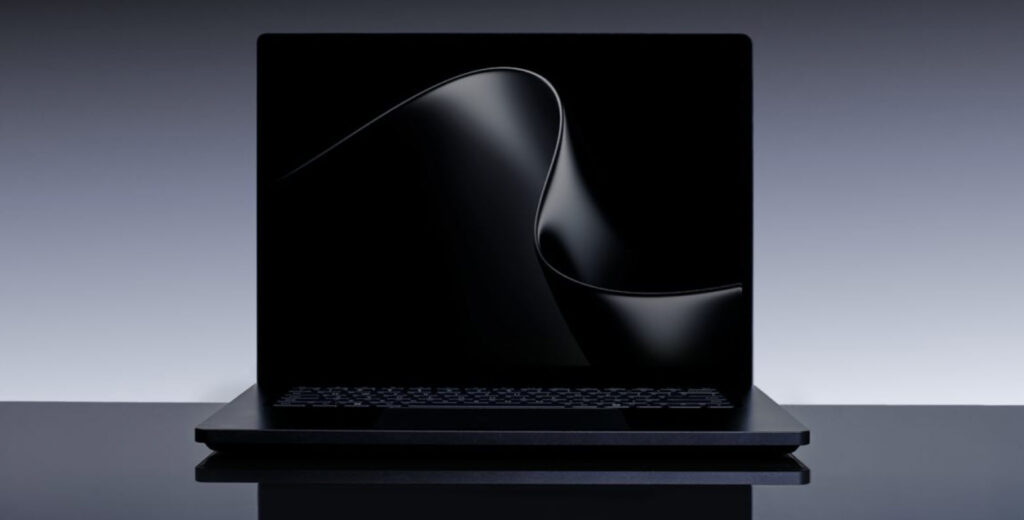
Table of Contents
Microsoft has officially unveiled the Surface Laptop Ultra at Computex, marking a aggressive pivot toward high-performance ARM computing and local AI execution. The device isn’t just a spec bump; it represents a fundamental shift in how Microsoft is approaching the Windows-on-ARM ecosystem, moving away from mere efficiency and toward raw, workstation-grade power.
The RTX Spark: A New Silicon Partnership
At the heart of the Ultra is the NVIDIA RTX Spark, a new ARM-based CPU architecture designed to bridge the gap between mobile efficiency and GPU-heavy workloads. While Microsoft has previously leaned on Qualcomm for its ARM efforts, the integration of RTX Spark suggests a deeper synergy with NVIDIA to optimize for the burgeoning demand of on-device generative AI.
To support this hardware, Microsoft is introducing critical updates to the Windows kernel. The company is specifically raising the memory ceiling available to the GPU, allowing users to load significantly larger local LLMs (Large Language Models) without relying on cloud API calls. Furthermore, Microsoft is refining how Windows handles memory page sizes on unified memory systems, a move aimed at reducing latency and increasing the throughput for data-intensive AI tasks.
Pushing the Memory Ceiling
For the first time in the Surface Laptop line, the machine can be configured with up to 128GB of unified memory. This is a strategic move targeting developers and data scientists who have previously found ARM laptops too restrictive for local model training or complex rendering. By unifying the memory pool, the RTX Spark can access massive datasets without the bottleneck of traditional PCIe bus transfers between the CPU and a discrete GPU.
Display and Physicality
The Surface Laptop Ultra features a 15-inch Mini LED PixelSense Ultra touchscreen, which Microsoft claims is the brightest display ever integrated into a Surface device. With a peak HDR brightness of 2,000 nits, the panel is designed for high-ambient light environments and professional HDR grading. The use of Mini LED allows for deeper blacks and higher contrast ratios than the standard LCDs found in the current Surface Pro and Laptop lineups.
On the chassis side, Microsoft has leaned into a “pro” aesthetic. The device includes a record-breaking trackpad size for the Surface family and a surprisingly robust array of ports. In an era of USB-C minimalism, the Ultra retains a full-sized HDMI port, USB-A, an SD card slot, and a 3.5mm audio jack, signaling that this device is intended for creators rather than just corporate executives.
Thermal Management and Software Compatibility
High-performance ARM chips traditionally struggle with heat, a hurdle Microsoft is attempting to clear with the new Microsoft Power and Thermal Framework (MPTF). Developed in tandem with NVIDIA, the MPTF is designed to optimize performance-per-watt, dynamically shifting power loads to prevent thermal throttling during sustained AI workloads.
The software story remains the most critical piece of the puzzle. Adobe has already optimized Photoshop and Premiere to run natively on ARM for the RTX Spark. While gaming has historically been the Achilles’ heel of Windows on ARM, Microsoft confirmed that titles like League of Legends, Valorant, and PUBG are already compatible. However, the broader gaming library likely still relies on emulation layers, which may impact performance for AAA titles.
The Surface Laptop Ultra will be available in Platinum and Nightfall. While Microsoft has not yet disclosed official pricing, the inclusion of 128GB of unified memory and a 2,000-nit Mini LED panel suggests a premium price point that will position it as the most expensive consumer laptop in the Surface portfolio.