Microsoft Refreshes Surface Lineup With AI-Centric Hardware and a Pivot Toward Repairability
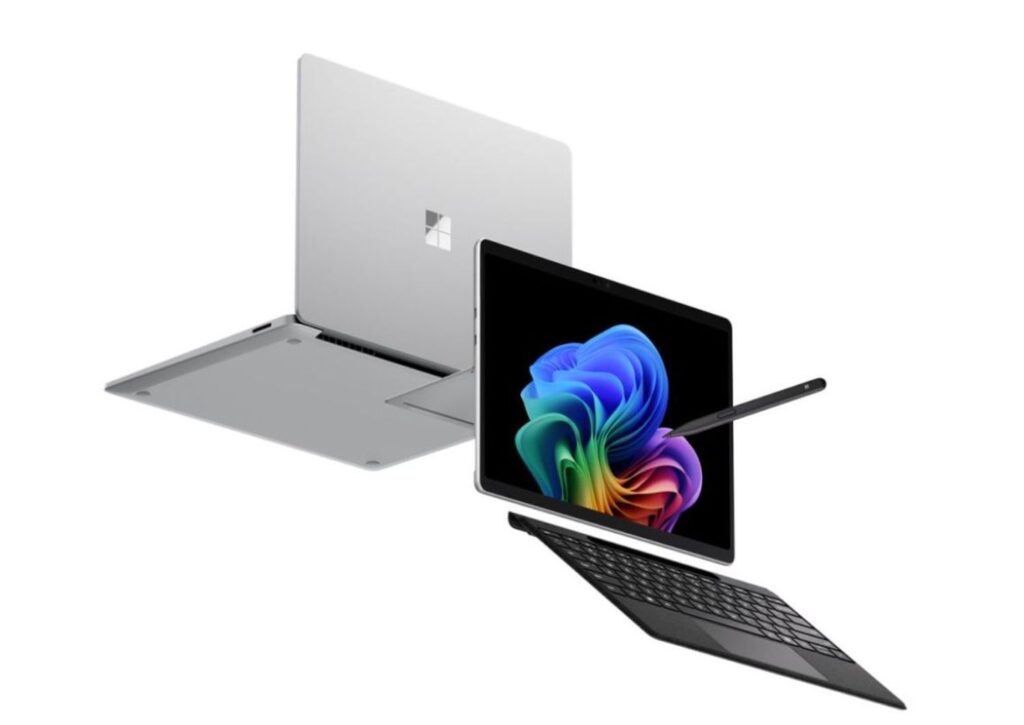
Table of Contents
The Enterprise Pivot
Microsoft has expanded its Surface portfolio with a new wave of hardware specifically tailored for the corporate environment. The rollout includes a refreshed Surface Pro 13-inch and three distinct Surface Laptop configurations: a 13-inch ultraportable, a 13.8-inch mainstream model, and a 15-inch workstation alternative. While the aesthetic remains quintessentially Surface, the internal architecture reflects a broader industry shift toward AI-driven local processing and a long-overdue embrace of modularity.
At the heart of this refresh are Intel’s latest Core Ultra Series 3 processors. By prioritizing the NPU (Neural Processing Unit) capabilities of these chips, Microsoft is positioning these devices as the bridge to its broader Copilot+ ecosystem. However, the Intel launch serves as a precursor to a more significant transition; the company confirmed that Snapdragon X2-powered variants will follow later this year, promising the kind of battery endurance and thermal efficiency that has recently pressured the x86 status quo.
Screen Privacy and Haptic Refinement
The most notable functional upgrades are reserved for the larger 13.8-inch and 15-inch Surface Laptops. In a move that mirrors the privacy-centric hardware found in high-end Samsung Galaxy devices, Microsoft has integrated a software-switchable privacy screen on select models. This feature allows users to instantly narrow viewing angles, a critical requirement for executives and developers handling sensitive data in public spaces. For IT administrators, this is a strategic win, as these screens can now be managed remotely via enterprise deployment tools.
Beyond the display, Microsoft is attempting to elevate the tactile experience of the Surface line. The larger laptops now feature redesigned trackpads with advanced haptic feedback. Unlike traditional diving-board or capacitive pads, these provide nuanced tactile responses during Windows 11 multitasking operations—such as snapping windows or aligning interface elements—giving the hardware a more precise, “mechanical” feel that justifies its premium price point.
The Ultraportable and the Pro
The 13-inch Surface Laptop is designed for the high-mobility user, integrating Wi-Fi 7 support to handle the next generation of corporate networking. In a surprising nod to the “Right to Repair” movement, this model features a removable Gen 4 SSD, allowing for easier storage upgrades without replacing the entire motherboard. Pricing for the fully equipped version sits at $1,499, though a stripped-down 8 GB RAM version—which lacks full Copilot+ functionality—will enter the market at $1,299.
The Surface Pro 13-inch takes a more conservative approach. While it benefits from the Core Ultra processing bump, it lacks the haptic trackpad upgrades found in the laptop siblings. It remains a focused productivity tool, leaning heavily on its versatility as a tablet-laptop hybrid rather than introducing radical new form factors.
Breaking the Glue: A New Repairability Standard
Perhaps the most significant narrative shift in this launch is Microsoft’s stance on sustainability. The chassis of the Pro 13-inch and the larger Laptops are now crafted from 100% recycled aluminum. More importantly, the company has substantially reduced the use of industrial adhesives internally.
According to Microsoft, the internal layouts have been redesigned to allow IT departments to perform component replacements using standard tools. This shift from “disposable” hardware to a maintainable fleet is a direct response to enterprise pressure to extend device lifecycles and reduce e-waste. While a flagship business configuration starting at $1,949 is a steep entry point, Microsoft argues that the cost reflects both the premium materials and the increased local AI capabilities of the Intel Core Ultra 5 silicon.