Microsoft pivots to high-performance ARM with Surface Laptop Ultra and NVIDIA RTX Spark
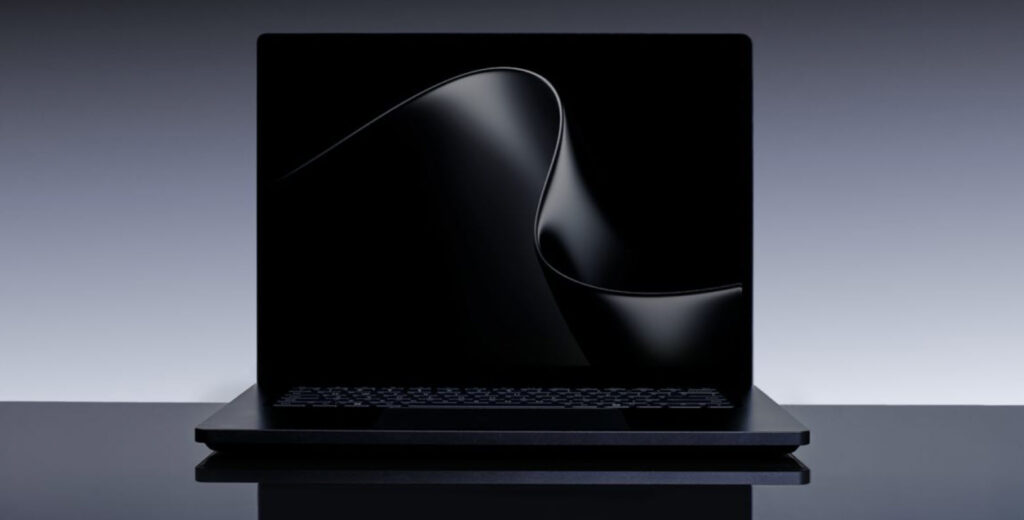
Table of Contents
A gamble on high-performance ARM
Microsoft has spent the last few years trying to make Windows on ARM a viable reality for the average user, but the effort has often felt like a compromise between battery life and raw power. At Computex, the company signaled a shift in strategy with the debut of the Surface Laptop Ultra. This isn’t just another iterative update; it is a specialized workstation designed to bridge the gap between mobile efficiency and desktop-class compute, powered by the brand-new NVIDIA RTX Spark chip.
The RTX Spark represents a significant architectural departure, bringing NVIDIA’s GPU prowess into a native ARM CPU environment. By moving toward a unified memory architecture—supporting up to 128GB of RAM—Microsoft is positioning the Laptop Ultra as a primary machine for developers and creatives who previously viewed ARM-based laptops as mere “travel” devices.
Breaking the brightness barrier
Visually, the Ultra is dominated by a 15-inch Mini-LED PixelSense Ultra touchscreen. While Mini-LED has become a staple in high-end tablets, Microsoft is pushing the luminance here to an extreme, claiming a peak HDR brightness of 2,000 nits. In real-world terms, this makes the device one of the few laptops capable of maintaining a legible, high-contrast image even under direct sunlight, a move that directly challenges the display benchmarks set by Apple’s MacBook Pro lineup.
The chassis also sees some long-awaited practical updates. Microsoft has finally leaned into a more comprehensive I/O array, equipping the Ultra with HDMI, USB-C, USB-A, a full-sized SD card slot, and a 3.5mm audio jack. For those who have complained about the shrinking footprints of peripherals, the Laptop Ultra also features the largest trackpad ever integrated into a Surface device, reflecting a move toward a more traditional “power user” layout.
OS-level optimizations for Local AI
The hardware is only half the story. To make the RTX Spark effective, Microsoft is shipping specific updates to the Windows kernel to better handle unified memory. Traditionally, Windows has struggled with the memory allocation patterns seen in ARM architectures, often limiting how much RAM a GPU could actually utilize.
Microsoft is now raising the memory ceiling for the GPU, allowing users to load significantly larger local Large Language Models (LLMs) directly onto the hardware without relying on the cloud. Furthermore, the company has overhauled the memory page size handling for unified systems, reducing the overhead that typically plagues ARM-based Windows installations.
The thermal challenge
Driving an NVIDIA chip in a thin laptop frame inevitably leads to heat concerns. To combat this, Microsoft and NVIDIA have co-developed the Microsoft Power and Thermal Framework (MPTF). This new layer of software aims to optimize performance-per-watt in real-time, dynamically shifting workloads to prevent the thermal throttling that has plagued previous high-performance Surface Pro and Laptop iterations.
The App Gap: Native vs. Emulated
The success of any ARM device hinges on software. Microsoft has secured native ARM support for several industry staples, including Adobe Photoshop and Premiere, both of which have been specifically optimized for the RTX Spark. However, the gaming landscape remains a mixed bag. While the RTX Spark’s architecture is promising, the library of native titles is still small. Microsoft confirmed that heavy hitters like League of Legends, Valorant, and PUBG are already functional, but many other AAA titles will likely still rely on emulation layers, which may impact performance.
The Surface Laptop Ultra will be available in Platinum and Nightfall colorways. While Microsoft has refrained from announcing a price point, the inclusion of 128GB memory options and a 2,000-nit Mini-LED panel suggests a premium price bracket that will likely place it in direct competition with the top-spec MacBook Pro 16.


