Microsoft pivots back to power with Surface Laptop Ultra and Nvidia RTX Spark
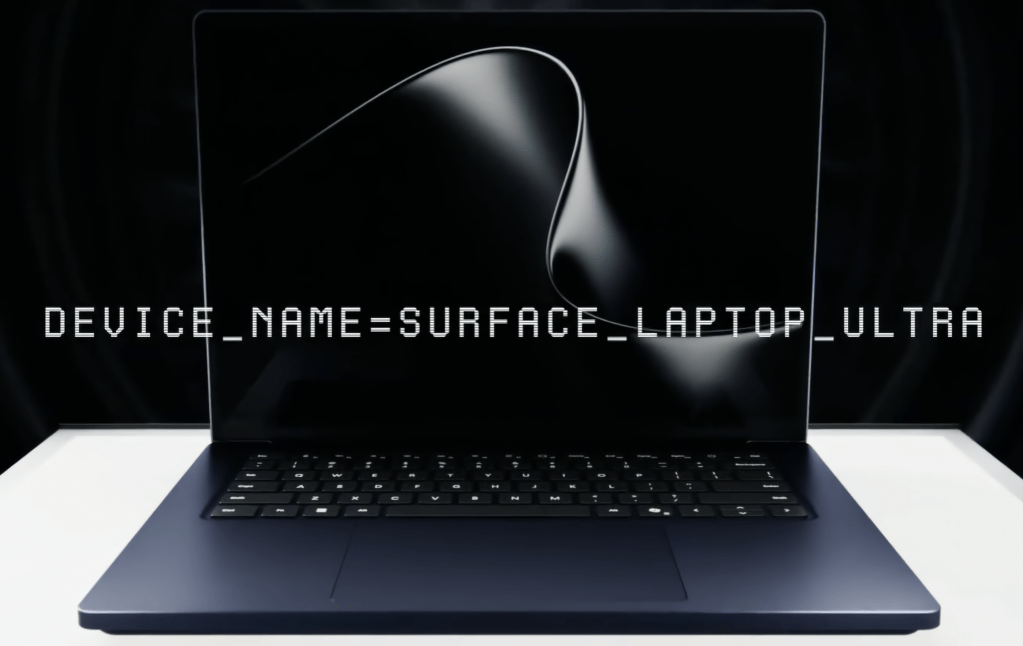
Table of Contents
A Strategic Pivot Toward Raw Power
Microsoft is attempting to reclaim the high-end performance segment of its hardware lineup with the surprise unveiling of the Surface Laptop Ultra. Built around the newly announced Nvidia RTX Spark platform, the 15-inch machine represents a departure from the conservative design language of recent Surface devices, positioning itself as a direct replacement for the Surface Laptop Studio 2 and the legacy Surface Book line.
The core of the Ultra is Nvidia’s N1X and N1 processor family. While the RTX Spark platform shares a common architectural goal with Qualcomm’s Snapdragon X Elite—bringing efficient ARM-based computing to Windows—Microsoft’s choice of silicon is significantly more aggressive. The top-tier N1X configuration boasts 20 CPU cores and 6,144 Blackwell GPU cores, capable of delivering up to a petaflop of AI performance. For context, this GPU core count mirrors the Blackwell architecture found in the RTX 5070 desktop GPUs, placing the Ultra’s graphical capabilities firmly between an RTX 5070 Ti and an RTX 5080.
Addressing the Thermal Ceiling
The shift to the Ultra isn’t just about raw specs; it’s a response to long-standing thermal limitations in the Surface ecosystem. Recent testing of the Surface Laptop 8 for Business, powered by Intel’s Panther Lake, revealed a troubling trend: while the silicon is capable, the chassis often throttles under sustained loads. In some instances, GPU performance in those models plummeted by nearly 50% during prolonged multimedia tasks, a clear symptom of a thermal design that couldn’t keep up with the chip.
Microsoft appears to have learned from these shortcomings. Brett Ostrum, corporate vice president of Surface, emphasized that the Ultra was designed “from the inside out,” involving thermal and acoustic engineers from day one. The hardware is noticeably heavier than its predecessors—tipping the scales at just under 4.5 pounds compared to the 3.67 pounds of the 15-inch Surface Laptop 8—and features a dual-fan cooling system designed specifically for sustained high-performance workloads.
AI Localized and the Mini-LED Bet
The Surface Laptop Ultra is clearly aimed at the “Prosumer” and developer market, specifically those running massive local AI models. With 128GB of shared memory, the device is capable of handling models with up to 120 billion parameters locally, reducing the reliance on cloud-based inference and enhancing privacy for enterprise users. This move aligns with Microsoft’s broader push toward agentic AI, where local GPU power is required to drive assistants that can modify files and execute complex workflows in real-time.
Visually, the device introduces the PixelSense Ultra touchscreen, marking Microsoft’s first foray into mini-LED for the Surface Laptop line. The display claims a peak HDR brightness of 2,000 nits, a significant leap over previous generations. While some colorists remain wary of mini-LED blooming, the sheer luminosity suggests a focus on HDR content creation. Interestingly, this deviates from other RTX Spark partner designs, which Nvidia suggested would lean toward tandem OLED panels with G-SYNC technology.
Connectivity and Market Positioning
In a move that will please power users, Microsoft has expanded the I/O. The Ultra features two Thunderbolt ports, an HDMI port, a USB-A port, a headphone jack, and a full-sized SD card slot. This versatility, combined with the Blackwell-class GPU, suggests Microsoft is no longer content with the “thin-and-light” compromise, opting instead for a “chonky” but capable workstation.
The Surface Laptop Ultra is scheduled to ship this fall. Its success will likely depend on whether the new thermal architecture can actually sustain the promised petaflop of performance without the catastrophic throttling that plagued previous high-end Surface attempts.