Microsoft Pivots Back to Power: Surface Laptop Ultra Debuts with Nvidia RTX Spark
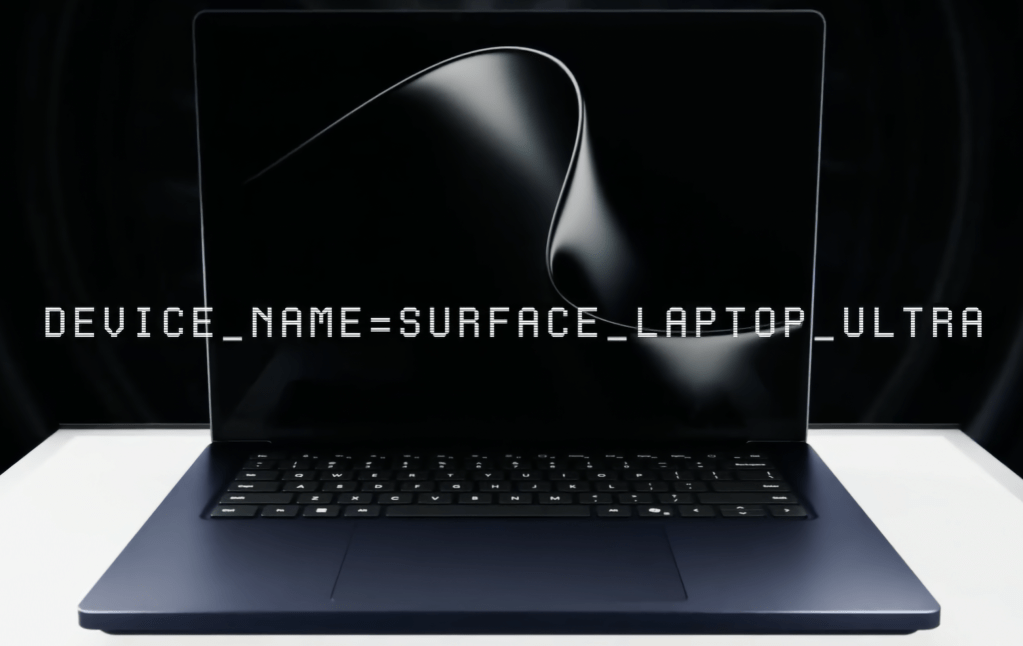
Table of Contents
A Departure from the ‘Dull’ Era
Microsoft is attempting to recapture the enthusiast market with the surprise unveiling of the Surface Laptop Ultra. For years, the Surface lineup has leaned into a conservative, business-first aesthetic—most recently seen in the Surface Laptop 8 for Business, a machine that prioritizes corporate utility over raw power. The Ultra represents a hard pivot, designed not as a mere iteration, but as a replacement for the specialized Surface Book and Surface Laptop Studio lines.
At the heart of the Ultra is Nvidia’s newly launched RTX Spark platform. While the industry has been buzzing about the efficiency of Qualcomm’s Snapdragon X2 Elite Extreme, Microsoft has opted for a different path to performance. The Ultra is built around Nvidia’s N1X and N1 processors, pushing Windows on Arm into a higher performance tier than previously seen in a thin-and-light chassis.
The Blackwell Advantage
The technical specifications of the top-end configuration are aggressive. The N1X family brings 20 CPU cores and a staggering 6,144 Blackwell GPU cores to the table. To put that in perspective, this puts the Surface Laptop Ultra in a performance bracket typically reserved for desktop hardware; those core counts mirror the RTX 5070 desktop GPU. In the mobile space, it effectively slots between the RTX 5070 Ti and the RTX 5080.
This hardware isn’t just for gaming or 4K video rendering. Microsoft is explicitly positioning the Ultra as a vehicle for local AI. With 128GB of shared memory, the machine is capable of running massive local AI models—up to 120 billion parameters—without relying on the cloud. Brett Ostrum, Microsoft’s corporate vice president of Surface, describes it as the fastest Surface ever made, signaling a shift toward a ‘GPU-first’ philosophy for professional creators.
Addressing the Thermal Achilles’ Heel
For Microsoft, the Ultra is as much about thermal engineering as it is about silicon. Recent testing of the Surface Laptop 8 for Business revealed a frustrating trend: while the Intel Panther Lake processors are efficient, the chassis often fails to keep them cool. Under prolonged loads, GPU performance in those models has been known to plunge by nearly 50% due to thermal throttling.
Microsoft appears to have learned its lesson. The Ultra is described as a more substantial machine—roughly 4.5 pounds—and a brief demo video confirms the presence of dual fans designed for sustained high performance. By moving away from the razor-thin constraints of the standard Surface Laptop line, Microsoft is finally giving the hardware enough room to breathe.
A New Visual Standard
The display is another significant upgrade. Microsoft is introducing the 15-inch PixelSense Ultra, marking the company’s first foray into mini-LED technology for the Surface line. The panel boasts a peak brightness of 2,000 nits in HDR mode, a massive jump over previous generations. While some colorists express concern over ‘blooming’—a common trait of mini-LEDs where light leaks into dark areas—the sheer brightness makes it a compelling option for outdoor work and high-dynamic-range content.
Interestingly, the Ultra diverges from Nvidia’s own RTX Spark recommendations, which suggested tandem OLED displays with G-SYNC. Microsoft has instead doubled down on mini-LED, betting on brightness over the absolute blacks of OLED.
Connectivity and Context
The port selection reflects the ‘Ultra’ branding, moving away from the minimalist approach of the base models. The chassis includes two Thunderbolt ports, an HDMI port, a USB-A port, and a dedicated SD card slot, making it a viable workstation for photographers and engineers without the need for a dongle chain.
This launch comes at a critical time for Microsoft’s software strategy. As the company pushes its ‘agentic AI’ vision—where AI agents can access and modify local files autonomously—the need for a powerful local GPU becomes an everyday requirement rather than a niche luxury. By shipping the Surface Laptop Ultra this fall, Microsoft is ensuring that its own flagship hardware can actually run the ambitious AI features it is building into Windows.


