Microsoft Doubles Down on AI Hardware with Surface Laptop Ultra and NVIDIA ‘RTX Spark’
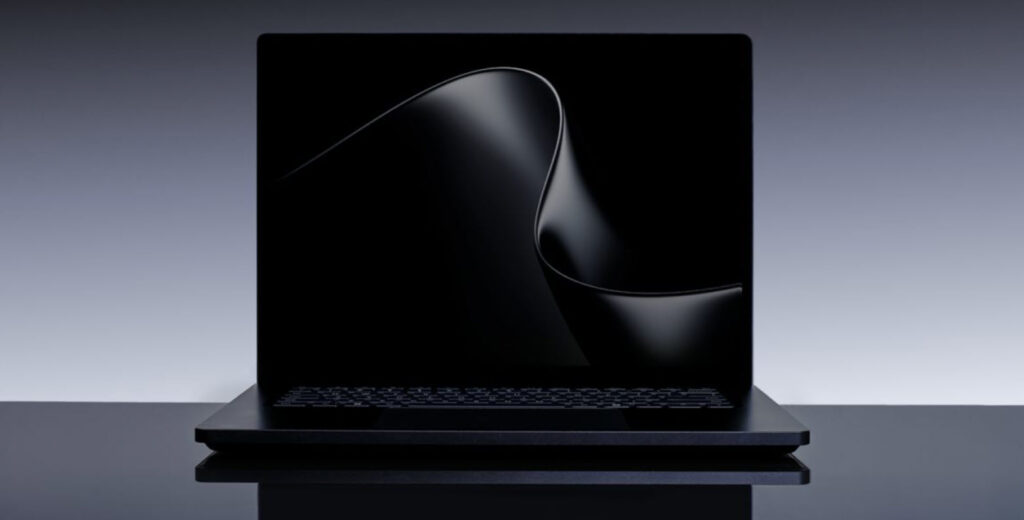
Table of Contents
A Pivot Toward Specialized AI Silicon
Microsoft has used the chaos of Computex to unveil its most aggressive hardware play in years: the Surface Laptop Ultra. While the device looks like a refined evolution of the Surface lineup, the internals signal a fundamental shift in how Microsoft views the Windows ecosystem. The centerpiece is the NVIDIA RTX Spark, a new ARM-based processor designed specifically to bridge the gap between high-end productivity and local AI execution.
For years, the ‘ARM on Windows’ dream has been hampered by mediocre performance and a fragmented app ecosystem. By partnering with NVIDIA for the RTX Spark, Microsoft is attempting to replicate the vertical integration seen in Apple’s M-series chips. The Ultra isn’t just a thin-and-light; it’s a workstation designed to move AI workloads off the cloud and directly onto the silicon.
The Hardware: Brighter and Bigger
Visually, the Surface Laptop Ultra is dominated by a 15-inch Mini LED PixelSense Ultra touchscreen. The headline figure here is the 2,000-nit peak HDR brightness—a first for the Surface line. This level of luminance is intended to make the device viable for high-end color grading and outdoor professional use, positioning it against the MacBook Pro’s Liquid Retina XDR displays.
Microsoft has also addressed one of the long-standing gripes with the Surface Laptop series by implementing a record-breaking trackpad size, providing more real estate for gesture-heavy workflows. In a move that suggests Microsoft is listening to its power-user base, the connectivity suite is surprisingly robust. Eschewing the ‘dongle-only’ trend, the Ultra includes a full-sized HDMI port, USB-C, USB-A, a dedicated SD card slot, and a 3.5mm audio jack.
Solving the Unified Memory Bottleneck
The most significant technical revelation, however, lies in the memory architecture. The Surface Laptop Ultra supports up to 128 GB of unified memory. While high RAM counts are common in workstations, the way Windows interacts with this memory is what matters. Microsoft is introducing specific updates to the Windows kernel to raise the memory ceiling available to the GPU.
This is a strategic move aimed squarely at the local LLM (Large Language Model) community. By allowing the GPU to access a larger slice of the unified memory pool, users can load significantly larger AI models locally without hitting the wall of traditional VRAM limits. Furthermore, Microsoft is refining the memory page size handling on unified memory systems to reduce latency and improve data throughput between the CPU and GPU.
Thermals and the ARM App Gap
To manage the heat generated by the RTX Spark, Microsoft and NVIDIA have co-developed the Microsoft Power and Thermal Framework (MPTF). This isn’t just a fan-curve adjustment; it’s a low-level optimization designed to maximize performance-per-watt, ensuring the laptop doesn’t throttle during sustained AI rendering or heavy compilation tasks.
The software transition is also showing progress. Adobe has committed to native ARM support for Photoshop and Premiere, both of which have been specifically optimized for the RTX Spark’s architecture. Gaming remains the final frontier for ARM Windows. While a full library isn’t available, Microsoft confirmed that League of Legends, Valorant, and PUBG are already functional on the device, suggesting that the emulation layer or native ports are finally reaching a playable state.
The Surface Laptop Ultra will be available in Platinum and Nightfall. While Microsoft has yet to announce official pricing, the 128 GB memory ceiling and Mini LED panel suggest a premium price point that will likely place it in direct competition with the top-tier MacBook Pro configurations.