Microsoft Abandons the Gimmicks: Surface Laptop Ultra Bets Everything on NVIDIA’s Blackwell Architecture
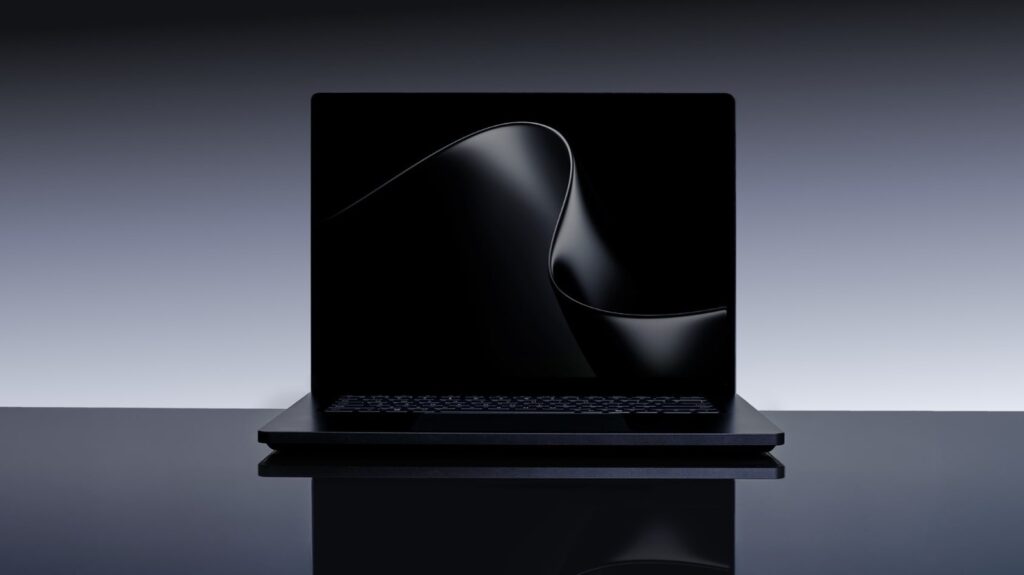
Table of Contents
A Pivot Toward Pragmatism
For years, Microsoft has treated its high-end Surface lineup as a laboratory for industrial design. From the detachable keyboard of the original Surface Book to the peculiar pulling-forward screen of the Laptop Studio, the company has consistently chased a ‘third category’ of computing. But with the unveiling of the Surface Laptop Ultra, Microsoft is signaling a strategic retreat from eccentricity in favor of raw, concentrated power.
The Surface Laptop Ultra is, for all intents and purposes, a direct shot across the bow of the MacBook Pro. It abandons the hinges and pivots of its predecessors for a traditional 15-inch clamshell design. However, the lack of visual novelty is offset by a massive shift in internal architecture: the integration of NVIDIA’s RTX Spark system-on-a-chip (SoC).
The Silicon Strategy: NVIDIA’s RTX Spark
The heart of the Ultra is the RTX Spark, NVIDIA’s aggressive attempt to capture the ARM-based laptop market currently contested by Apple’s M-series and Qualcomm’s Snapdragon X Elite. This isn’t just a discrete GPU slapped onto a motherboard; it is a tightly integrated SoC featuring 20 Arm CPU cores and a staggering 6,144 Blackwell GPU cores.
The performance claims are ambitious. According to a briefing with reporters, Andrew Hill, Microsoft’s Corporate VP of Surface, described the device as the most powerful machine the company has ever produced. NVIDIA claims the RTX Spark delivers 1 petaflop of aggregate AI performance—a figure derived from the combined efforts of the GPU, CPU, and the dedicated NPU. In terms of raw graphics, NVIDIA suggests the Spark performs similarly to an RTX 5070 laptop GPU, yet operates with a highly efficient power draw ranging from single digits up to 80W.
This efficiency is the critical battleground. If Microsoft can deliver 5070-class performance without the thermal throttling or battery drain typical of gaming laptops, it solves the primary pain point that plagued the Surface Book and Laptop Studio lines.
Display and I/O: Closing the Gap
While the silicon is the headline, the physical specifications suggest Microsoft is finally listening to the ‘pro’ crowd. The Surface Laptop Ultra debuts a 15-inch MiniLED “Ultra” screen, capable of hitting 2,000 nits of peak HDR brightness. This puts it in direct competition with the Liquid Retina XDR displays found in Apple’s high-end laptops, offering the deep blacks and high contrast necessary for professional color grading and HDR content creation.
Microsoft has also addressed the long-standing criticism regarding port selection. The Ultra includes a full-sized card reader, HDMI, and a mix of USB-A and USB-C ports, removing the need for the ubiquitous dongle arrays that have defined the last five years of thin-and-light computing. Despite these additions, the machine remains under 4.5 pounds, mirroring the portability of the MacBook Pro 14 and 16-inch variants.
The Market Positioning
The rhetoric surrounding the launch has been predictably lofty. In a recent announcement, Microsoft CVP Brett Ostrum framed the device not as a tool, but as an instrument for “world makers,” urging users to push the machine to its edge. However, the real test will be the pricing, which Microsoft has yet to disclose.
The timing of the fall release puts the Ultra in a precarious position. The industry is currently grappling with “RAMaggedon”—the escalating cost of high-density memory in AI-capable machines. Whether Microsoft will price the Ultra to undercut Apple or lean into the premium nature of the Blackwell architecture remains to be seen. For now, the Surface Laptop Ultra represents a fundamental shift in philosophy: Microsoft is no longer trying to reinvent the laptop; they are simply trying to win the spec war.


