Lenovo ThinkStation P4: A Compact Push Against the Prosumer Ceiling
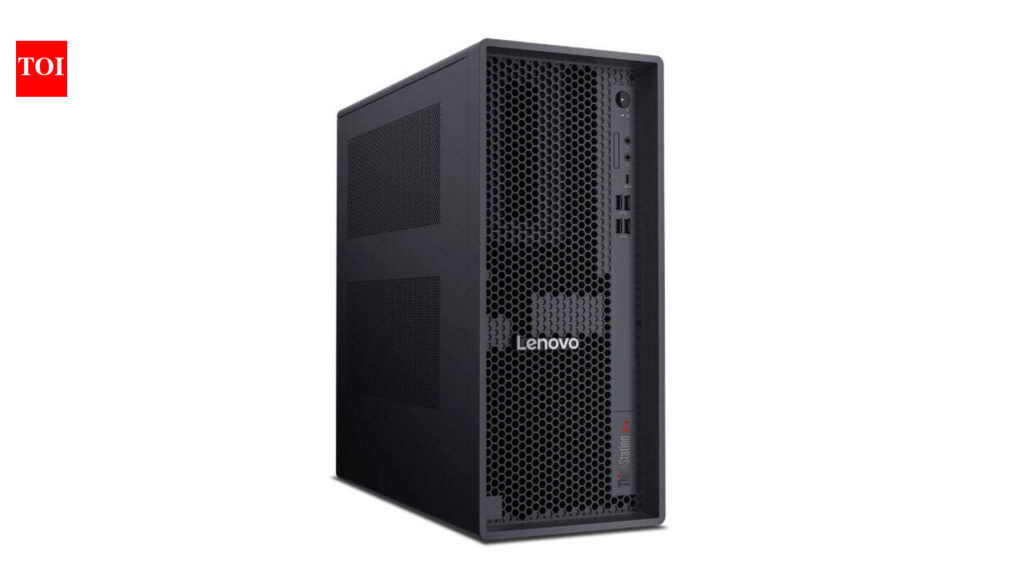
Table of Contents
Bridging the Gap Between Desktop and Studio
Lenovo is attempting to redefine the ‘entry-level’ professional workstation with the launch of the ThinkStation P4. For years, the market has been split between oversized, power-hungry towers and underpowered miniatures that throttle under the pressure of a heavy render. The P4 is designed to sit squarely in the middle, targeting the ‘prosumer’—architects, engineers, and data analysts who need reliability without sacrificing a massive amount of desk real estate.
The hardware profile of the P4 is centered around the latest Intel Core processors, moving away from the Xeon-exclusive territory of the higher-end P-series. By leveraging these chips, Lenovo is offering a snappier experience for single-threaded tasks while maintaining the multi-core muscle required for CAD software and complex simulations. This shift reflects a broader industry trend where the line between high-end consumer gaming hardware and professional workstations is blurring, as clock speeds often trump raw core counts for many creative workflows.
The ISV Advantage
While a high-end gaming rig might have similar specs on paper, the ThinkStation P4 differentiates itself through Independent Software Vendor (ISV) certifications. In the world of professional computing, stability is more valuable than peak speed. Certifications from giants like Autodesk and Dassault Systèmes ensure that the hardware is tuned specifically for software like AutoCAD or SolidWorks, reducing the likelihood of the dreaded system crash during a critical project save.
Thermal management is where the P4 faces its steepest challenge. Fitting professional-grade components into a smaller chassis usually results in a loud, jet-engine fan profile. Lenovo has implemented a redesigned cooling architecture aimed at mitigating this, though real-world performance under sustained load will be the true test. The chassis is built with the traditional ThinkStation modularity, allowing users to swap components without the need for extensive tooling, a nod to the longevity these machines are expected to have in corporate environments.
Connectivity and Expansion
Despite its footprint, the P4 doesn’t skimp on the I/O. It features a robust array of ports to handle the peripheral demands of a modern workstation, including high-speed USB-C and Thunderbolt options that allow for rapid data transfer from external NVMe drives. The internal expansion slots are limited compared to the P6 or P9 towers, but they are sufficient for adding professional GPUs—likely the NVIDIA RTX Ada Generation series—which are essential for GPU-accelerated rendering.
The move to the P4 suggests that Lenovo is keenly aware of the shift toward hybrid work. A full-sized tower is a liability in a home office, but a laptop often lacks the thermal headroom for long renders. The P4 serves as a ‘work-from-anywhere’ anchor, providing the stability of an enterprise machine in a package that fits on a standard bookshelf.
Market Positioning
The ThinkStation P4 enters a crowded market, facing stiff competition from Dell’s Precision line and HP’s Z-series. However, Lenovo’s strategy seems to be focusing on the accessibility of professional power. By offering a machine that feels like a desktop but performs like a workstation, they are lowering the barrier to entry for freelancers and small studios who previously had to choose between a fragile consumer build or an overpriced enterprise monster.