Lawsuit Challenges ‘The Claw’: UFC’s Massive White House Ring Faces Legal Hurdle Over Public Land Use
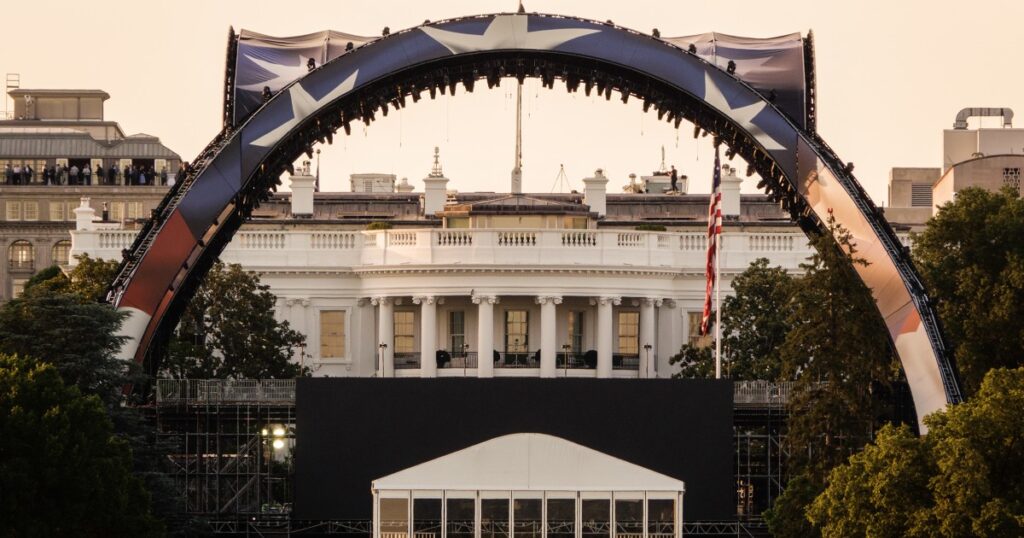
Table of Contents
A 600-Ton Legal Battle on the South Lawn
The White House South Lawn has become the site of an unprecedented architectural and legal clash. A federal lawsuit filed this weekend by the Public Integrity Project, a government watchdog group, is seeking an immediate injunction to halt a scheduled Ultimate Fighting Championship (UFC) event. At the center of the controversy is “The Claw,” a massive, 92-foot-tall, 600-ton fighting structure that has already been erected on the grounds of the executive mansion.
The event, ostensibly designed to commemorate the United States’ 250th anniversary, is slated for June 14—a date that coincides with President Donald Trump’s birthday. While UFC CEO Dana White has publicly denied that the timing is a birthday celebration, the lawsuit alleges that White admitted the concept for the fight originated with the President himself. This connection has turned a sporting spectacle into a focal point for arguments regarding the intersection of private profit and public property.
The Logistics of ‘The Claw’ and Streaming Exclusivity
From a technical and logistical standpoint, the scale of the installation is staggering. The construction of “The Claw” represents a significant engineering feat, but the legal challenge focuses less on the physics of the ring and more on the legality of its placement. The plaintiffs—activist Susan Douglas and Vietnam War veteran Paul Romano—argue that the installation was carried out without necessary congressional approval and constitutes an improper use of the National Park Service’s jurisdiction.
The controversy extends beyond the physical structure to the digital distribution of the event. While the UFC maintains that it is absorbing the costs of the production and not selling individual tickets, the lawsuit points to a sophisticated monetization strategy. The filing alleges that the UFC is selling high-value VIP and sponsorship packages to offset costs and drive revenue. Furthermore, the event marks a strategic shift in broadcasting; while preliminary bouts may air on cable, the “main card” is set for exclusive streaming on Paramount+, the digital platform owned by CBS.
Financial Ties and Conflict of Interest
The legal challenge doesn’t stop at land use; it delves into the financial disclosures of the presidency. According to financial records released last month, President Trump holds an investment of between $15,000 and $50,000 in TKO Group Holdings, the parent company of the UFC. The lawsuit argues that this direct financial stake, combined with the use of federal resources and the Lincoln Memorial for ceremonial weigh-ins, creates an untenable conflict of interest.
The defendants named in the suit include the National Park Service and its leadership, as well as Interior Secretary Doug Burgum and the Department of the Interior. The plaintiffs claim they are suffering “aesthetic” and “procedural harms,” suggesting that the transformation of the White House lawn into a professional combat sports arena violates the intended purpose of the historic site.
A Pattern of Presidential Projects
This legal maneuver is not an isolated incident but part of a broader trend of litigation surrounding the administration’s ambitious infrastructure and celebratory projects. The government is currently embroiled in legal battles over the construction of a private ballroom in the East Wing and a proposed triumphal arch near Arlington National Cemetery. In the case of the ballroom, a lower court has already paused construction, highlighting a recurring tension between the administration’s vision and federal preservation laws.
Despite the pending legal action, the White House continues to promote the spectacle. A recent video posted to X (formerly Twitter) showcased time-lapse footage of “The Claw” being assembled, paired with archival clips of the President attending past UFC events. The post characterized the upcoming fight as the “biggest in UFC history,” signaling that the administration intends to proceed regardless of the watchdog group’s objections.
The National Park Service, the Interior Department, and the UFC have not yet issued official responses to the specific allegations regarding the lack of congressional approval for the structure.