Israel Seizes Beaufort Ridge: A Strategic Pivot Toward Permanent Southern Lebanon Presence
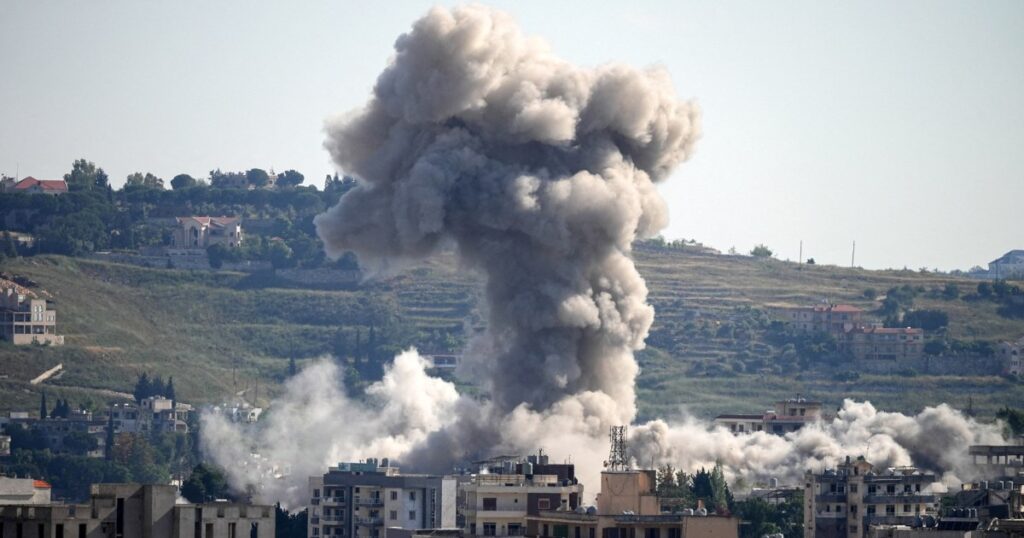
Table of Contents
The Strategic Pivot at Beaufort
Israeli forces have secured a pivotal tactical victory in southern Lebanon, capturing Beaufort Ridge in an operation that represents the deepest incursion into Lebanese territory in 26 years. The seizure of the ridge, which hosts a historic medieval castle, follows days of intense combat and signals a fundamental shift in the Israel Defense Forces’ (IDF) operational objectives in the region.
Prime Minister Benjamin Netanyahu characterized the capture not merely as a tactical win, but as a “dramatic change” in national strategy. Speaking Sunday, Netanyahu explicitly instructed his military commanders to “deepen and expand” Israel’s control over territories previously held by Hezbollah. This move effectively dismantles the previous military posture of limited incursions, replacing it with a strategy of consolidation and territorial grip.
Beyond the Litani: A New Border Reality
The crossing of the Litani River is the most significant geopolitical marker of this escalation. For decades, the river has served as a de facto boundary; however, the IDF has now pushed well beyond it, systematically destroying bridges to isolate southern Lebanon from the rest of the country. According to the IDF, these bridges were critical arteries used by Hezbollah to transport weapons and personnel.
Defense Minister Israel Katz reinforced the permanence of this move, stating that the Israeli flag is now flying over peaks that overlook the Galilee. Crucially, Katz noted that the troops who captured Beaufort will remain stationed there as part of a newly defined “security zone.” This echoes the 1982 invasion and the subsequent occupation that lasted until 2000, suggesting a return to a long-term territorial buffer strategy.
Internal Pressure and International Alarm
While the military objective is framed as security, the move has emboldened far-right elements within the Israeli cabinet. Finance Minister Bezalel Smotrich described the seizure as “correcting old national sins,” openly advocating for a permanent occupation of the region. National Security Minister Itamar Ben-Gvir has pushed for even more aggressive measures, calling for the destruction of sectors in Beirut.
This domestic push for annexation contrasts sharply with international diplomatic efforts. French Foreign Minister Jean-Noël Barrot has already requested an emergency meeting of the UN Security Council, asserting that “nothing can justify” the deepening occupation of Lebanese soil. Furthermore, UNESCO has raised alarms regarding the status of Beaufort Castle, which holds provisional protected status under international law, warning against the militarization of cultural heritage sites.
The Cost of Escalation
The human toll of this spillover conflict has reached staggering proportions. Since March 2, more than 1.2 million Lebanese have been displaced by Israeli strikes and evacuation orders. Lebanon’s health ministry reports over 3,350 deaths, while the IDF confirms 25 soldiers and two civilians killed in the southern theater. Prime Minister Nawaf Salam has condemned these actions as “collective punishment,” particularly following strikes on Tyre, Lebanon’s fourth-largest city.
From a geopolitical perspective, the move places Israel in a precarious position. Fawaz Gerges, a professor of international relations at the London School of Economics, suggests that while Israel possesses the military capability to occupy vast swaths of territory, it risks entering a “forever war.” Gerges argues that Hezbollah’s asymmetrical warfare capabilities mean that a larger security zone does not necessarily equate to greater security for northern Israeli settlements.
Diplomatic Deadlock in Doha
The military advance comes at a moment of extreme diplomatic tension. While U.S. and Iranian negotiators in Doha have reportedly agreed on the terms of a broader truce, the announcement has been delayed. Iran has maintained that any ceasefire with the United States is contingent upon a total cessation of hostilities in Lebanon. With the IDF now entrenched at Beaufort Ridge, the leverage in these negotiations has shifted, leaving the prospect of a renewed peace agreement increasingly fragile.


