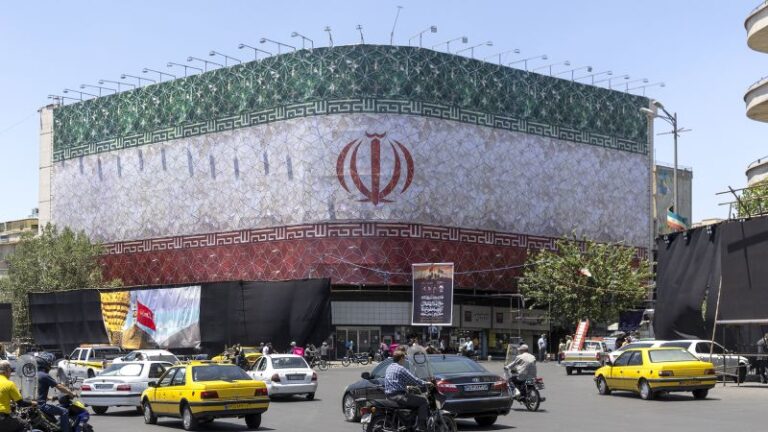
Iranian Drone Strike Hits Kuwait International Airport Amidst Escalating Gulf Conflict
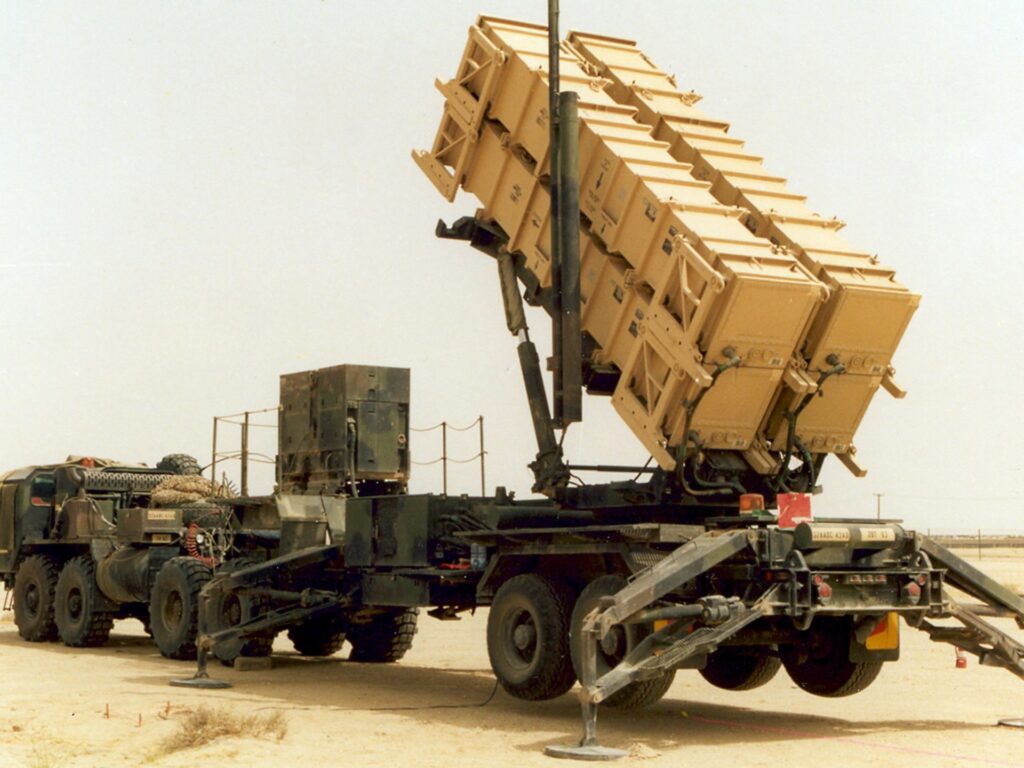
Table of Contents
Airspace Chaos in Kuwait
Kuwait’s primary gateway to the world was thrust into chaos Wednesday morning as Iranian drones and missiles targeted Kuwait International Airport. According to reports from the state news agency KUNA and the General Civil Aviation Authority, the attack struck the T1 building, causing severe structural damage and forcing an immediate suspension of flights. The strike resulted in multiple injuries and triggered a wave of emergency diversions, grounding one of the region’s most critical transit hubs.
The attack is the latest flashpoint in a rapidly deteriorating security environment in the Gulf, where a tenuous ceasefire has failed to prevent a cycle of preemptive strikes and retaliatory launches. The precision—and timing—of the airport strike suggests a calculated effort by Tehran to disrupt regional infrastructure, moving beyond purely military targets to hit critical civilian aviation nodes.
The Qeshm Island Trigger
The escalation follows a series of “self-defense” strikes conducted by the US military on Qeshm Island. US Central Command (CENTCOM) confirmed it targeted an Iranian military ground control station on the island, a strategic outpost located within the Strait of Hormuz. The US move was a direct response to what it described as a series of Iranian missile and drone attempts against US forces and civilian mariners in regional waters.
CENTCOM maintains that most Iranian efforts were unsuccessful. In a statement released Tuesday, the command asserted that several ballistic missiles fired toward Kuwait and Bahrain either fell short, broke apart mid-flight, or were intercepted by integrated air defense systems. However, the Wednesday strike on Kuwait’s T1 building contradicts the narrative of total interception, highlighting the persistent challenge of countering low-altitude drone swarms in dense urban or industrial corridors.
A Deadlocked Diplomacy
The kinetic clashes are unfolding against a backdrop of contradictory diplomatic signals. President Donald Trump took to Truth Social on Tuesday to insist that negotiations with Iran are continuous, dismissing reports of a breakdown as “fake news.” This stands in stark contrast to Iranian state media and officials in Tehran, who claim that communication with Washington has been severed for several days.
The Iranian Islamic Revolutionary Guard Corps (IRGC) has framed its recent operations as a response to “US aggression,” specifically citing the targeting of IRGC communication facilities and an Iranian oil tanker. A spokesperson for Iran’s National Security Committee underscored this shift in posture, suggesting that the United States “understands the language of missiles better than the language of diplomacy.”
The Strategic Choke Point
At the center of this conflict is the Strait of Hormuz. Since the broader US-Israel war on Iran began in late February, Tehran has effectively closed the shipping channel, strangling the flow of oil and gas. The blockade has been met with a US naval counter-blockade; Washington recently reported the forcible halting of six vessels attempting to bypass the restrictions to reach Iranian ports.
The instability is further compounded by Israeli operations in Lebanon, which Tehran warns could provide the final catalyst for the complete collapse of the April 8 ceasefire. With the Lebanese Ministry of Public Health reporting casualties and damage to hospitals in Tebnine, the regional theater is now seeing a synchronization of conflicts that threatens to draw the entire Gulf into a full-scale war, leaving the fragile agreement reached last week in total tatters.