Iranian Air Defense Claims MQ-9 Takedown as Peace Talks with US Stall
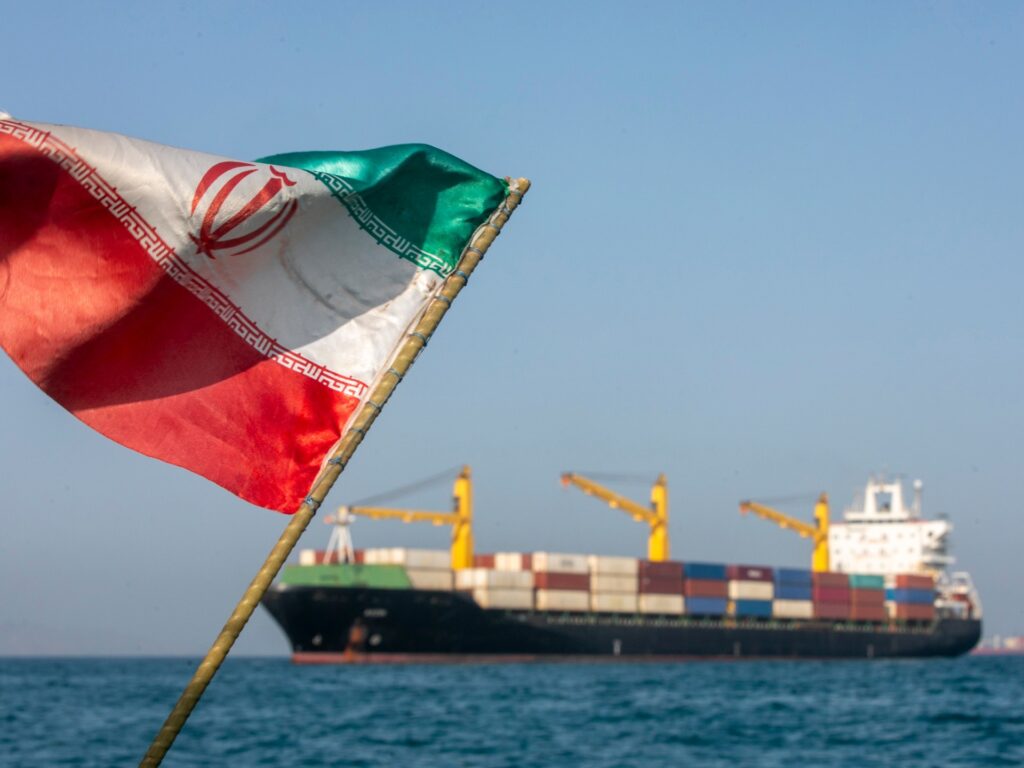
Table of Contents
Domestic Tech vs. American Intelligence
The fragile ceasefire between Tehran and Washington has hit a critical friction point following a clash in the southern province of Hormozgan. The Islamic Revolutionary Guard Corps (IRGC) has claimed the successful interception and downing of a US-made MQ-9 Reaper drone, marking a significant moment of technical posturing amid ongoing diplomatic efforts.
According to IRGC statements, the intercept was achieved using the Arash-e Kamangir, a domestically developed air defense system. Named after a figure from Persian mythology, the Arash-e Kamangir represents Iran’s strategic pivot toward indigenous missile and interception technology to counter US aerial surveillance. State television in Tehran broadcast footage of the drone’s wreckage, intended as a signal of the system’s operational viability against high-altitude, long-endurance (HALE) platforms.
The US military has offered a different narrative, characterizing its actions as “defensive.” Pentagon officials stated the strikes targeted missile launch sites and Iranian vessels allegedly attempting to deploy sea mines. This technical cat-and-mouse game in the Gulf highlights the escalating role of unmanned aerial systems (UAS) in regional deterrence.
The High Stakes of the Strait
The military skirmish comes at a precarious moment for the two nations. A delegation led by Parliament Speaker Mohammad Bagher Ghalibaf recently returned from Qatar, where they attempted to finalize a Memorandum of Understanding (MoU) to stabilize the Strait of Hormuz. Since a wave of strikes on February 28, transit through this vital artery has largely frozen, disrupting global energy markets and shipping logistics.
The proposed agreement is not merely a ceasefire but a complex financial and technical trade-off. Tehran is seeking access to frozen overseas assets—a direct challenge to the efficacy of US sanctions—and a potential roadmap for its nuclear program. However, the recent breach of the April 8 ceasefire has reinforced a narrative of “deep suspicion” within the Iranian leadership.
The volatility was further heightened on Tuesday when British maritime intelligence reported an external explosion and fuel leak on a tanker approximately 60 nautical miles east of Muscat, Oman. While Iranian officials have remained silent on the incident, the timing suggests a highly unstable maritime environment where electronic warfare and kinetic strikes are increasingly common.
Internal Friction and the Deterrence Logic
Inside Tehran, the debate over the deal is split along technical and ideological lines. Moderate elements of the government, including President Masoud Pezeshkian, have attempted to project a stance of regional stability, insisting that Iran is not pursuing nuclear weapons. Conversely, hardline military factions view any concession as a strategic failure.
Majid Mousavi, the IRGC’s aerospace commander, has been vocal on X, arguing that negotiation with the US is a “pure loss.” This sentiment is echoed by the country’s new supreme leader, Mojtaba Khamenei, who has signaled that the region will no longer serve as a shield for American bases.
From a strategic perspective, the IRGC views its maritime pressure and air defense capabilities—like the Arash-e Kamangir—as its primary bargaining chips. By demonstrating the ability to neutralize US intelligence assets, the IRGC believes it can force a deal that preserves its core deterrents rather than one based on capitulation.
A Managed Stabilization or Temporary Pause?
Analysts suggest that the current negotiations are less about a historic peace treaty and more about a “ceasefire-management mechanism.” The goal is to buy time, reopen shipping lanes in the Strait of Hormuz, and defer the more contentious nuclear questions to later rounds of diplomacy.
For the agreement to hold, Tehran requires tangible, fast-acting sanctions relief. However, the continued use of MQ-9 Reapers for surveillance and the corresponding Iranian responses suggest that both sides are prioritizing tactical intelligence and military readiness over diplomatic breakthroughs. As the IRGC continues to iterate its air defense technology, the window for a stable diplomatic resolution continues to narrow.


