Intel’s ‘Wildcat Lake’ and Project Firefly: The PC Industry’s Counteroffensive to the MacBook Neo
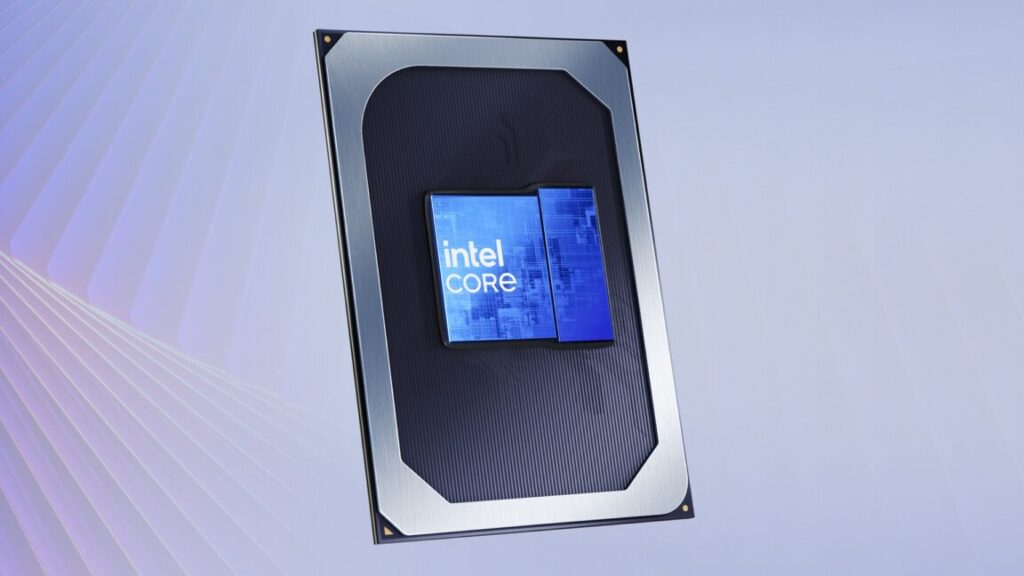
Table of Contents
The budget shockwave
For years, the entry-level laptop market has been a race to the bottom, characterized by plastic chassis, dim screens, and processors that struggle with basic multitasking. Apple disrupted this equilibrium with the MacBook Neo. By pricing a highly efficient, premium-feeling machine in the $600 to $700 range, Apple didn’t just enter the budget segment—they exposed the profound compromises that PC manufacturers have long forced upon consumers.
The industry response was initially one of denial. Asus leadership publicly expressed surprise at the Neo’s pricing while attempting to minimize its value proposition. Even Microsoft-backed studies initially attempted to pit the Neo against Windows machines that only reached price parity through deep, unsustainable discounts. However, the narrative is shifting from surprise to strategic retaliation.
Wildcat Lake: A purpose-built budget silicon
The most significant lever in this counter-strategy is Intel’s new low-end Core Series 3 processors, codenamed Wildcat Lake. In previous generations, Intel’s budget offerings were often recycled architectures—rebranded older chips that lacked power efficiency and struggled against the integrated performance of Apple’s silicon. Wildcat Lake represents a departure from this pattern.
Built on Intel’s latest 18A manufacturing process, these chips utilize the company’s newest CPU and GPU architectures. This is a direct attempt to bridge the performance-per-watt gap between x86 architecture and the Apple A18 Pro powering the MacBook Neo. By designing a chip specifically for the budget tier rather than stripping down a flagship, Intel is providing OEMs with a foundation that can actually compete on battery life and thermal management.
We are already seeing this silicon appear in the wild, primarily within the Chinese market. Lenovo is integrating Wildcat Lake into new IdeaPad Slim models, offering configurations with 16GB of RAM and 120Hz displays—specs that make the MacBook Neo’s base configuration look conservative. Asus and HP have also signaled a shift toward these chips, though they remain guarded about official US pricing.
The ‘Project Firefly’ efficiency play
Hardware is only half the battle; the other half is the cost of development. To further erode the Neo’s advantage, Intel is launching Project Firefly. This initiative aims to standardize reference designs for PC makers, effectively reducing the engineering overhead required to bring a new budget laptop to market.
By providing standardized motherboard layouts and thermal specifications, Intel allows manufacturers to bypass expensive, redundant R&D cycles. The savings from this streamlined development process can then be passed to the consumer. The first device leveraging this framework is Lenovo’s Lecoo Air 14. If Project Firefly scales, it could lead to a wave of consistent, high-quality budget laptops that don’t feel like a gamble to purchase.
This is a move reminiscent of the early 2010s when Intel pushed the ‘Ultrabook’ branding to force a shift toward thin-and-light designs. While those efforts focused on form factor, Firefly is focused on economic viability.
The price-to-performance ceiling
While the giants are strategizing, smaller players are already attempting to undercut Apple’s floor. Chuwi has announced the UniBook, a Wildcat Lake-powered machine featuring a Core 3 304 processor and a 14-inch 1200p display. With an advertised price of $449, the UniBook offers more ports and a lower entry price than the Neo.
However, a spec sheet is not a user experience. The MacBook Neo’s appeal isn’t just the price—it’s the cohesion of software, build quality, and resale value. For a device like the UniBook to be a true competitor, it must prove it can survive more than a year of daily use and provide a consistent OS experience.
The real test will come during Computex in early June. Until then, the industry is in a holding pattern, waiting to see if Intel’s new silicon and standardized designs can actually produce a Windows machine that is both affordable and pleasant to use—without the usual asterisks.