How Director Pink is Redefining African Visual Storytelling and Closing the Gender Gap in Filmmaking
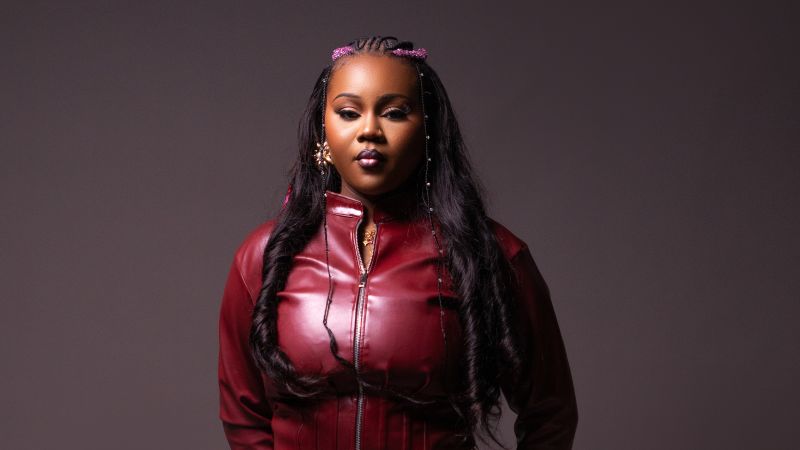
Table of Contents
The Architecture of a Visual Revolution
In the high-velocity world of Afrobeats, where rhythm and energy define the global export of Nigerian culture, the visual accompaniment is often as critical as the sonic composition. Enter Director Pink (born Praise Onyeagwalam), a 26-year-old force who has transitioned from a background in economics to becoming one of the most sought-after visual architects in Africa. Her ascent isn’t merely a story of individual success, but a case study in how technical precision and an uncompromising aesthetic can disrupt a male-dominated industry.
For those following the trajectory of African digital media, Pink’s name has become synonymous with a specific kind of polished, high-concept storytelling. From working with global icons like Wizkid and Burna Boy to directing the viral hit “Egwu,” she has moved beyond the role of a technician to become a creative director who shapes the public image of Africa’s biggest stars.
- Industry Disruption: Director Pink has broken the gender ceiling in a male-dominated field, winning the 2025 Headies Award for Best Music Video.
- Technical Range: Her portfolio spans viral Afrobeats videos (160M+ views for “Egwu”) to narrative horror shorts like “Lady Koi Koi.”
- Educational Legacy: Through Pinkline Academy, she is systematizing filmmaking education for young African creatives to reduce reliance on fragmented YouTube tutorials.
- Market Expansion: After dominating the short-form music video space, she is currently transitioning into long-form narrative cinema within the Nollywood ecosystem.
The ‘Egwu’ Phenomenon and the Weight of Visual Tribute
The intersection of art and grief is perhaps most evident in Pink’s work on “Egwu,” a collaboration between Chike and Mohbad. The project has garnered over 160 million views on YouTube, cementing its place as a cultural touchstone. However, the production was fraught with emotional complexity; Mohbad passed away shortly after the song’s recording but before the visual narrative was finalized.
In an interview with CNN, Pink revealed that her primary objective shifted from mere promotion to preservation. “When he passed, I wanted the video to be a tribute to him and to focus on unity,” she noted. This pivot demonstrates a level of emotional intelligence in directing that transcends technical skill, treating the music video not just as a marketing tool, but as a digital monument. The project’s success at the 2025 Headies Awards, where it won Best Music Video of the Year, validates this approach to storytelling.
From Economics to the London Film Academy
Pink’s path to the director’s chair was not linear. She originally studied economics at the University of Lagos, a degree that arguably provided her with the structural and analytical framework necessary to manage the business side of production. However, the pull of visual storytelling led her to the London Film Academy, where she refined the technical expertise required to compete on a global scale.
Her early experimentation with the horror genre showcased her ability to build tension and atmosphere. The short film “Lady Koi Koi,” based on a haunting urban legend of a ghost in red high-heeled shoes, served as a proof-of-concept for her ability to handle narrative pacing and sound design—skills that are often overlooked in the fast-paced world of music videos. This transition from academic economics to cinematic horror and then to Afrobeats highlights a versatile intellectual curiosity that defines her current work.
Systematizing Creativity: The Role of Pinkline Academy
One of the most significant barriers to entry for African filmmakers has been the lack of structured, affordable technical training. For years, the primary “school” for emerging creatives has been a fragmented collection of YouTube tutorials and unpaid internships. Director Pink identified this gap and responded by founding Pinkline Academy in 2023.
The academy is designed to be more than a technical bootcamp; it is a strategic intervention in the gender disparity of the industry. In a field where it is common for clients to assume a music video was directed by a man, Pink is using her platform to provide mentorship and industry access to women. By focusing on production skills and fostering women-led projects, the academy aims to shift the demographic makeup of Nigerian film crews.
The Technical Shift in Production
Beyond directing, Pink has integrated vertical integration into her business model through Pinkline Films. She has moved toward designing her own sets—a move that grants her total creative control over the visual environment. This was prominently seen in the production of Yemi Alade’s 2024 single “Tomorrow,” a project that contributed to Alade’s first solo Grammy nomination in 2025. This level of control—from the initial storyboard to the physical set construction—is rare for directors of her age and indicates a move toward a “auteur” style of filmmaking.
What This Means for the African Creative Economy
The rise of Director Pink signals a broader shift in the African creative economy. We are moving away from the era of “basic coverage” and entering an era of “high-concept production.” As Afrobeats continues to penetrate Western markets, the demand for world-class visuals that can stand alongside the work of directors like Dave Meyers or Hype Williams has skyrocketed.
For Emerging Creatives: Pink’s success proves that formal technical training (such as that provided by the London Film Academy) combined with local cultural intuition is a winning formula. It emphasizes that the “self-taught” route, while viable, can be accelerated through structured mentorship.
For the Industry: The success of Pinkline Academy suggests that the industry is finally acknowledging the untapped potential of female directors. When high-visibility projects like “Egwu” win major awards, it creates a “permission structure” for other women to enter the field and for brands to hire them.
The Pivot to Nollywood
While music videos provide immediate visibility and high-frequency output, the ultimate goal for many directors is the transition to feature films. Pink has publicly confirmed her intention to move into Nigeria’s Nollywood industry. This transition is a significant leap in complexity, moving from 3-minute rhythmic bursts to 90-minute emotional arcs.
Given her success with “Lady Koi Koi,” it is likely that Pink will bring a more stylized, genre-bending approach to Nollywood, which has traditionally been dominated by domestic dramas. Her ability to blend urban legends with high-fashion aesthetics could introduce a new visual language to Nigerian cinema, potentially bridging the gap between local storytelling and global streaming standards (like those seen on Netflix and Amazon Prime Video).
Frequently Asked Questions
Who is Director Pink?
Director Pink, born Praise Onyeagwalam, is a 26-year-old Nigerian filmmaker and the founder of Pinkline Films and Pinkline Academy. She is widely recognized as one of Africa’s most successful female music video directors, having worked with artists like Wizkid, Burna Boy, and Yemi Alade.
What is Pinkline Academy?
Pinkline Academy is an educational initiative founded in 2023 to train young African creatives in filmmaking. It specifically focuses on providing production skills, mentorship, and industry access to women to help close the gender gap in the film industry.
Which of her videos is the most successful?
Her video for “Egwu” by Chike and Mohbad is one of her most impactful works, accumulating over 160 million views on YouTube and winning the 2025 Headies Award for Best Music Video of the Year.
Did Director Pink study film?
Yes, after studying economics at the University of Lagos, she pursued professional filmmaking studies at the London Film Academy to refine her technical craft.
What is Director Pink’s future focus?
While she continues to dominate the music video space, Director Pink is currently transitioning into the Nollywood movie industry, with several long-form film projects currently in development.
Closing the Gap in Visual Literacy
The trajectory of Director Pink is a testament to the power of merging technical expertise with cultural relevance. By institutionalizing her knowledge through Pinkline Academy, she is ensuring that her impact is not limited to her own filmography but is woven into the next generation of African storytellers. As she moves into the world of feature films, the industry will be watching to see if she can translate her mastery of the three-minute pop visual into the enduring language of cinema.