Hotta Studio’s ‘Neverness to Everness’ Attempts to Blend Urban Sandbox Freedom with Supernatural RPG Mechanics
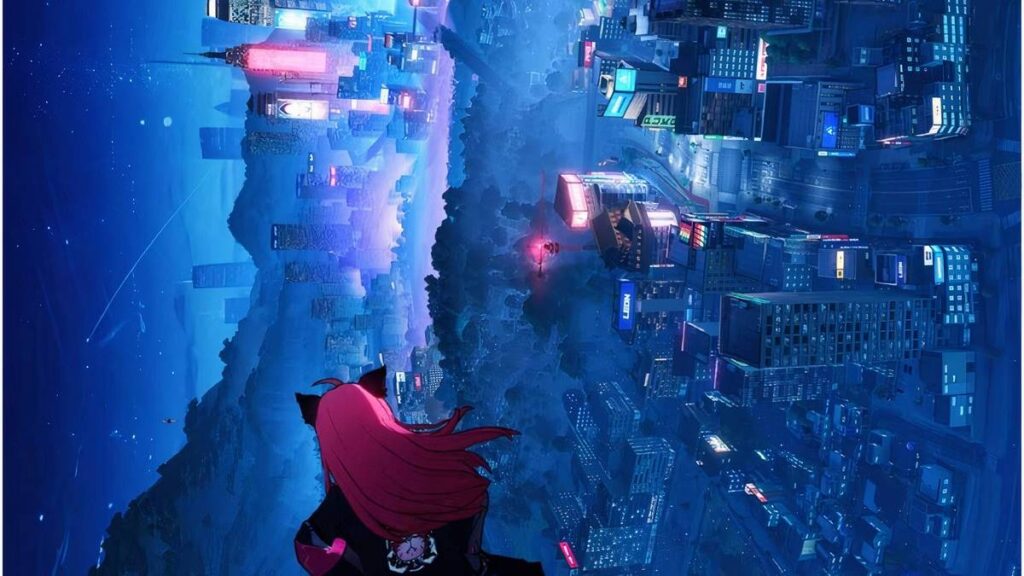
Table of Contents
A New Kind of Urban Sandbox
Hotta Studio is stepping into the crowded open-world RPG arena with Neverness to Everness (NTE), a title that seeks to merge the high-fidelity aesthetic of modern urban simulators with the chaotic elements of a supernatural thriller. Set in the sprawling, neon-soaked metropolis of Hethereau, the game positions the player as an ‘unlicensed’ Anomaly Hunter—a rogue operative in a city where the line between mundane civic life and paranormal instability has completely dissolved.
Unlike traditional fantasy RPGs that rely on vast wildernesses, NTE focuses on the density of city living. Hethereau is designed as a living entity where supernatural occurrences are treated with a strange, bureaucratic normalcy. From Esper commuters using telekinesis to tidy their clothes at train stations to the presence of a ‘Bureau of Anomaly Control,’ the game builds a world where the ‘abnormal’ is simply a part of the daily commute.
The Eibon Framework: Gameplay and Narrative
The player’s primary tether to this world is the Eibon Antique Shop, a struggling business that serves as the operational hub for the protagonist. The gameplay loop centers on accepting ‘Anomaly commissions’ from the public, effectively acting as a paranormal detective and mercenary for hire. This structure allows Hotta Studio to implement a quest system that blends episodic storytelling with broader, overarching mysteries involving the ‘Circle’ organization and cryptic prophecies.
Narratively, the game leans into a ‘slice-of-life’ supernatural vibe, contrasting high-stakes combat with whimsical side stories. For instance, missions range from investigating a pawnshop that only appears during full moons to helping a lovestruck otter navigate a romance crisis. This juxtaposition suggests that Hotta Studio is aiming for a tone similar to Persona or Zenless Zone Zero, where the charm of the city is as important as the combat mechanics.
Customization and Urban Integration
One of the most distinct technical features of Neverness to Everness is its emphasis on lifestyle simulation within the open world. Players aren’t just fighting monsters; they are managing a digital existence in Hethereau. This includes a deep level of vehicle customization, allowing players to modify cars to navigate the city’s arteries, and the ability to purchase and redecorate residential properties.
The transit system also reflects the game’s supernatural themes. While players can drive through the streets, they can also utilize ‘Ghost Trains’ to traverse Anomaly spaces, providing a fast-travel mechanic that is integrated into the lore rather than existing as a mere menu option. The social system is further expanded through ‘Bagel’ friends, a unique social networking mechanic used to build bonds with faction members and eccentric NPCs, such as TV-headed repairmen and robotic butlers.
Technical Ambition and Market Position
By integrating deep customization, a complex social web, and high-action combat, Hotta Studio is attempting to create a ‘lifestyle RPG.’ The technical challenge lies in maintaining the performance of a dense urban environment while managing the various systems—driving, housing, and supernatural combat—without the experience feeling fragmented.
As the game introduces specific character gameplay, such as the recently revealed Lacrimosa, it becomes clear that NTE is leveraging a gacha-adjacent or character-collection model to drive engagement. The focus on ‘Builds’ (such as the Esper Zero) and ‘City Stamina’ management indicates a live-service approach designed for long-term retention and monetization, aligning it with current trends in the global mobile and PC gaming markets.