Honor Targets the Mid-Range Gap With the New Pad 20 Tablet
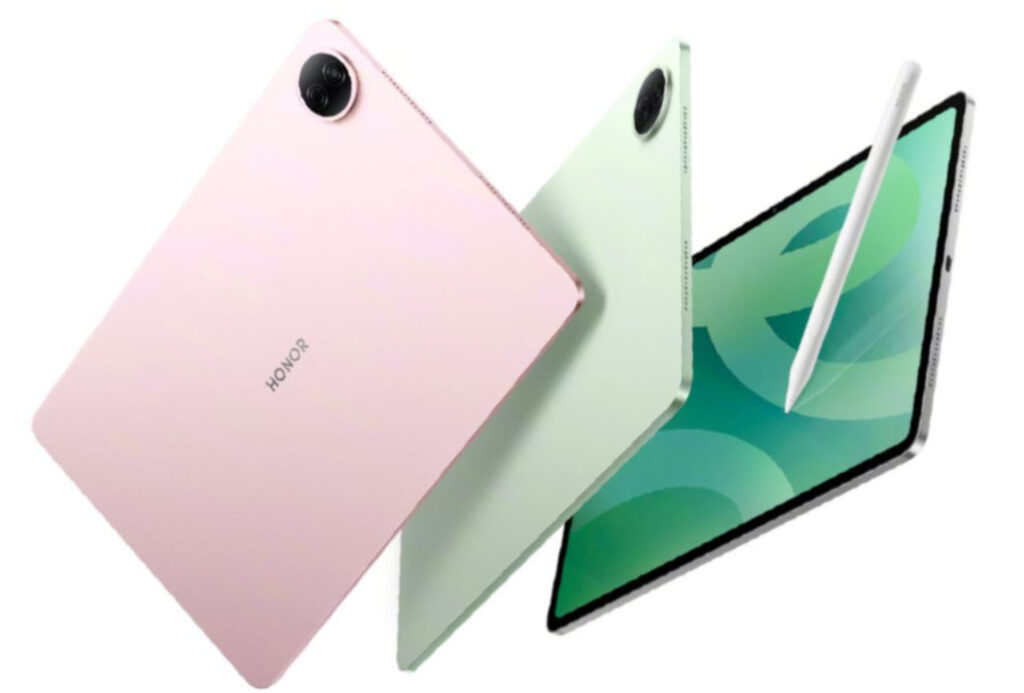
Table of Contents
A Strategic Pivot Toward Large-Screen Value
Honor has expanded its hardware portfolio with the launch of the Pad 20, a device that appears designed to bridge the gap between entry-level media tablets and high-end productivity machines. Unveiled during a broader product showcase alongside new wearables and smartphones, the Pad 20 emphasizes screen real estate and endurance over raw processing power, positioning itself as a primary device for students and casual users.
The centerpiece of the device is a 12.1-inch IPS LCD panel. While OLED remains the gold standard for high-end tablets, Honor has opted for a high-resolution LCD (3000 x 1872 pixels) that supports a 120Hz refresh rate. This ensures fluid navigation and smooth scrolling, which is critical for a device of this size. With a peak brightness of 700 nits, the display is sufficiently bright for indoor environments, though it may struggle under direct sunlight.
Interestingly, Honor is offering a “Soft Light” edition. This matte display variant is a direct response to the growing demand for tablets that reduce glare and mimic the feel of paper, catering to users who spend hours reading or sketching without the eye strain associated with traditional glossy glass.
Under the Hood: Balancing Performance and Power
Powering the Pad 20 is the Qualcomm Snapdragon 7 Gen 3. This chipset is a sensible choice for a mid-range tablet; it provides a significant leap over the budget processors typically found in this price bracket without the heat and cost of the 8-series chips. Combined with options of up to 12GB of RAM, the tablet should handle multitasking and moderate gaming with ease.
The most standout specification is the battery. At 10,100 mAh, the cell is considerably larger than the industry average for tablets in this form factor. This capacity is designed to offset the power draw of the large 120Hz screen. To mitigate the long wait times associated with such a large battery, Honor has implemented 66W fast charging via USB-C, a feature that keeps the device competitive with flagship offerings.
Software and Connectivity
The Pad 20 ships with MagicOS 16, built on Android 16. The inclusion of the latest Android version suggests Honor is pushing for a long lifecycle for the device, emphasizing multitasking features that allow users to leverage the 12.1-inch screen for split-screen productivity. On the hardware side, the device remains current with Wi-Fi 6 and Bluetooth 5.3, ensuring stable connectivity for streaming and peripheral pairing.
The camera system is utilitarian. With an 8MP rear camera and an 8MP front-facing lens, the Pad 20 isn’t meant for photography. Instead, these sensors are optimized for document scanning and video conferencing. The audio experience is more robust, featuring a six-speaker system designed to provide an immersive stereo field, making it a viable alternative to a laptop for media consumption.
Market Positioning and Pricing
Honor has opted for a tiered pricing strategy to capture different segments of the budget market. The entry-level model, featuring 6GB of RAM and 128GB of storage, starts at $310. For those needing more headroom, the 8GB/128GB variant is priced at $340, while the 8GB/256GB configuration climbs to $450.
The high-end ceiling for the Pad 20 is the 12GB RAM and 256GB storage model, retailing for $500. The specialized “Soft Light” edition carries a premium, starting at $370. At 525 grams and a thickness of just 6.29 mm, the device maintains a slim profile despite its massive battery, making it portable enough for daily commutes.
By offering a wide range of RAM and storage configurations, Honor is attempting to crowd out competitors in the $300 to $500 range, challenging the dominance of the Samsung Galaxy Tab A series and the lower-end iPad models.


