Google’s New ‘Preferred Sources’ Feature is a Quiet Admission That AI Summaries are Crowding Out Publishers
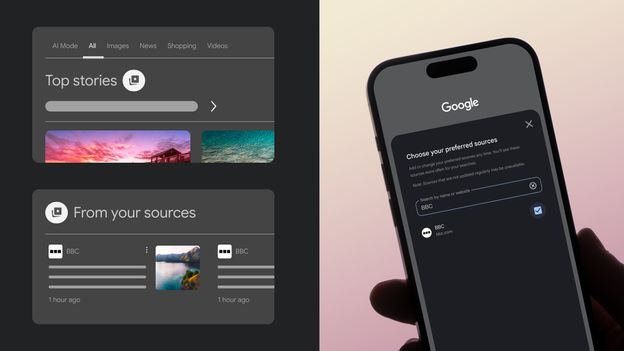
Table of Contents
A Tactical Shift in Search Personalization
For years, the relationship between Google and the world’s largest news publishers has been a tense tug-of-war over traffic. As Google integrates more generative AI into the search experience—often providing the answer directly on the results page via AI Overviews—the organic click-through rate for publishers has faced significant pressure. In a subtle but important shift, Google is now introducing a “Preferred Sources” feature, allowing users to manually dictate which publishers they trust most.
The tool effectively lets users create a curated whitelist of domains. By selecting specific outlets—such as the BBC, The New York Times, or specialized tech journals—users signal to Google’s algorithm that content from these entities should be prioritized. This isn’t just a minor UX tweak; it is a response to a growing user frustration where high-authority journalism is often buried beneath a layer of AI-generated synthesis and algorithmically boosted SEO content.
Where Preferred Sources Actually Appear
It is important to note that this doesn’t completely rewrite the Google Search experience. Your Preferred Sources won’t necessarily override the entire results page, but they will have a heightened presence within the “Top Stories” carousel. Specifically, Google has introduced a “from your sources” section nested within these results on both mobile and desktop interfaces.
When a user searches for a breaking news event, the algorithm typically weighs recency and relevance. With Preferred Sources active, the “from your sources” filter adds a layer of personal intent, pushing selected publishers to the front of the queue. For the average user, this means less time scrolling through a sea of aggregated content to find the specific editorial voice they trust.
The Frictionless Setup Process
Google has implemented two primary ways to manage these preferences. The first is through a direct settings menu where users can browse a list of major publications and toggle them on. However, the more organic method happens during the actual act of searching. When a user encounters the “Top Stories” section, a starred card icon now appears. Clicking this icon allows users to instantly mark a publisher as a preferred source without leaving the search page.
Once the preference is saved, the change is global across the user’s Google account. This suggests a move toward a more “subscription-like” feel for the open web, where users curate their own news feed within the search engine itself, rather than relying solely on the black-box logic of Google’s ranking signals.
The Broader Implications for the Web
This move comes at a critical juncture for digital publishing. With the rise of Generative Search Experiences (SGE), the “zero-click search” has become a dominant trend. When Google’s AI summarizes a news story, the incentive for the user to click through to the original source diminishes. By allowing users to explicitly request content from specific publishers, Google may be attempting to soothe the concerns of media houses who argue that AI summaries are cannibalizing their traffic.
Furthermore, this feature creates a new hierarchy of visibility. While it benefits legacy brands with high name recognition, smaller, niche publications may find it harder to break through if users are only prioritizing a handful of global giants. It transforms the search process from a discovery engine into a verification engine—where users go to Google not to find *any* answer, but to find the answer from a *specific* source.
As the web becomes increasingly saturated with AI-generated filler, the value of a “trusted brand” becomes the primary currency. Google’s Preferred Sources tool is a recognition that in an era of synthetic content, human curation is the only reliable filter left.