Google’s Fitbit Air marks the end of the smartwatch era and the rise of the AI health ecosystem
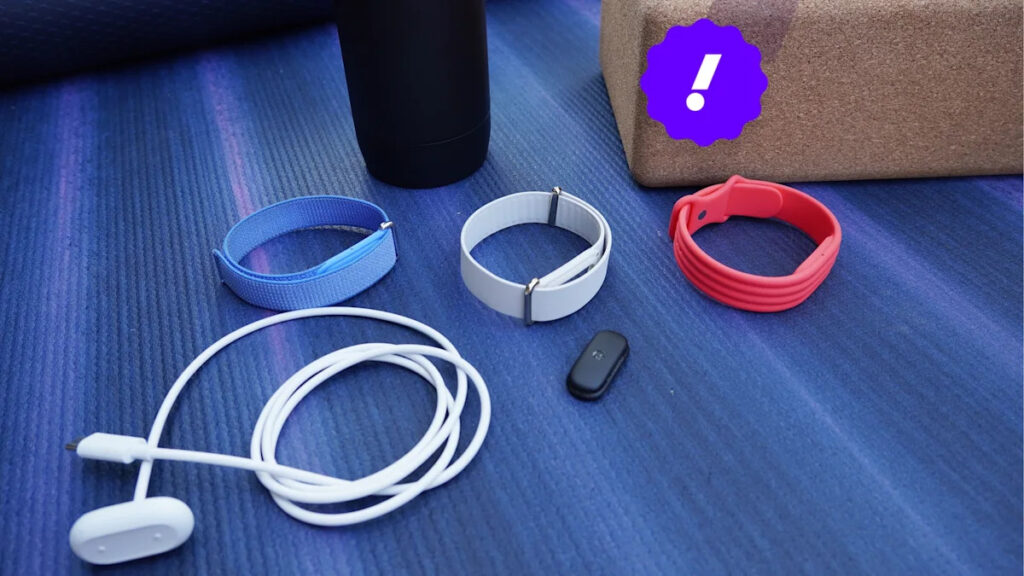
Table of Contents
The pivot from wrist-computers to ambient sensing
For years, the trajectory of wearables has been toward more screen real estate and more notifications. But with the release of the Fitbit Air, Google is betting on the opposite. After absorbing the Fitbit empire, Google has finally stopped trying to make the Fitbit smartwatch a distinct entity and instead transitioned it into a hardware peripheral for a much larger ambition: the Google Health ecosystem.
The Fitbit Air isn’t a watch. It is a screenless, lightweight sensor puck that prioritizes biometric data over digital distractions. While the lack of a display means no quick-glance time checks or text notifications, the trade-off is a level of comfort and battery endurance that traditional smartwatches struggle to match. At 8.3mm thick and weighing roughly 12 grams, the Air disappears on the wrist, solving the primary friction point for sleep tracking—the discomfort of wearing a rigid computer to bed.
Google offers three band options to suit different environments: the fabric-like Performance Loop, the silicone Active Loop, and a gold-trimmed Elevated Loop. In real-world testing, the Performance Loop provides a secure fit that remains stable during high-intensity movements, such as yoga or running, ensuring the optical sensors maintain consistent contact with the skin for accurate heart rate and heart rate variability (HRV) readings.
The AI Coach: Google’s new health nerve center
The hardware is secondary to the software. As of May 19, the legacy Fitbit app has been retired, replaced by a streamlined Google Health app. This isn’t just a rebranding; it is a structural shift toward AI-integrated wellness. The center-piece is the AI Coach, a conversational agent designed to synthesize disparate health data into actionable insights.
The AI Coach attempts to bridge the gap between raw data and human understanding. Instead of merely showing a sleep score, the system can correlate a groggy morning with specific interruptions in deep sleep stages. More ambitiously, the app allows users to log nutritional intake by simply photographing their meals or uploading PDF lab results for the AI to interpret and define.
However, this AI ambition comes with a caveat. While the three-month trial is free, the AI Coach requires a $10 monthly subscription to maintain. Furthermore, the system is still in its early stages; the AI can occasionally misinterpret data or make errors in nutritional estimation, suggesting that while the vision is comprehensive, the execution is still iterative.
Technical trade-offs and battery reality
By stripping away the screen and the cellular radio, Google has significantly extended the device’s longevity. The Fitbit Air consistently hits a seven-day battery mark, a stark contrast to the daily or bi-weekly charging cycles of the Pixel Watch series. A haptic vibration warns the user when the battery hits 20 percent, and the same motor powers a silent wake-up alarm that triggers during the user’s lightest sleep stage.
The hardware suite is standard for high-end trackers: optical sensors for heart rate, infrared for blood oxygen (SpO2), and a skin temperature monitor for fertility and illness tracking. Because it lacks onboard GPS, the Air relies on a tethered smartphone to map running or cycling routes. While this is a limitation for those seeking a phone-free workout, it is a necessary compromise for the device’s slim profile.
The Google Health app organizes this data into four intuitive tabs—Today, Fitness, Sleep, and Health—avoiding the cluttered feel of previous fitness dashboards. The ‘Start’ button provides quick access to roughly 40 activities, from martial arts to aerobics, triggering contextualized monitoring that leverages the device’s accelerometer and gyroscope.
A new philosophy in wearables
The Fitbit Air represents a strategic retreat from the ‘notification hub’ philosophy of the Apple Watch and Galaxy Watch. By removing the screen, Google is attempting to reduce the digital noise of the wrist and refocus the user on the data itself. It is a move toward ‘invisible’ technology—hardware that exists to feed a powerful AI, rather than hardware that demands your attention throughout the day.


