Google Unveils ‘Googlebook’: A Bold Bet on an AI-First Laptop Category
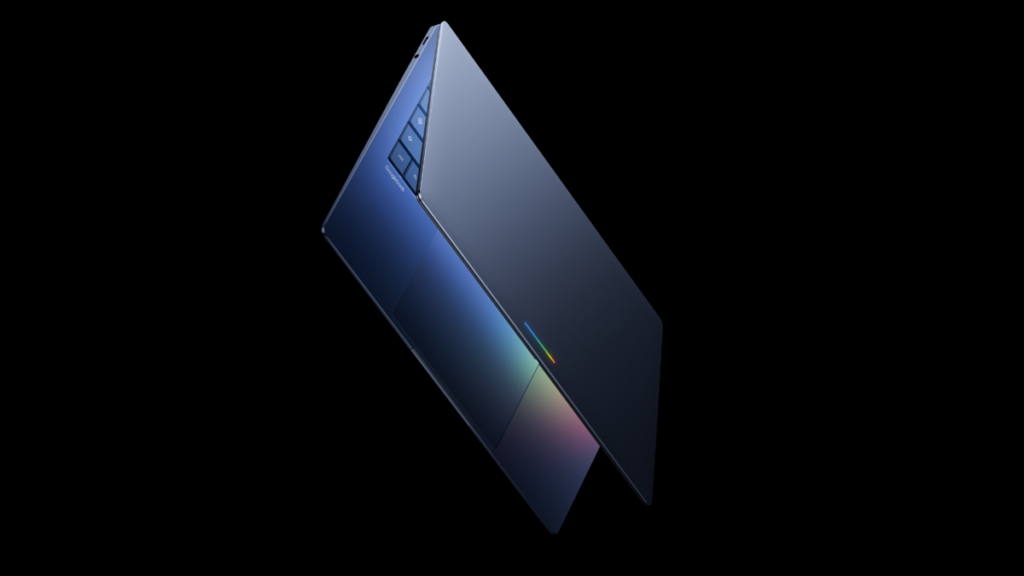
Table of Contents
A Pivot from Cloud-First to Intelligence-First
Google is attempting to redefine the laptop experience. During the Android Show: I/O Edition on Tuesday, the company unveiled the Googlebook, a new category of hardware designed to shift the computing paradigm from a traditional operating system to what Google calls an “intelligence system.”
For over a decade, Chromebooks have dominated the budget and education sectors by betting on the cloud. However, the Googlebook represents a strategic pivot. According to Alex Kuscher, Google Senior Director, the company sees the current AI inflection point as a reason to rethink the laptop from the ground up. While Chromebooks brought the browser to the forefront, the Googlebook is being positioned as the primary vehicle for Gemini, Google’s multimodal AI assistant.
The OS Mystery: Is Project Aluminum Finally Here?
One of the most significant reveals—and ambiguities—of the announcement is the software. Google explicitly stated that Googlebooks will run a “modern OS designed for Intelligence,” notably distancing the new line from the standard ChromeOS. This strongly suggests that Google is finally deploying Project Aluminum, the long-rumored convergence of Android and ChromeOS.
By merging the two, Google can offer a device that natively runs Android apps with the productivity capabilities of a desktop, all while weaving Gemini into the kernel of the OS rather than treating it as a layered app. This puts Google in direct competition with Microsoft’s Copilot+ PC initiative, as both companies race to move AI from a side-panel chatbot to a system-level orchestrator.
Contextual Computing and the ‘Magic Pointer’
The hardware is designed to facilitate a new way of interacting with data. The centerpiece of this experience is the Magic Pointer. Rather than a static cursor, the pointer uses Gemini’s computer vision to understand the context of what is on the screen. According to the company, a simple wiggle of the cursor can trigger AI actions; for example, pointing at a date in a Gmail thread could automatically trigger a Calendar invite, or selecting a photo of a room and a piece of furniture to instantly generate a composite visualization.
Beyond the cursor, the Googlebook introduces a prompt-based widget system. Users can build custom interface elements on the fly using Gemini prompts, effectively allowing the UI to adapt to the user’s specific workflow rather than relying on a fixed set of developer-defined widgets.
The Ecosystem Play: Mobile Integration
Google is leveraging its dominance in mobile to make the Googlebook more than just a standalone laptop. The new devices feature a “Quick Access” system that allows users to search and manipulate files on their Android phones directly from the laptop’s file manager. Furthermore, the hardware supports a seamless casting feature that lets users push Android apps from their phone to the laptop screen without requiring a secondary installation.
Hardware Partners and Market Positioning
While Google has not released a full specification sheet or exact pricing, the company confirmed that the first wave of Googlebooks will be manufactured by a consortium of long-time partners, including Acer, Asus, Dell, HP, and Lenovo. The devices will be identified by a signature “glowbar” lightstrip on the lid, signaling their AI-active status.
The marketing language describes the lineup as having a “Featherweight Design” with “Heavyweight Power,” suggesting a focus on high-end ultraportables. This positioning indicates that Google is targeting the premium segment. While basic Chromebooks remain affordable, high-end models have already pushed toward the $1,000 mark; the Googlebook is expected to sit comfortably above that threshold, competing with the MacBook Air and the latest Snapdragon X Elite Windows laptops.


