Google pivots from the browser to the brain with the launch of ‘Googlebook’
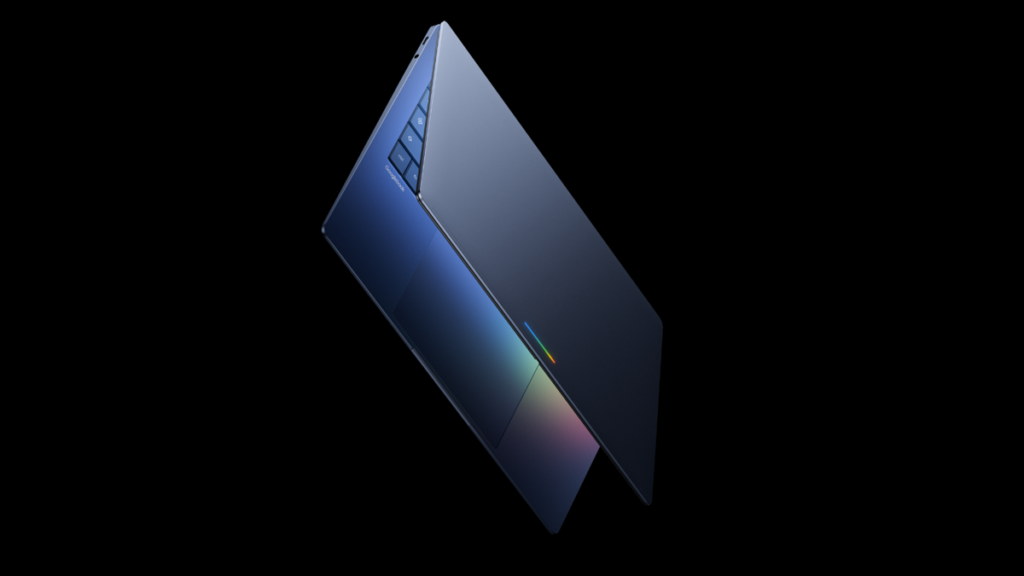
Table of Contents
A fundamental shift in the laptop paradigm
Google is attempting to redefine the laptop once again. During the Android Show: I/O Edition on Tuesday, the company unveiled “Googlebook,” a new category of hardware designed specifically to move the computing experience away from traditional operating systems and toward what Google calls an “intelligence system.”
The move represents a strategic pivot from the cloud-first philosophy that birthed the Chromebook over 15 years ago. While Chromebooks were designed to live inside a browser, Googlebooks are being engineered to live inside an AI model. According to Alex Kuscher, Google’s Senior Director, the hardware is built “from the ground up for Gemini Intelligence,” suggesting that AI is no longer a layered feature, but the core architecture of the device.
The mystery of the new OS
One of the most significant revelations from the announcement is the implication that Googlebooks will not run ChromeOS. While Google has remained elusive about the specific naming of the software, Kuscher described it as a “modern OS designed for Intelligence.”
Industry insiders believe this is the official debut of Project Aluminum—the long-rumored effort to merge the flexibility of Android with the desktop capabilities of ChromeOS. By unifying these two silos, Google can offer a native Android app ecosystem while providing a cohesive, AI-driven desktop experience that rivals Microsoft’s Copilot+ PC initiative. This convergence would solve the fragmented user experience that has plagued Chromebooks for years, where Android apps often felt like ported afterthoughts rather than native software.
Gemini-driven interaction: Magic Pointer and custom widgets
The hardware isn’t just about the OS; it’s about how the user interacts with the screen. Google is introducing a “Magic Pointer” cursor, which leverages Gemini’s multimodal capabilities to understand on-screen context in real-time. Instead of traditional clicking and dragging, a simple wiggle of the cursor allows the AI to interpret what the user is looking at.
For example, pointing at a date within a Gmail thread could trigger an immediate calendar invite without the user having to open a separate app. Similarly, the AI can perform visual synthesis, such as allowing a user to select a photo of a room and a product image of furniture to instantly generate a mockup of how that item would look in the space.
The customizability extends to the UI via a “Create your Widget” tool. Users can prompt Gemini to build functional, personalized widgets on the fly, moving away from the static grid of apps toward a dynamic interface that adapts to specific user needs.
Hardware partners and the ‘Glowbar’
While Google has not yet released a full spec sheet or a precise launch date, the first wave of devices is slated for a fall release. The company is relying on its established hardware network, with initial models coming from Acer, Asus, Dell, HP, and Lenovo.
Visually, the Googlebook will be distinguished by a “glowbar” lightstrip on the lid, a design choice that signals the device’s AI-active status. Google’s marketing describes the line as having a “Featherweight Design” with “Heavyweight Power,” positioning these as premium ultraportables. Given the emphasis on “premium craftsmanship,” it is likely these devices will occupy a higher price bracket than the average Chromebook, likely starting well above the $750–$1,000 range seen in high-end ChromeOS machines.
Closing the ecosystem gap
The Googlebook is also designed to act as the ultimate companion to a Pixel or Android device. Beyond running Android apps natively, the laptops feature a “Quick Access” system for searching phone files directly from the desktop and the ability to cast mobile apps to the larger screen without requiring a local installation.
By integrating the phone and laptop so tightly through Gemini, Google is attempting to create a seamless hardware thread that Microsoft and Apple have long dominated. The success of the Googlebook will depend on whether users are willing to trade the familiarity of a traditional file-and-folder OS for an AI-driven intelligence system.


