Google Pivot: Meet the ‘Googlebook,’ a New Hardware Category Built Around Gemini
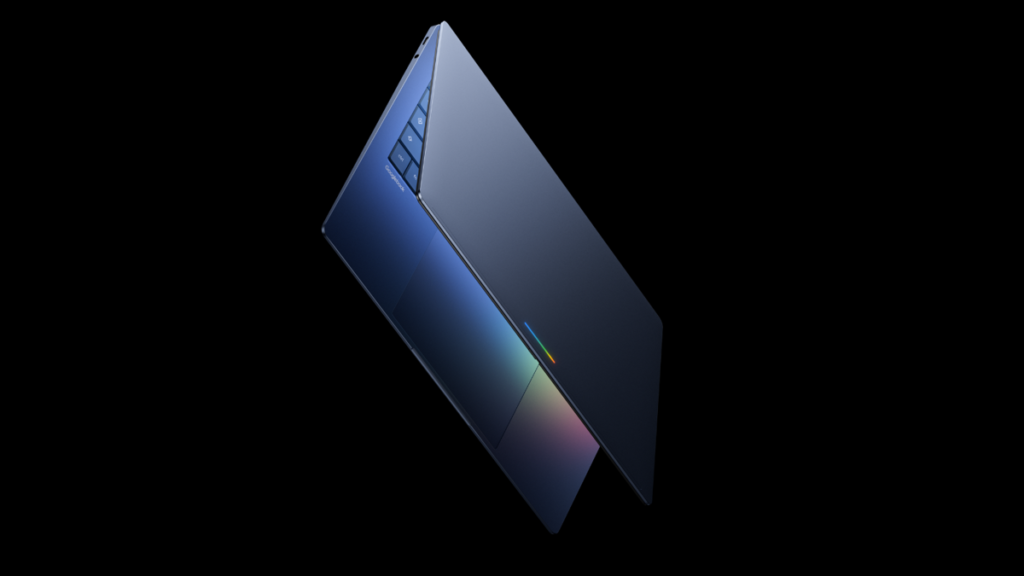
Table of Contents
A Departure from the Chromebook Era
For over a decade, the Chromebook has been Google’s answer to the portable computing market—a lean, cloud-centric machine that prioritized browser efficiency over local power. But at the Android Show: I/O Edition on Tuesday, Google signaled that the cloud-first era is evolving into the intelligence-first era with the unveiling of the Googlebook.
The Googlebook is not merely a spec bump for existing laptops; it is a new hardware category designed from the ground up to serve as a physical vessel for Gemini, Google’s multimodal AI. While the move mirrors Microsoft’s aggressive push into the Copilot+ PC market, Google’s approach suggests a deeper integration of software and hardware than we’ve seen in the ChromeOS ecosystem to date.
“Over 15 years ago, we introduced the Chromebook, a laptop built for a cloud-first world,” explained Google Senior Director Alex Kuscher in an official blog post. “Now, as computing shifts from an operating system to an intelligence system, we see an opportunity to rethink laptops again.”
The ‘Project Aluminum’ Mystery
The most intriguing aspect of the Googlebook announcement is the ambiguity surrounding the operating system. While Google confirmed that these machines will run Android apps, they pointedly avoided mentioning ChromeOS. Instead, Kuscher described a “modern OS that’s designed for Intelligence.”
This phrasing strongly suggests that Google is finally deploying Project Aluminum—the long-rumored initiative to merge the ChromeOS and Android stacks into a single, unified experience. By collapsing the two, Google can offer the full power of the Android app ecosystem with the productivity layout of a desktop, all while baking Gemini’s LLM capabilities into the kernel level of the OS rather than treating AI as a browser-based plugin.
Hardware Features and ‘Magic Pointer’
Google is leaning heavily into the concept of “contextual computing.” The standout feature is the Magic Pointer, a cursor that utilizes Gemini to interpret what is happening on the screen in real-time. Unlike a standard mouse, the Magic Pointer is designed to act on content through simple gestures. According to Google, wiggling the cursor over a date in an email could automatically trigger a calendar invite, or selecting a furniture item and a photo of a room could allow the AI to visually composite the two instantly.
Beyond the cursor, Googlebook introduces a prompt-based widget system. Users can essentially “code” their own desktop utilities by describing them to Gemini, moving away from the static grid of apps that has defined desktop computing for decades.
Ecosystem Synergy and Market Positioning
The Googlebook is positioned as the centerpiece of a tighter Android-laptop relationship. New “Quick Access” features allow users to search and manipulate files on their paired Android phone directly from the laptop’s interface. Additionally, Google is introducing a casting feature that allows mobile apps to be projected onto the Googlebook without requiring a separate installation, effectively turning the laptop into a larger monitor for the phone.
On the hardware side, Google is relying on a consortium of established partners. The first wave of devices will be manufactured by Acer, Asus, Dell, HP, and Lenovo. While specific technical specifications remain under wraps, the press materials describe a “Featherweight Design with Heavyweight Power,” implying these will be premium ultraportables. A distinct “glowbar” lightstrip on the lids will serve as the primary visual identifier for the brand.
Pricing is expected to sit well above the entry-level Chromebook tier. With high-end Chromebooks already pushing the $1,000 mark, the Googlebook will likely target the professional and enthusiast segment, competing directly with the MacBook Air and the latest Snapdragon-powered Windows laptops. The first units are slated for a fall release.


